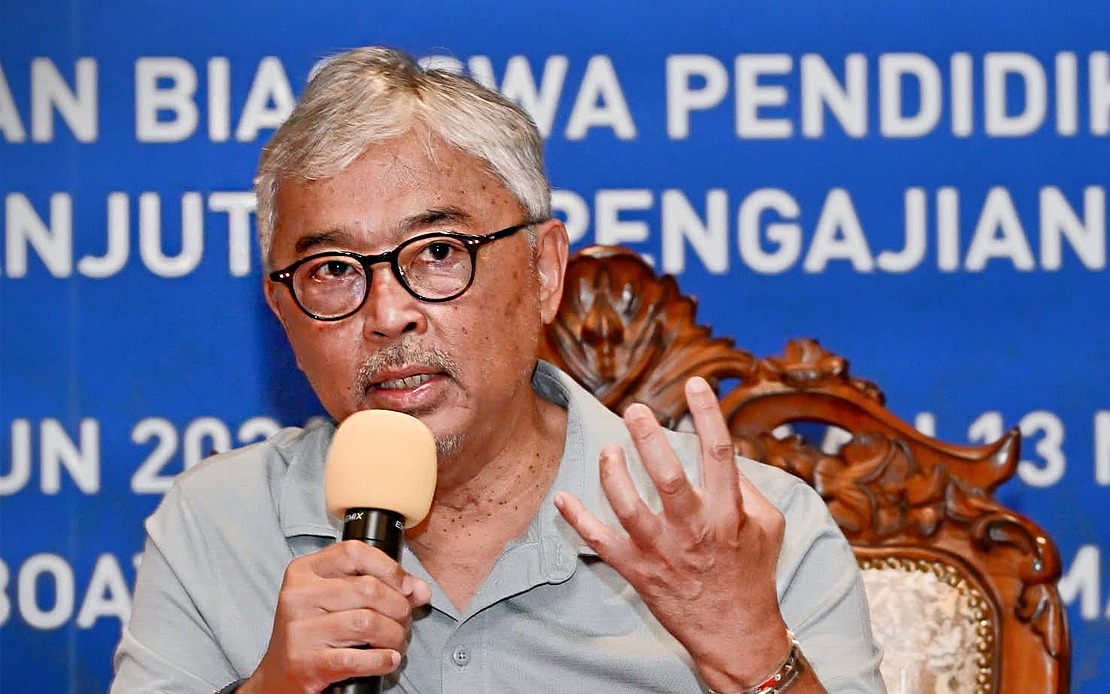
The Sultan of Pahang, Al-Sultan Abdullah Ri'ayatuddin Al-Mustafa Billah Shah, has made a direct appeal to universities throughout his state to establish scholarship programmes targeting students from Tioman Island, emphasising that geographic isolation should not become a barrier to educational advancement. Speaking through the official Pahang Sultanate Facebook page, the Sultan positioned the initiative as a matter of state responsibility, arguing that despite their island location, Tioman residents deserve equitable access to higher education opportunities comparable to their mainland counterparts.
The Sultan's intervention follows Institut Jantung Negara University College's (IJNUC) decision to award scholarships to two academically gifted students from Tioman Island. The royal decree specifically highlighted IJNUC's initiative as a model that should inspire other Pahang-based institutions to adopt similar programmes. By publicly endorsing IJNUC's approach, the Sultan effectively raised institutional expectations across the state's higher education landscape, transforming a single corporate initiative into a potential policy direction.
The Sultan consented to personally present scholarships to the two Tioman recipients at a formal ceremony at Institut Jantung Negara (IJN), underscoring the significance he places on recognising educational merit from underrepresented communities. His personal involvement signals that scholarship awards to rural and island students now carry royal endorsement, potentially elevating their status within institutional priority-setting. The decision to grace the event reflects broader royal interest in addressing educational inequality within Pahang's demography.
Beyond the immediate scholarship announcement, the Sultan's remarks reveal strategic thinking about human capital development in rural Malaysia. By framing the scholarship initiative within the context of producing quality human resources, Al-Sultan Abdullah connected educational access to broader state development objectives. This perspective aligns with Malaysia's ongoing challenges in retaining talent within regional areas and ensuring that opportunities for advancement are distributed geographically equitable.
The Sultan directed the scholarship recipients to view their selection as both opportunity and responsibility. His instruction that "failure is not an option" and his exhortation that the students should become benchmarks for their peers reflects expectations that success stories from Tioman could inspire further educational aspirations across the island community. This psychological framing transforms individual achievement into collective community development, creating implicit pressure for the recipients to succeed while simultaneously positioning them as role models.
Additional guidance emphasising discipline, time management, and sustained focus on studies suggests the Sultan recognises that scholarship awards alone are insufficient without corresponding commitment from recipients. By articulating these expectations explicitly, the royal decree implicitly addresses potential concerns that students from less formal educational environments might struggle with the rigours of tertiary study. The emphasis on maintaining discipline particularly resonates given Malaysia's ongoing discourse about student welfare and academic performance standards.
The Sultan's commendation of IJN extended beyond the scholarship programme to encompass the institution's broader corporate social responsibility footprint across Pahang. He specifically praised IJN's consistency in implementing community-focused initiatives in rural areas, including the village of Kampung Bantal. This recognition suggests the Sultan views corporate philanthropy as complementary to government provision, implicitly encouraging other institutions to follow IJN's integrated approach combining medical excellence with community service.
Institut Jantung Negara's regional and international standing for cardiac treatment featured prominently in the Sultan's remarks, reflecting awareness that Pahang's partnership with internationally recognised medical institutions enhances the state's profile. By connecting IJN's scholarships to its broader excellence in healthcare provision, the Sultan positioned educational investment as consistent with institutional mission. This framing may influence how other universities consider their scholarship obligations relative to their core specialisations.
The Sultan's personal connection to IJN, referenced through the phrase "they not only look after my health," established a relationship foundation that legitimises his endorsement. This disclosure of institutional service to the royal household creates implicit accountability, demonstrating that scholarship initiatives emerge from institutions already embedded in mutually beneficial relationships with state leadership. For other universities, the implicit message suggests that sustained engagement with royal priorities may enhance institutional standing and support.
The geographical emphasis on "remote areas" in discussing scholarship distribution reflects Pahang's substantial rural and island population. Tioman Island, located off the east coast, represents a particularly isolated community where educational aspiration may face structural barriers including limited local tertiary provision, higher costs associated with mainland study, and reduced exposure to university pathways. By targeting Tioman specifically, the Sultan acknowledged these particular disadvantages while avoiding the broader framing that might suggest systemic neglect of rural education.
For Malaysian universities more broadly, the Sultan's intervention carries implications beyond Pahang's borders. The explicit royal endorsement of scholarship targeting rural and island communities potentially influences institutional priority-setting across the country. Other state rulers may view Pahang's approach as establishing expectations for their own territories, creating competitive pressure for universities to demonstrate comparable commitment to inclusive educational access.
The sustainability of expanded scholarship programming remains uncertain, however. The Sultan's appeal relies on voluntary institutional response rather than mandated provision. Whether Pahang universities will establish systematic scholarship reserves for Tioman and other rural students, or whether IJNUC's initiative remains somewhat isolated, will determine whether this intervention produces structural change. The framing as an appeal rather than a directive suggests the Sultan respects institutional autonomy while clearly signalling preferred outcomes.
Looking forward, the success of the two Tioman scholarship recipients will likely influence institutional decision-making regarding expansion. If the students demonstrate exceptional academic achievement and positive campus integration, their success will validate the Sultan's confidence in rural talent and may accelerate adoption of similar programmes. Conversely, if the recipients struggle academically, the foundation for broader scholarship expansion may weaken, illustrating how individual student outcomes carry implications beyond personal achievement.

