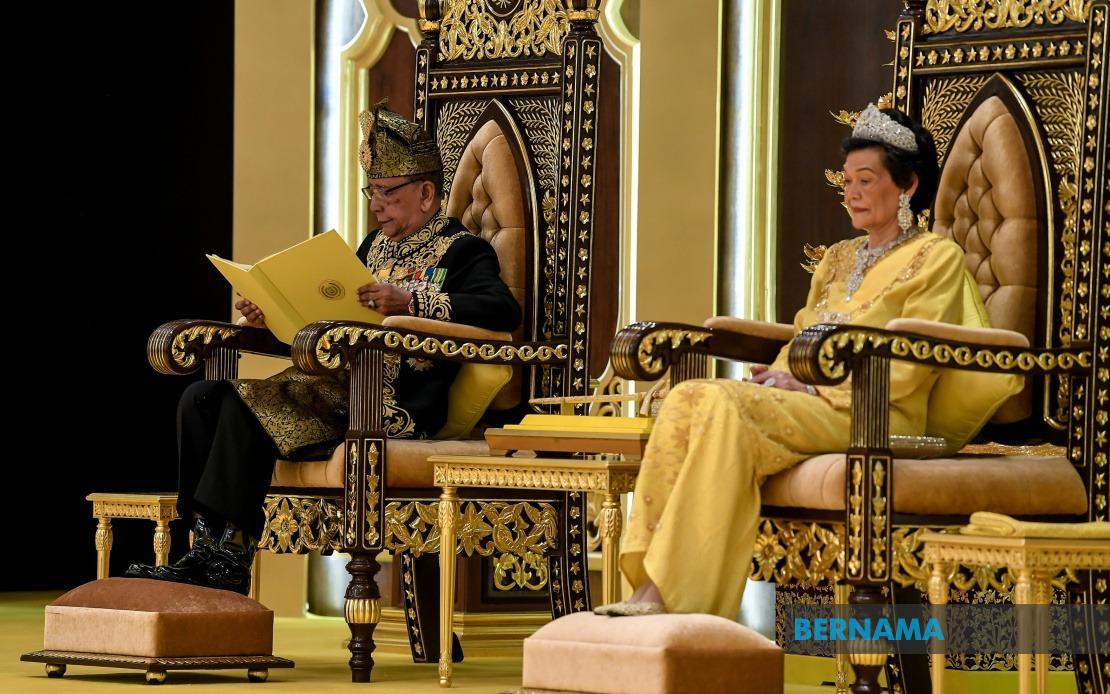
The Sultan of Kedah, Al Aminul Karim Sultan Sallehuddin Sultan Badlishah, has articulated a clear vision for Langkawi's future development that prioritises authenticity over imitation. Speaking at an investiture ceremony in Alor Setar to mark his 84th birthday, His Royal Highness cautioned against the island pursuing a development path that mirrors other established regional destinations such as Phuket in Thailand or Bali in Indonesia. Instead, the monarch emphasised that Langkawi possesses inherent strengths that should form the foundation of its tourism strategy and economic positioning within Malaysia and Southeast Asia.
The Sultan's remarks underscore a growing realisation among regional policymakers that sustainable competitive advantage in tourism stems from differentiation rather than replication. Langkawi, designated as a duty-free island and possessing UNESCO Geopark status, commands natural advantages that competitors cannot replicate. His Royal Highness framed these assets—encompassing pristine ecosystems, geological significance, and cultural heritage—as the wellspring of the island's prosperity, suggesting that overexploitation or aesthetic homogenisation would undermine the very characteristics that attract discerning travellers seeking experiences beyond conventional resort culture.
Recognising Langkawi's strategic importance to Kedah's economy and Malaysia's broader tourism narrative, the Sultan positioned the island as a critical economic engine for the state. This characterisation reflects the reality that Langkawi generates substantial revenue through visitor arrivals, hospitality infrastructure, retail activities, and ancillary services. The designation as a premier tourist destination carries implications for employment, foreign exchange earnings, and regional development. Yet the Sultan's framing suggests concern that rapid, undirected commercialisation could erode the authentic qualities that justify premium positioning relative to mass-market alternatives.
Central to the Sultan's vision is the principle of sustainable development that balances economic ambitions with preservation of natural and cultural assets. This approach aligns with contemporary international best practices in destination management, where communities and policymakers increasingly recognise that short-term extraction gains conflict with long-term value creation. By emphasising conservation of Langkawi's treasures, His Royal Highness advocated for a development model that maintains the island's appeal across generational timeframes, protecting stakeholder interests in hospitality, agriculture, fishing, and other sectors dependent on environmental quality.
The Sultan further signalled his intolerance for actors who might compromise Langkawi's reputation through opportunistic behaviour or damaging public statements. This warning carries particular weight given Langkawi's vulnerability to reputation-based disruptions affecting tourist confidence. Whether addressing internal conflicts over development priorities, environmental disputes, or community grievances, the message conveys that protecting the island's brand integrity is non-negotiable. For Malaysian tourism operators and regional investors, this pronouncement establishes clear expectations regarding responsible conduct and stakeholder accountability.
Beyond tourism strategy, the Sultan expressed substantial frustration regarding delays in implementing the Sungai Kedah and Anak Bukit flood mitigation plan. This infrastructure project represents a critical intervention intended to reduce recurring inundation affecting Kedah residents, whose livelihoods and safety depend on adequate flood management. The incompleteness of this initiative highlights a persistent challenge across Malaysia's development agenda: the gap between project initiation and full implementation. Vulnerable communities subject to annual flooding face compounding hardship when mitigation infrastructure remains unfinished, undermining confidence in state capacity to deliver essential services.
The Sultan's emphasis on flood mitigation reveals the interconnection between tourism development and foundational infrastructure. While Langkawi attracts international visitors, residents of flood-prone areas within Kedah—both on and off the island—require basic protections that enable stable living conditions. The apparent prioritisation of tourism infrastructure over essential public works raises questions about resource allocation and development equity within the state. His Royal Highness's intervention suggests recognition that sustainable prosperity requires addressing citizen welfare comprehensively, not selectively advancing sectors that generate tourism revenue.
The specific reference to prolonged delays in the Sungai Kedah/Anak Bukit flood mitigation plan underscores implementation challenges that plague Malaysian infrastructure projects broadly. Whether delays stem from budgetary constraints, technical complications, environmental assessments, or bureaucratic coordination failures, the outcome remains consistent: communities suffer repeated damage and displacement. The Sultan's call for immediate action reflected mounting impatience with administrative inertia, signalling that further procrastination would constitute unacceptable governance failure.
For regional observers, the Sultan's pronouncements offer insights into leadership priorities within one of Malaysia's key states. By coupling aspirational development discourse regarding Langkawi's tourism potential with concrete demands for completion of flood mitigation works, His Royal Highness demonstrated commitment to balanced governance that honours both economic advancement and citizen welfare. This positioning carries implications for policy coordination between state and federal authorities responsible for infrastructure funding and implementation.
The gathering of senior members of Kedah's royal household at the investiture ceremony—including the Sultanah, Raja Muda, and various members of the extended royal family—reinforced the ceremonial weight of the occasion and the centrality of these issues to state governance agendas. Royal patronage of development priorities carries symbolic and practical significance for implementation momentum and stakeholder alignment throughout the state apparatus.
Moving forward, the Sultan's vision for Langkawi establishes a framework that Malaysian tourism officials and Kedah state administrators must operationalise. Rather than pursuing generic destination development mirroring competitors, policymakers should cultivate Langkawi's distinctive positioning around environmental stewardship, cultural authenticity, and geological heritage. Simultaneously, completing delayed infrastructure projects essential for citizen welfare demonstrates that development benefits extend beyond visitor-facing amenities to fundamental quality-of-life improvements for local populations. This integrated approach—combining aspirational tourism strategy with tangible commitment to public welfare—represents the governance standard His Royal Highness articulated for Kedah's advancement.

