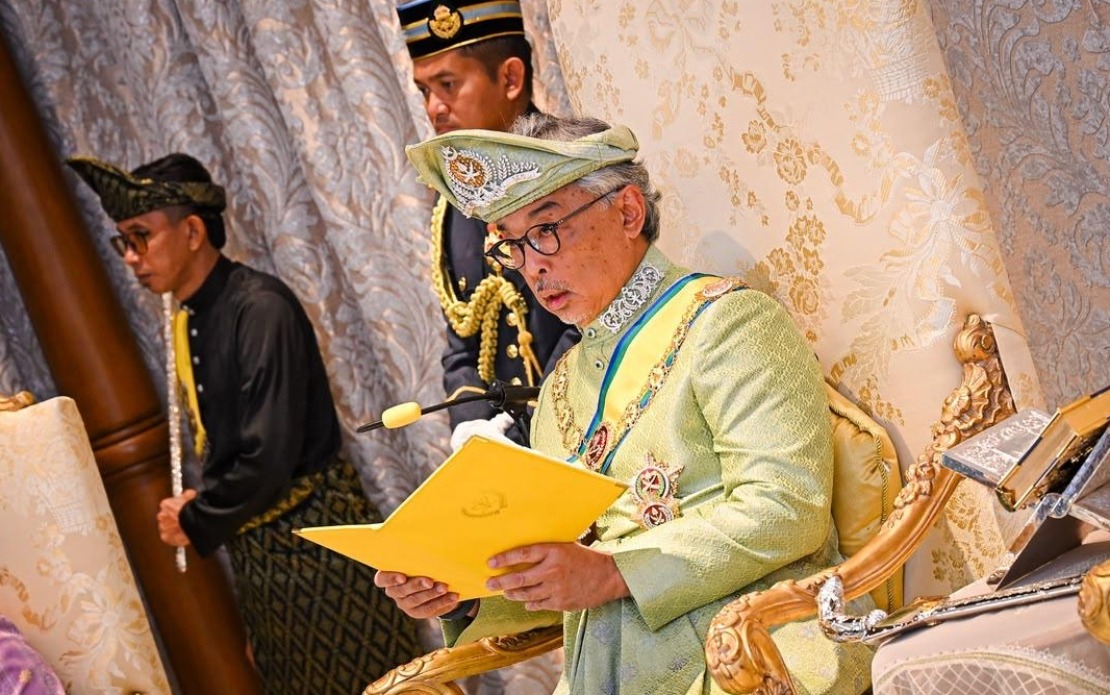
The Sultan of Pahang, Al-Sultan Abdullah Ri'ayatuddin Al-Mustafa Billah Shah, has issued a passionate plea for Malaysians to cease illegal street racing, framing the dangerous practice as a growing social menace that threatens innocent road users and the families of reckless drivers. Speaking during an investiture ceremony marking his 67th birthday in Kuantan on August 1, the Ruler expressed deep concern about the persistence of underground racing culture despite well-documented risks and fatalities associated with the activity.
The Pahang Ruler's intervention reflects mounting frustration with street racing's continued prevalence across Malaysian highways and urban streets, despite previous government campaigns and enforcement efforts. His remarks underscore a fundamental disconnect between the real-world consequences of high-speed racing and the romanticised perception many young drivers hold of the activity. Al-Sultan Abdullah emphasised that families anxiously await the safe return of their loved ones each day, a poignant reminder that reckless behaviour extracts a human cost beyond the individual driver.
Particular emphasis was placed on the role of social media in perpetuating and celebrating illegal street racing culture. The Ruler pointed out that dangerous driving stunts are deliberately recorded and shared online, leveraging digital platforms to accumulate likes and comments from followers who view such content as entertainment. This viral amplification of dangerous behaviour creates perverse incentives for younger drivers to engage in increasingly risky manoeuvres to gain recognition and status among their peer groups. The contrast drawn by Al-Sultan Abdullah between the applause drivers receive in online comments and the grief that befalls families who lose loved ones to racing accidents illustrates the devastating human toll masked by digital validation.
The investiture ceremony, attended by the Tengku Ampuan of Pahang, Tunku Azizah Aminah Maimunah Iskandariah, and Tengku Mahkota of Pahang, Tengku Hassanal Ibrahim Alam Shah, provided an official platform for the Ruler to address two separate but equally pressing security concerns facing the state. The timing of these statements during a formal state occasion signals the seriousness with which Pahang's leadership views both public safety on roads and national security matters related to uncontrolled immigration and unlicensed settlements.
Moving beyond street racing, the Ruler also targeted the growing presence of undocumented foreign nationals in Pahang, particularly Rohingya refugees who have established informal settlements across the state. Al-Sultan Abdullah's directive to demolish illegal structures built on government land represents a hardline approach to addressing what state authorities perceive as an unsustainable demographic and security challenge. The order effectively instructs local authorities to prioritise physical removal of these settlements rather than pursuing longer-term engagement or integration strategies.
The Ruler's characterisation of the situation reflects broader anxieties within Malaysian society regarding refugee populations and unauthorised immigration, concerns that have gained traction in recent years as informal settlements have become more visible in urban and peri-urban areas. Pahang, which borders Thailand and sits along major maritime routes, has become a focal point for both land and sea-based migration routes into Malaysia. The state's geography and relative proximity to conflict zones in Myanmar have combined to make it a destination for Rohingya communities fleeing persecution.
Al-Sultan Abdullah's call for enhanced border control enforcement and expedited repatriation processes reflects a preventative security philosophy that prioritises stopping unauthorised entry before individuals establish communities within Malaysian territory. The Ruler articulated a clear argument that managing the problem at entry points—particularly along maritime borders—proves more cost-effective and operationally efficient than attempting to dismantle settled communities after they have established networks and social structures. This preventative approach contrasts with reactive enforcement that occurs only after illegal settlements become entrenched.
The emphasis on tightening entry procedures for foreign nationals signals the Ruler's expectation that the federal government should implement more stringent documentation requirements and enhanced screening at ports of entry, border crossings, and airports. Such measures would typically involve closer coordination between maritime authorities, immigration officials, and state-level enforcement agencies to identify and intercept unauthorised arrivals. The Ruler's statement essentially demands that national-level agencies demonstrate greater vigilance and responsiveness to what Pahang considers a pressing internal security issue.
For Malaysian policymakers, the dual focus of the Ruler's remarks addresses two seemingly disconnected but interconnected challenges to public safety and social stability. Street racing represents an internal threat driven by cultural attitudes and peer dynamics among Malaysian youth, while the refugee issue presents an external security dimension requiring international cooperation and bilateral agreements with neighbouring countries and UNHCR-coordinated humanitarian processes. Both issues, however, share a common requirement for coordinated enforcement, clear policy directives, and sustained commitment from multiple government agencies.
The Ruler's intervention adds considerable weight to calls for stronger action on both fronts, as statements from reigning monarchs carry significant cultural and political resonance within Malaysian governance structures. Royal pronouncements typically catalyse bureaucratic movement and legislative attention, signalling to federal and state officials that these matters demand priority handling. The investiture ceremony context also means these remarks reach a broad audience including senior government officials, military leadership, and prominent citizens who shape implementation of policy initiatives.
Regional observers may view these statements as indicators of growing pressure within Malaysia's governance hierarchy for more aggressive enforcement of immigration and border security policies. The Ruler's language suggests frustration with the pace of federal responses to local concerns, implying that state-level leaders feel insufficient progress has been made despite previous requests for intervention. This dynamic reflects ongoing tensions between federal and state authorities regarding immigration management and resource allocation for border security operations.
For ordinary Malaysians, particularly those living in Pahang or regularly using highways in the state, these remarks reinforce official messaging about the dangers of reckless driving and the state's commitment to improving road safety. The Ruler's personal appeal carries moral authority that government safety campaigns sometimes lack, potentially influencing public perception of illegal street racing as not merely unlawful but fundamentally contrary to values of family responsibility and social respect. Similarly, residents expressing concerns about unauthorised settlements may view the Ruler's directive as validating their anxieties and signalling official acknowledgement of the issue.

