South Korean authorities have moved to prosecute a woman in her 30s accused of orchestrating one of the country's most sophisticated ticket-scalping operations targeting the nation's massive K-pop industry. The Seoul Metropolitan Police Agency announced on August 26 that the suspect allegedly deployed automated software to purchase some 2,600 concert tickets across multiple performances by popular K-pop artists, systematically reselling them at premium prices over a period spanning more than three years. The scheme represents a significant test of law enforcement's ability to combat technological circumvention of consumer protections in an industry worth billions to the South Korean economy.
The mechanics of the operation reveal how readily available technology can undermine ticketing systems designed to ensure fair access. Rather than attempting to manually book tickets like ordinary fans, the woman employed a macro programme—software that automates repetitive computer tasks—to complete purchases at speeds impossible for human users. By cycling through multiple accounts registered to family members and acquaintances, she systematically bypassed the standard purchase restrictions that most K-pop venues impose to prevent hoarding. South Korea's typical concert ticketing framework limits individual buyers to one or two tickets per performance, a measure intended to democratise access and prevent exactly the kind of bulk acquisition the accused undertook.
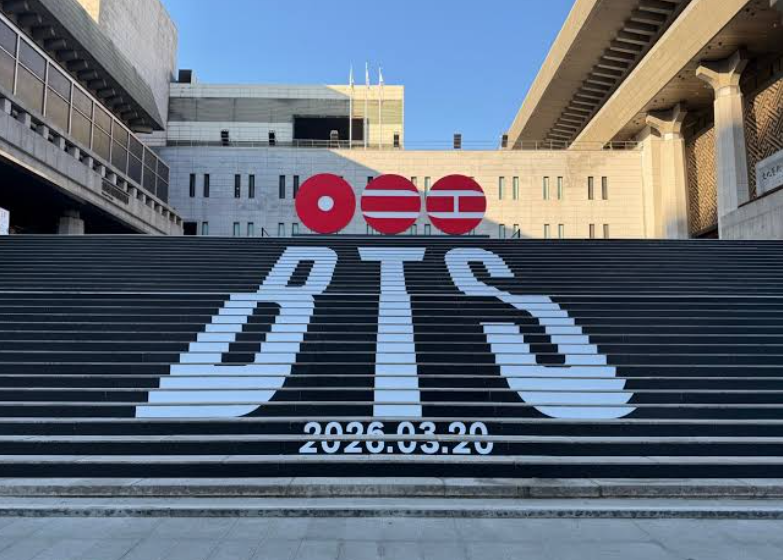
Investigators determined the scalping spree operated continuously from April 2023 through March 2026, capturing tickets to performances by some of the region's most commercially dominant acts. The case gained particular prominence when authorities identified nine tickets to BTS' Gwanghwamun concert—one of 2026's most anticipated K-pop events—among the suspect's holdings. Police had heightened monitoring of that specific ticketing period in February, when the concert's ticket sales window opened to exceptional demand. The intervention prevented what authorities estimated would have become another profitable resale, as premium BTS tickets routinely command multiples of their face value on secondary markets.
The financial scale of the operation underscores both the value of premium concert access and the profit incentives driving ticket scalping. Prosecutors allege the woman generated approximately 442 million won—roughly US$319,000—through resales across her ticket portfolio. That calculation reflects the substantial markups perpetrators can achieve; a ticket originally priced at perhaps 50,000 to 100,000 won might resell for several times that amount when scarcity and artist popularity align. The discovery prompted authorities to pursue a pre-indictment seizure and preservation order targeting those proceeds, preventing the suspect from moving assets before trial proceedings commence.
This case does not represent an isolated incident within South Korea's entertainment enforcement landscape. Concurrent investigations uncovered a second ticket-scalping operation in Ulsan involving a man in his 30s who developed his own macro programme targeting over 1,700 K-pop concert tickets. Between November 2024 and October 2025, this suspect allegedly resold tickets at markups ranging from three to thirteen times their original prices, generating approximately 420 million won in profits. The parallel cases suggest organised ticket scalping has evolved into a systematic criminal enterprise rather than opportunistic individual misconduct, with perpetrators investing time and technical expertise to maximise returns.
The timing of these prosecutions carries particular significance given imminent changes to South Korea's legal framework. Beginning August 28—just two days after the police announcement—revised provisions of the Public Performance Act and the National Sports Promotion Act establish substantially harsher penalties for illegal ticket resales. The new regime authorises administrative fines of up to fifty times the value of illegally resold tickets, a dramatic escalation from previous enforcement mechanisms. For the Ulsan suspect's 420 million won in profits, such penalties could theoretically reach 21 billion won, fundamentally altering the risk-reward calculus for would-be scalpers.
These cases illuminate a broader challenge facing South Korean consumer protection authorities as digital technology becomes increasingly sophisticated. The rise of readily available automation software, combined with the astronomical demand for top-tier K-pop concerts, has created an attractive target for criminal entrepreneurs. Ticketing platforms and venues face continuous adaptation cycles to identify and block new circumvention techniques. The problem extends beyond South Korea; ticket scalping enabled by technological means has become a global phenomenon affecting major entertainment markets from North America to Europe. However, South Korea's particular vulnerability stems from the outsized cultural and commercial importance of K-pop, which commands global audiences and generates ticket scarcity that drives premium pricing.
For Malaysian and broader Southeast Asian readers, these developments warrant attention given the region's substantial K-pop fanbase and the cross-border implications of digital crime. Many Malaysian fans pursuing tickets to Korean concerts through official channels risk encountering illegally resold passes, unknowingly supporting scalping operations. The expansion of K-pop touring into Southeast Asia means scalping operations increasingly target regional venues. South Korea's regulatory response—combining criminal prosecution with enhanced civil penalties—suggests a model other jurisdictions might emulate to protect consumers and preserve equitable concert access.
The prosecutions also demonstrate how macro programming and account multiplication techniques, while relatively unsophisticated individually, create formidable enforcement challenges when combined systematically. Each technology alone—automation software or multiple accounts—might seem manageable for platform operators to detect. Combined, they enable the volume and speed necessary for profitable operations. This dynamic will likely persist unless ticketing platforms implement more robust verification mechanisms, such as biometric authentication or real-time detection algorithms identifying inhuman purchase patterns. The ongoing cat-and-mouse game between scalpers' technological innovation and platforms' defensive measures promises to intensify as financial stakes remain elevated.

