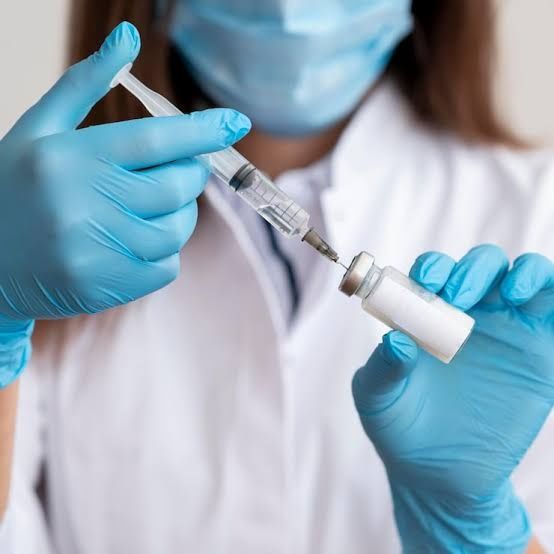
Authorities in South Korea have arrested a nurse assistant for self-administering propofol at a Gangnam-gu dermatology clinic on her first day of employment. The Seoul Gangnam Police Station apprehended the woman in her twenties on July 7 after discovering she had injected herself with the drug, leading to charges under the Narcotics Control Act. The case represents a troubling intersection of workplace vulnerability and substance misuse within the healthcare sector, raising serious questions about safety protocols in medical facilities across the nation.
The woman reportedly discovered a used syringe containing propofol residue in a waste bin at the clinic and proceeded to self-administer the substance. Propofol is a potent intravenous sedative commonly employed to induce anaesthesia during medical procedures. The drug's rapid onset and significant risks make its misuse particularly dangerous; improper administration can precipitate severe physiological complications and, in extreme cases, prove fatal. The fact that the incident occurred within hours of the woman's employment suggests either a catastrophic lapse in institutional safety measures or an individual struggling with substance dependency who sought opportunity through her new position.
Investigators are currently examining whether the nurse assistant has a history of habitual drug use, with authorities releasing her pending further inquiry rather than pursuing immediate detention. This measured approach allows investigators to gather evidence about her background and circumstances while maintaining the presumption of innocence. The decision to forgo physical detention in this case reflects South Korean prosecutorial discretion in low-risk cases, though it remains a developing investigation with potentially significant ramifications for both the individual and the clinic involved.
The arrest arrives amid a broader public health crisis centred on escalating misuse of controlled narcotics within South Korea's medical system. Healthcare workers, particularly those with direct access to pharmaceutical supplies, represent a vulnerable population susceptible to substance dependency. The ease with which this woman accessed a discarded syringe containing propofol underscores fundamental deficiencies in pharmaceutical waste management protocols. Clinics and hospitals throughout the country have apparently failed to implement sufficiently rigorous procedures for the disposal of controlled substances, creating opportunities for both employees and others to retrieve and misuse dangerous drugs.
Statistical data released in June 2025 by South Korea's Drug Ministry and the Korea Institute of Drug Safety and Risk Management paints an alarming portrait of narcotics consumption patterns. Approximately 20.2 million patients received at least one prescription for a medical narcotic during 2025, representing roughly four in every ten South Koreans. This extraordinarily high prevalence of narcotic prescribing, whether reflecting genuine medical need, over-prescription, or both, suggests that South Korean healthcare providers dispense controlled substances at rates substantially exceeding those typical in comparable developed nations. The volume involved creates exponential risk multiplication when storage and disposal procedures remain inadequate.
Critics and public health advocates have intensified calls for comprehensive regulatory reform governing how medical facilities throughout South Korea manage controlled pharmaceuticals. Current frameworks appear insufficient to prevent both institutional theft and individual misuse cases like the one in Gangnam-gu. Enhanced storage protocols, including secure pharmaceutical safes with limited access, electronic inventory tracking systems, and mandatory audit procedures, represent foundational improvements that major hospital networks and clinic operators could implement relatively swiftly. However, such measures require coordinated policy direction from regulatory authorities rather than voluntary compliance initiatives.
The particular vulnerability of healthcare workers to substance misuse deserves specific attention within broader policy discussions. Nurses, nurse assistants, and other clinical personnel often work in high-stress environments with relatively modest compensation, potentially creating conditions that amplify susceptibility to self-medication with available pharmaceutical products. The dermatology clinic where this incident occurred offered no apparent onboarding procedures or safety briefings comprehensive enough to prevent immediate access to hazardous substances. Institutional responsibility extends beyond merely securing drugs to encompassing workplace culture, employee welfare, and robust induction protocols that emphasise both patient safety and staff wellbeing.
This incident carries particular significance for Malaysia and other Southeast Asian nations grappling with comparable healthcare administration challenges. Many regional facilities operate under similar resource constraints and may lack equally sophisticated pharmaceutical management infrastructure. The incident serves as a cautionary illustration that substance misuse within medical settings represents a persistent regional concern rather than an isolated national problem. Healthcare administrators throughout Southeast Asia might examine their own disposal procedures, storage facilities, and employee oversight mechanisms to identify vulnerabilities before similar incidents occur.
The broader question of why South Korea experiences such extraordinarily high rates of narcotic prescribing warrants examination alongside the immediate security concerns. Pharmaceutical industry practices, physician training and incentive structures, and patient expectations regarding pain management and sedation may all contribute to the prevalence figures. Addressing the misuse problem requires not merely tightening access to existing supplies but potentially reassessing the fundamental volume of narcotics entering the healthcare system. Until policymakers tackle the oversupply dimension alongside security enhancement, even substantially improved storage and disposal protocols will operate within a risk environment considerably more elevated than necessary.

