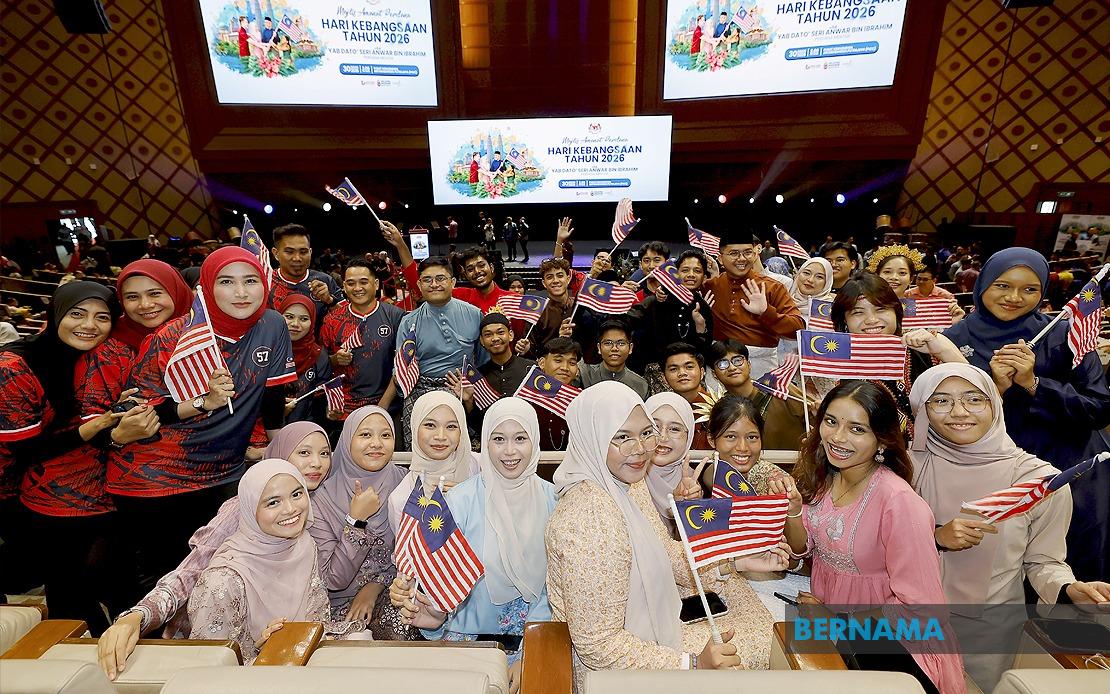
Prime Minister Datuk Seri Anwar Ibrahim has unveiled six substantial policy measures in conjunction with Malaysia's National Day celebration, with observers noting that the initiatives span multiple economic tiers and demographic groups, from wage earners and students to micro-entrepreneurs and long-distance commuters. The announcement, delivered at the Putrajaya International Convention Centre, signals the government's intention to distribute support across different constituencies during an economically challenging period.
Among the most immediately visible measures is the restoration of the Budi MADANI RON95 subsidy programme to its previous allocation level. The threshold has been increased from 200 litres to 300 litres per month, a decision that resonates strongly with working professionals and families reliant on personal transport. For those commuting daily to urban employment centres, where public transport networks remain limited outside major metropolitan areas, this adjustment represents tangible financial relief at the petrol pump—a concern that regularly features in household budget conversations across Malaysia.
The government has also announced a 50 per cent increase in school maintenance funding allocated for 2027, bringing the total to RM1.5 billion. This represents a strategic investment in educational infrastructure at a time when Malaysian schools increasingly require modernisation, repairs, and upgrades to classroom facilities, sanitation systems, and technological equipment. For rural and under-resourced institutions particularly, such enhanced maintenance budgets can prove transformative in extending the physical lifespan of buildings and improving learning environments.
Support for informal traders and home-based entrepreneurs materialises through the RM200 million Geran Sejahtera MADANI initiative. This programme specifically targets hawkers, night market vendors, and mothers operating small businesses from residential premises—a substantial cohort within Malaysia's informal economy that often operates outside conventional banking and financing structures. For this segment, direct grants provide liquidity without the bureaucratic obstacles sometimes encountered in formal loan applications.
Microfinance facilities have been enhanced with an additional RM1 billion in funding, expanding the total microfinancing portfolio to RM6 billion for 2026. This expansion acknowledges the critical role that small-scale lending plays in enabling entrepreneurs to establish or expand ventures that would not meet conventional banking thresholds. Microfinance has become increasingly recognised as a poverty alleviation and employment generation tool across Southeast Asia, and Malaysia's commitment to expanding this sector mirrors regional trends toward inclusive financial services.
The government has raised the Budi Diesel quota from 300 litres to 400 litres per month, providing relief specifically to commercial operators, agricultural workers, and industries dependent on diesel-powered equipment. Unlike the RON95 adjustment affecting passenger vehicles, this measure directly supports productivity in farming, haulage, and construction sectors, where fuel represents a significant operational cost. The increase facilitates business continuity for operators working with narrow profit margins.
A notable addition addresses the escalating relevance of artificial intelligence in contemporary economic life. The government will provide free three-month subscriptions to three AI applications for 100,000 youths aged 18 to 30 who complete modules under the AI for the People programme. This initiative reflects recognition that digital literacy and exposure to emerging technologies have become essential employment qualifications. Young Malaysians competing in regional and global job markets require familiarity with AI tools, yet access often depends on disposable income, creating barriers for lower-income youth. Subsidised access democratises opportunity and addresses potential skill gaps before they calcify into employment disadvantage.
Regulation affecting small and medium enterprises has been simplified through an adjustment to e-Invoice exemption thresholds, elevated from RM1 million to RM3 million in annual turnover. This provides breathing space for growing businesses still developing internal compliance systems while remaining exempt from expensive invoicing software investments. Such regulatory calibration reflects understanding that premature administrative burden can stifle small enterprise growth, and the adjustment permits firms to scale before facing substantial compliance costs.
Response from young working professionals suggests these measures resonate across income levels. A 26-year-old private-sector employee characterised the fuel subsidy restoration as particularly meaningful for daily commuters managing transportation costs alongside rent and living expenses. The individual highlighted that comprehensive coverage across multiple segments—corporate support and consumer relief alike—suggests coordinated policy design rather than ad-hoc announcement. This perception of systematic approach matters for public confidence in government economic management.
Younger demographic segments responded positively to the AI initiative, recognising its relevance to contemporary skill requirements. A 24-year-old accounts assistant noted that artificial intelligence has already integrated into workplace operations, making familiarity with such tools increasingly essential. Subsidised access particularly benefits individuals without resources to purchase premium subscriptions independently, potentially influencing their competitive positioning in labour markets where technical competency commands wage premiums.
These six measures collectively address different economic pain points: fuel costs for commuters, infrastructure for students, liquidity for informal traders, technology access for youth, and operational capacity for commercial users. The breadth suggests recognition that economic support cannot be narrowly targeted without inadvertently creating constituencies perceiving themselves as neglected. Distributing benefits across income groups, age cohorts, and business types builds political capital while addressing genuine economic pressures affecting household decisions and business viability.
For Malaysian and regional observers, these announcements indicate government willingness to employ direct subsidy and grant mechanisms alongside regulatory adjustment—a mixed policy approach reflecting political economy constraints in a diverse, middle-income economy. The measures avoid radical restructuring while providing incremental relief, suggesting cautious engagement with systemic economic challenges rather than transformative intervention.

