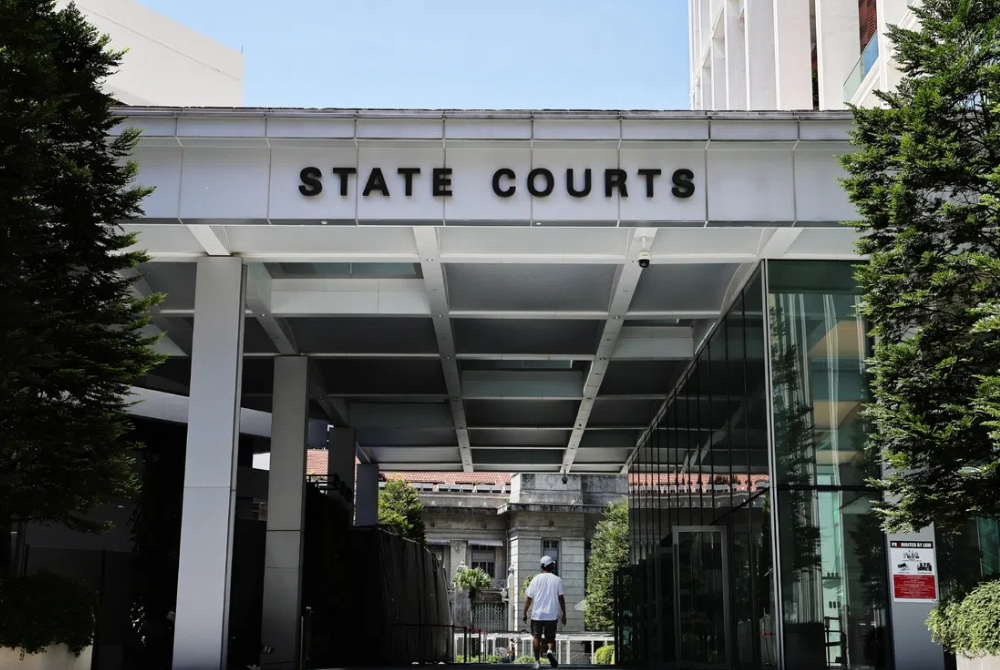
A Singaporean man has been sentenced to nine years and 10 months in prison, along with eight strokes of the cane, for subjecting primary school pupils to systematic and severe abuse while employed as a manager at a private educational facility. The perpetrator, who cannot be identified due to court-ordered anonymity protecting the child victims, pleaded guilty in July to charges including child abuse, voluntarily causing grievous hurt, and providing false information to the Ministry of Manpower. The August 21 sentencing delivered by District Judge John Ng marks one of the more serious cases of institutional child abuse heard in Singapore's courts in recent years.
The abuse inflicted by the 31-year-old was extraordinarily brutal and methodical. One six-year-old victim from China, who had moved into the facility's residential quarters in January 2023, bore the brunt of the most extreme cruelty. The child was struck hundreds of times with a clothes hanger, stomped on at least 40 occasions, and subjected to extended stress positions lasting over 18 hours consecutively. Most disturbingly, the man forced the boy to consume his own urine when the child expressed thirst while being restrained in a push-up position for extended periods. These acts of degradation and violence resulted in severe, life-threatening injuries including rib fractures and kidney failure, requiring the child to undergo nine days of dialysis treatment.
The documented pattern of abuse reveals calculated cruelty rather than isolated incidents of discipline. On March 9, 2023, the man instructed the child to hold a push-up position during English study time. The position was maintained from 3:45pm until the following morning—more than 18 consecutive hours. During this ordeal, other students were permitted to eat their dinner while the child remained suspended, experiencing hunger and physical exhaustion. In the early morning hours, the man punched and stomped on the boy at 1:15am, then placed a chair across his back and sat on it between 2am and 7am, forcing him to lower his body further while maintaining the stress position.
The psychological humiliation compounded the physical trauma. When the child needed to urinate, the man forced him to use a basin and subsequently made him drink the contents. The next morning, at around 6am on March 10, the abuser called the child's father in China to request permission to discipline him, deliberately omitting any reference to the physical violence already inflicted or any mention of the overnight ordeal. The father, unaware of the actual situation, gave verbal consent. That same day, the child was barred from attending school and subjected to continuous abuse using clothes hangers and bare hands, with such force that one hanger broke—yet the man continued hitting the child with the fractured implement and stomped repeatedly on his body. By evening, the child had become too weak to stand and had to be carried to the toilet by his abuser.
The employment arrangement itself highlights institutional failings that enabled this abuse to occur. The man's aunt owned the educational facility, which provided residential accommodation for students and management consultancy services for foreign pupils. The abuser was hired as a manager in 2016, giving him responsibility for overseeing students living at the facility. Critically, he was assigned to teach primary school pupils and supervise their homework despite possessing no formal teaching qualifications, childcare credentials, or professional training in child supervision. This absence of proper vetting, oversight, and professional standards created an environment where a single individual with unchecked authority could inflict sustained abuse on vulnerable children whose parents were overseas and dependent on the facility's trustworthiness.
The victim's suffering extended beyond the acute incidents documented in court. Throughout his residence at the facility beginning in January 2023, the child was subjected to food deprivation, being given only bread and water to consume. He was forced to sleep in the toilet, further degrading his dignity and wellbeing. The cumulative effect of malnutrition, sleep deprivation, physical trauma, and psychological humiliation created conditions of severe harm. The fact that the child developed kidney failure and required dialysis indicates that the abuse caused acute systemic damage—a medical crisis that could have resulted in permanent organ damage or death had intervention been delayed further.
During sentencing, District Judge John Ng emphasized that the documented facts themselves demonstrated the exceptional brutality of the offences. The judge noted that the child had been struck at least 600 times and stomped on his back and buttocks at least 40 times. He also addressed the defence's mitigation arguments, which cited the offender's own traumatic childhood—specifically having an alcoholic father and a gangster older brother who had physically abused him. While acknowledging this difficult background, Judge Ng firmly rejected the notion that personal trauma could excuse such actions. The judge observed that the offender, having suffered abuse as a child, should have been in a stronger position to refrain from inflicting similar treatment on vulnerable children who had been entrusted to his care and protection.
The prosecution, led by Deputy Public Prosecutors Timotheus Koh and Cheronne Lim, presented a comprehensive case detailing how the offender had exploited the trust placed in him as a caregiver. They highlighted the premeditated nature of much of the abuse, including the deliberate withholding of medical attention for three days after the most severe incidents because the man feared police involvement. By delaying medical treatment for a child whose kidney function had begun to fail, the offender knowingly risked permanent disability or death. The prosecutors emphasized that the six-year-old victim suffered injuries classified as critical and life-threatening—the consequence of sustained, intentional violence rather than momentary loss of control.
The sentencing also illustrates the limitations of Singapore's judicial responses to institutional child abuse. While the nine-year and ten-month sentence is substantial, it must be considered against the severity and duration of the abuse, the age and vulnerability of the victims, and the institutional context that enabled the abuser to operate. The offender's request to defer his sentence by one week to attend prayers was rejected by the judge, reflecting the seriousness with which the court regarded the offences. The man was permitted only brief time to speak with family members before being led away by correctional officers.
For Malaysian and Southeast Asian stakeholders, this case raises critical questions about standards governing private educational facilities, particularly those offering residential accommodation for foreign students. Many Southeast Asian families send their children abroad to private institutions with the expectation of enhanced educational opportunity and safe supervision. The Singapore case demonstrates how inadequate screening, insufficient oversight, and absence of professional credentials can create environments where abuse flourishes unchecked. It underscores the necessity for regional harmonization of child protection standards, mandatory training for educators, robust complaint mechanisms accessible to overseas parents, and regular inspections of facilities housing children far from their families.
The case also highlights the particular vulnerability of children separated from their parents by geographic distance. A child's complaint or signs of distress may not reach parents in time for intervention, and authority figures can exploit communication barriers and parental distance to conceal abuse. The offender deliberately withheld information from the child's father and fabricated a narrative of permission to discipline, demonstrating how geographical separation can be weaponized. Schools and residential facilities across Southeast Asia housing international students must implement transparent communication channels, multilingual reporting mechanisms, and regular welfare checks conducted by trained professionals independent of the facility's management.
The broader implications for Singapore's regulatory environment are also significant. While Singapore maintains reputation as a well-governed jurisdiction with strong law enforcement, this case reveals gaps in the oversight of private educational providers, particularly smaller facilities operating on residential premises. The fact that an unqualified individual could be placed in sole charge of children's supervision and teaching suggests that regulations governing private education may not adequately protect students in non-mainstream settings. Moving forward, Singapore and other Southeast Asian nations should consider strengthening mandatory background checks, requiring formal qualifications for anyone in supervisory or teaching roles with children, establishing independent inspection regimes for residential facilities, and creating protected whistleblower pathways for staff and students.

