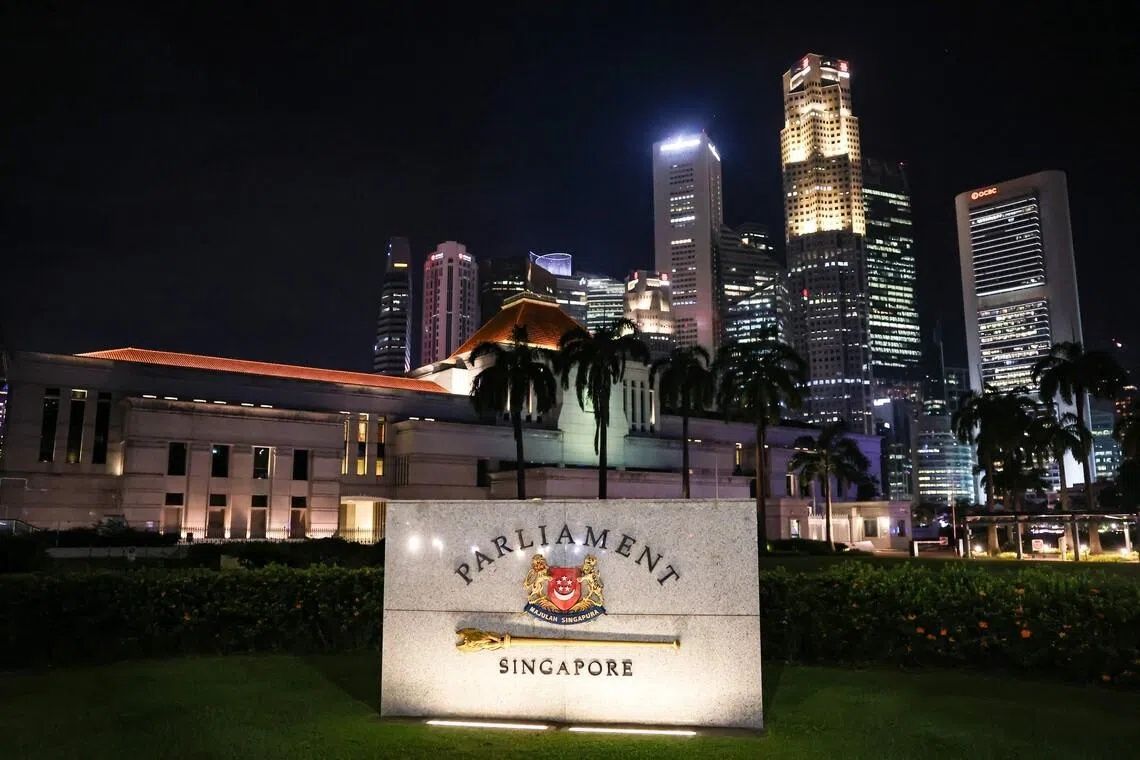
A 40-year-old Singapore resident has been apprehended and faces prosecution for perpetrating a pair of hoax bomb threats against high-profile government installations, including the Parliament House, over a four-day span in early July. The individual was taken into custody on July 7 following investigations that linked both incidents to a single perpetrator, with formal charges expected to be filed on July 9. The case underscores growing concerns across Southeast Asia about malicious communications targeting critical government infrastructure and the resources diverted to respond to such threats.
The first incident occurred on July 3, when the Home Team Science and Technology Agency (HTX) at its One North facility received an online submission falsely claiming that an explosive device had been planted within the building. Four days later, on July 7, the police received notification of a follow-up threat conveyed through electronic mail sent to the Prime Minister's Office, asserting that a bomb had been positioned at the Parliament House. The timing and pattern of these communications raised immediate red flags for investigators, prompting a swift response from law enforcement authorities.
Police responded to each reported threat with comprehensive security protocols. Upon receiving the initial notification concerning HTX, officers conducted systematic and thorough sweeps of the One North premises, including both the interior of the building and the surrounding grounds. Similarly, when the threat against Parliament House was reported, security personnel implemented full-scale searches of the legislative building and its immediate vicinity. Despite the intensity and scope of these examinations, no suspicious items or devices of any security concern were discovered at either location, confirming that both alerts were indeed without substance.
Detectives from the Criminal Investigation Department and Central Police Division worked in parallel to establish the connection between the two separate reports. Their methodical analysis of the communications, digital metadata, and investigative leads eventually established that a single individual was responsible for both incidents. The breakthrough in linking the cases accelerated the investigation's momentum and narrowed the scope of the manhunt considerably. The suspect was apprehended on July 7, the same day the second threat materialized, suggesting that rapid police action prevented further potential incidents.
Searches conducted following the man's arrest yielded several electronic devices that investigators believe were utilised in orchestrating and transmitting the false threats. The seizure of this equipment provides law enforcement with critical digital evidence that will likely feature prominently in court proceedings. Forensic analysis of these devices may reveal additional details about the suspect's methods, motivations, and whether similar threats were made elsewhere.
The charges brought against the individual relate to communicating false information regarding a harmful thing, a serious criminal offence in Singapore. If convicted, he faces a maximum penalty of seven years imprisonment, a financial fine not exceeding S$50,000, or a combination of both sanctions. The severity of these potential consequences reflects the gravity with which Singapore's legal system treats hoax threats against government buildings and infrastructure.
The Singapore police statement accompanying the charge notice emphasised the significant impact that such fabricated threats have on public order and government operations. Officials highlighted that false bomb alerts generate widespread public anxiety and fear among citizens, potentially causing panic in areas surrounding targeted buildings. Beyond the psychological toll on the population, these hoaxes consume enormous quantities of time, financial resources, and personnel that could otherwise be deployed toward genuine security threats or other pressing law enforcement priorities. Each response to a bomb threat requires the mobilisation of multiple specialist units, the temporary closure or evacuation of premises, and extensive investigative follow-up.
For Malaysia and other Southeast Asian nations, this case serves as a cautionary reminder of the vulnerability of government institutions to malicious communications and the operational burden such threats impose on security agencies. Singapore's swift response and decisive prosecution of the individual involved may set a benchmark for regional approaches to handling similar incidents. The case also highlights the importance of digital forensics capabilities in identifying perpetrators of online threats and the necessity of maintaining robust cybersecurity and communication monitoring systems.
The incident occurs amid broader regional discussions about public safety, government security, and the responsibilities of those who misuse communication channels. While freedom of expression remains a valued principle, deliberate false communications that threaten public safety and divert critical resources represent a serious abuse of that freedom. The successful identification and prosecution of the individual responsible demonstrates that law enforcement agencies possess the technical sophistication and investigative capacity to track down those who perpetrate such schemes.

