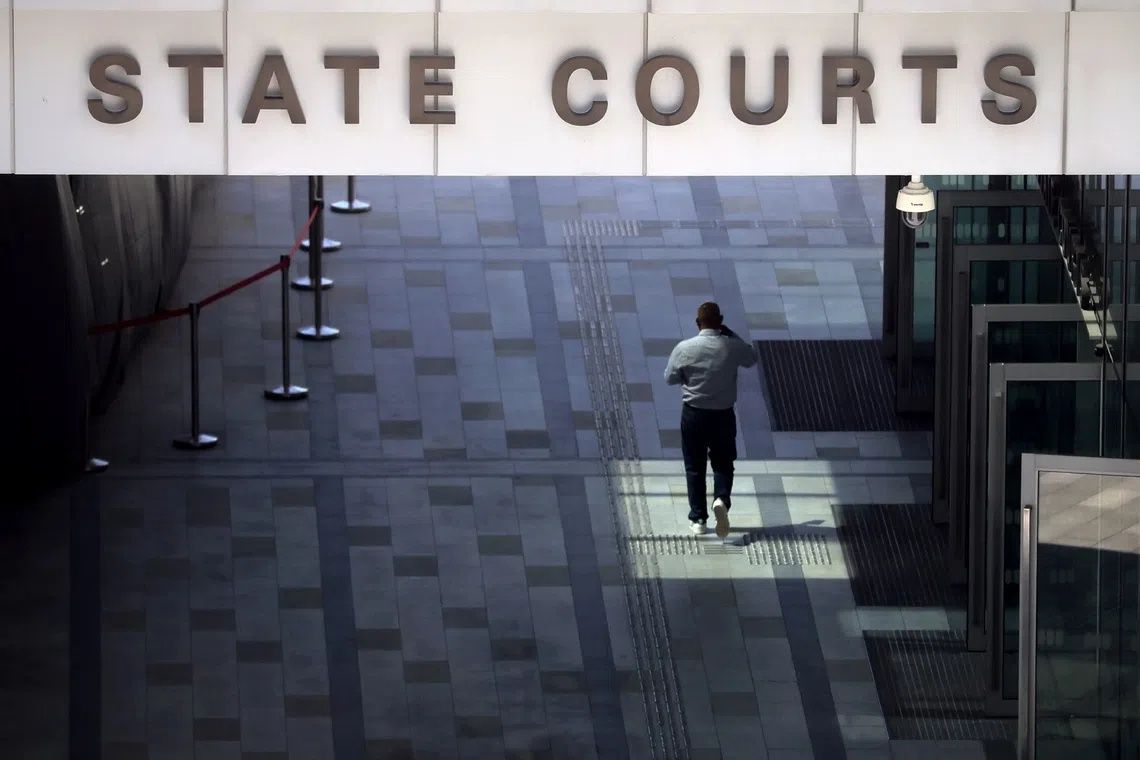
A 40-year-old father in Singapore now faces formal charges stemming from allegations of child abuse involving both his son and daughter, marking another case highlighting persistent concerns about domestic violence in the city-state. The man was charged on Thursday with two counts of ill-treating a child, crimes that carry significant penalties under Singapore's Children and Young Persons Act. Legal restrictions prevent the publication of the man's identity and those of his children to safeguard their privacy during the proceedings.
The first alleged incident occurred on the morning of September 8, 2025, within the family's eighth-floor flat. According to court documents, the man instructed his 10-year-old son to remove all his clothing and use the lift to descend to the ground floor of the Housing and Development Board block. The nature of this directive suggests an intention to subject the child to humiliation and public exposure, though court records remain silent on whether the boy ultimately complied with the instruction. The deliberate targeting of a young child for such an act raises questions about the father's state of mind and potential triggers for his behaviour.
Separately, an assault occurred at Changi Airport Terminal 3 on October 3 of the same year, shortly before 6pm. During this incident, the father allegedly struck his eight-year-old daughter multiple times, using both his hand and closed fist, while also pushing her. The violence resulted in visible injuries to the child's face and neck, suggesting the force applied was considerable. Changi Airport, Singapore's main international aviation hub, is a public venue with substantial foot traffic, indicating the assault took place where numerous witnesses could potentially observe the abuse.
The timing of both incidents—separated by approximately four weeks—and their distinct nature raises concerns about a pattern of escalating or episodic abuse. While court documents provide the bare facts of the allegations, they offer no insight into the circumstances that prompted these acts or what may have been occurring within the family unit prior to the charges being filed. Understanding the context behind child abuse cases is often critical for prosecutors, judicial officers, and social services in determining appropriate interventions and rehabilitation measures.
The charges filed against the father represent a critical moment in Singapore's ongoing efforts to combat child abuse within domestic settings. The city-state's legal framework, including the Children and Young Persons Act and the Prevention of Cruelty to Children Act, provides prosecutors with tools to pursue such cases and courts with sentencing options that balance punishment with rehabilitation. However, cases like this frequently spotlight gaps in early intervention and family support systems that might have prevented escalation to the point of formal charges.
Singapore, like many developed economies in Southeast Asia, maintains relatively strict child protection laws but continues to grapple with unreported incidents occurring behind closed doors. The prevalence of such cases suggests that while legal mechanisms exist, community awareness and reporting mechanisms require strengthening. Neighbours, extended family members, and institutional staff working with children—educators, healthcare providers, and coaches—play vital roles in identifying warning signs and reporting suspected abuse to the authorities.
The use of a gag order in this case reflects judicial recognition of the paramount interests of the children involved. Protecting their identities during legal proceedings is standard practice across Commonwealth jurisdictions and aims to prevent stigmatisation and further trauma. However, this confidentiality also means that comprehensive details about the father's background, employment status, mental health history, and family dynamics remain outside public scrutiny, limiting broader understanding of how such situations develop.
The prosecution's decision to charge the father with ill-treatment rather than pursuing more serious charges such as voluntarily causing hurt suggests that while the alleged conduct crossed legal thresholds for criminalisation, prosecutors assessed the injuries and circumstances as falling short of causing grievous harm. This distinction carries implications for sentencing guidelines and the severity of penalties that courts may consider, typically ranging from fines to imprisonment depending on aggravating factors.
For Malaysian readers, the case provides a sobering reminder that child abuse transcends national boundaries and socioeconomic status, occurring within families across the broader Southeast Asian region. While Malaysia's own legal framework, including the Child Act 2001, establishes protections and offences related to child ill-treatment and cruelty, public awareness campaigns and community vigilance remain essential. Regional organisations working on child protection continue advocating for stronger coordination between authorities and enhanced public education about recognising and reporting suspected abuse.
The case will be mentioned again in court on August 13, when prosecutors and the defence are expected to provide updates on investigations, possibly including statements from witnesses, medical reports, and assessments from child protection specialists. The forthcoming proceedings will determine whether the father proceeds to trial, enters a guilty plea, or whether further information emerges regarding the circumstances of the alleged incidents. The outcome will have lasting implications not only for the father but, more significantly, for the two children whose safety and wellbeing remain the paramount concern throughout the legal process and beyond.

