A Shanghai resident with previous convictions for fraud has received a prison sentence of 10 years and three months, plus a fine of 100,000 yuan, after orchestrating an elaborate deception that resulted in his longtime friends losing over 700,000 yuan—approximately US$103,000. The case, which came to light in May 2025, reveals how desperation and lack of conscience can corrupt even the deepest personal relationships, and underscores vulnerabilities in China's property transaction verification processes that should concern buyers across the region.
The perpetrator, identified as Sun, had previously operated two retail businesses in Shanghai that failed, leading to criminal convictions for fraud. Upon his release from prison in 2017, however, he encountered extraordinary kindness from a married couple he had befriended nearly three decades earlier. Despite their own precarious circumstances as migrant workers with modest incomes, this couple consistently provided Sun with meals, financial assistance, and emotional support during his reintegration into society. Such sustained generosity from people themselves struggling financially speaks to the depth of their friendship and trust—resources that Sun would ultimately exploit without remorse.
Sun cultivated a carefully constructed persona that masked his actual financial instability. He presented himself as a well-connected Shanghai native with ownership interests in commercial properties and claimed to have influential relatives serving on village administrative committees. This veneer of success and stability made him appear capable of accessing exclusive property deals unavailable through conventional channels. When the couple expressed their desire to purchase an affordable home and settle permanently in Shanghai, Sun recognized an opportunity to exploit their trust and their desperation to improve their living situation.
Beginning in 2023, Sun initiated a gradual extraction of funds from the couple, citing various legitimate-sounding justifications. He insisted that payments totalling over 700,000 yuan were necessary for down payments and loans that would eventually be deducted from the final purchase price. The incremental nature of these demands likely prevented the couple from recognizing the full scope of the fraudulent scheme until substantial sums had already been transferred. By 2024, Sun escalated his deception by claiming he had finally secured them a relocation flat—a particularly appealing prospect given China's active urban redevelopment programs—but demanded an additional 400,000 yuan to complete the transaction.
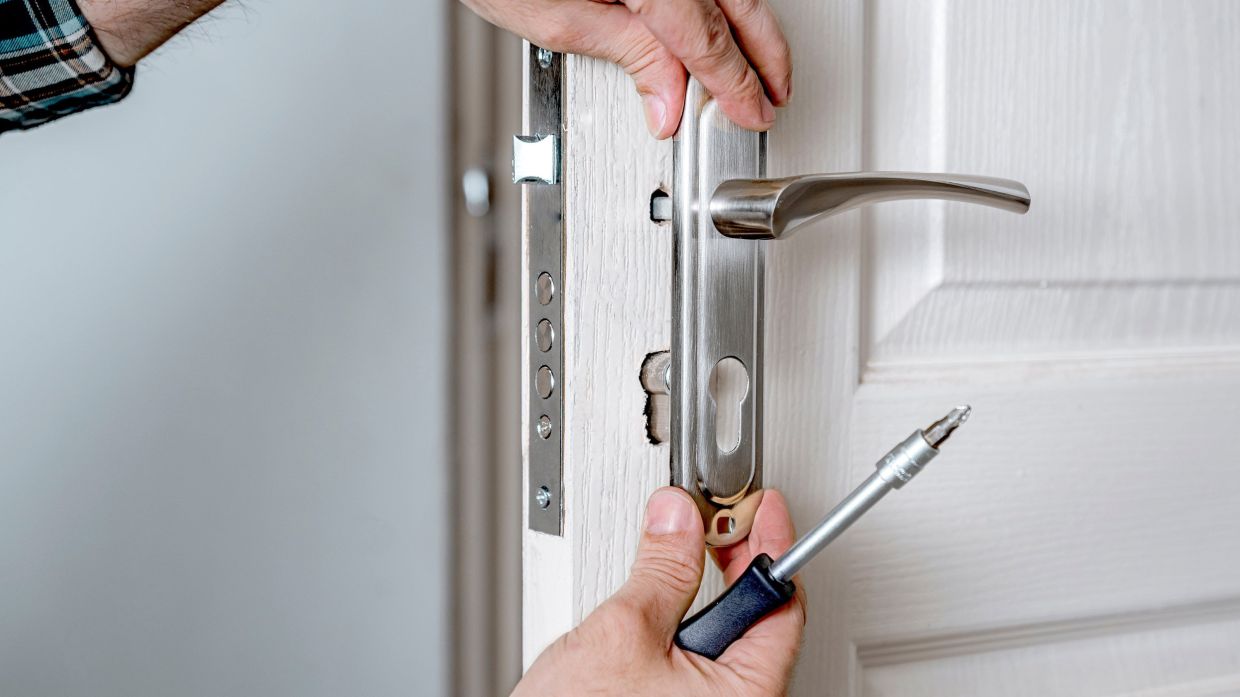
What distinguished this fraud from simpler con schemes was Sun's brazen execution of a physical property takeover. Rather than relying entirely on fabricated documents or empty promises, Sun identified a genuinely vacant residential unit within a resettlement housing estate. The flat had sat empty for more than three months while the legitimate owner, surnamed Wang, engaged an agent to locate tenants. Sun then contacted a locksmith, falsely claiming to have lost his own keys to the property, and instructed the locksmith to replace the existing locks. This action required no proof of ownership—a critical gap in security that enabled the fraud. With new keys in hand, Sun invited the couple to view the property, presented the keys as evidence of ownership transfer, and signed a fraudulent sales contract.
The deception persisted for approximately eight months until May 2025, when Wang arrived at his property with a prospective tenant only to discover that his original key no longer functioned. Security camera footage subsequently confirmed that the locks had been replaced without authorization. Wang immediately reported the incident to police, initiating an investigation that quickly led to Sun's apprehension. Upon arrest, Sun admitted to the fraud but claimed the money had already been spent settling personal debts and covering living expenses, making restitution impossible.
The couple's total loss exceeded 700,000 yuan, made particularly painful by the fact that they had not yet completed the final payment installment when the fraud was exposed. They avoided catastrophic financial ruin only because they had not paid the remaining 400,000 yuan demanded by Sun. Their silence regarding public commentary suggests deep humiliation and perhaps the psychological trauma of betrayal by someone they had supported through difficult circumstances. The question of whether they have pursued separate legal action to recover losses from Sun's remaining assets remains unanswered.
Interestingly, the legal accountability in this case appears asymmetrical. Sun faced substantial criminal penalties, but there is ambiguity regarding consequences for the locksmith who facilitated the lock replacement without verifying Sun's claim of ownership. This gap raises uncomfortable questions about complicity in frauds that depend on third-party service providers. Professional locksmiths in urban China presumably encounter requests to access properties they cannot verify ownership of—establishing clear liability protocols for such situations could significantly elevate barriers to property-related fraud schemes.
The case generated considerable discussion on Chinese social media platforms, with observers highlighting multiple preventive measures that proved absent in this instance. Commentators emphasized that the couple's critical error was failing to verify the property's ownership certificate before committing funds—a safeguard that would have immediately revealed that Sun held no legitimate claim to the flat. Others noted that conducting property transactions outside formal legal channels introduces unacceptable risks, regardless of the trustworthiness of intermediaries. One particularly pointed observation suggested that the couple's willingness to trust personal referrals over institutional verification processes reflected a broader vulnerability among less educated or less financially sophisticated buyers.
For Malaysian and Southeast Asian property buyers, this case offers sobering lessons about the importance of formal transaction protocols and independent verification. While real estate fraud certainly occurs in Malaysia, the relative strength of institutional safeguards—including the requirement for licensed conveyancing services, title insurance through established providers, and centralized land registry verification—substantially reduces the risk of scenarios like Sun's lock-changing scheme. Nevertheless, informal property dealings that bypass these protections remain common in certain contexts, particularly in transactions involving rural land or family properties. The Shanghai case demonstrates that even decades of personal friendship provide insufficient protection against fraud when institutional verification mechanisms are circumvented.
The sentencing of Sun to over a decade in prison reflects Chinese courts' approach to property-related fraud as serious criminal conduct deserving substantial punishment. The 100,000 yuan fine, however, pales against the couple's losses and appears largely symbolic given Sun's demonstrated inability to satisfy financial obligations. This disparity between penalties imposed and actual victim restitution remains a persistent frustration in fraud prosecutions across many jurisdictions. For the elderly couple in Shanghai, the conviction provides some measure of justice and acknowledgment that they were victims of deliberate deception rather than foolish investors, but it cannot restore the decades of accumulated savings they entrusted to someone they mistakenly believed would honor their longstanding friendship.

