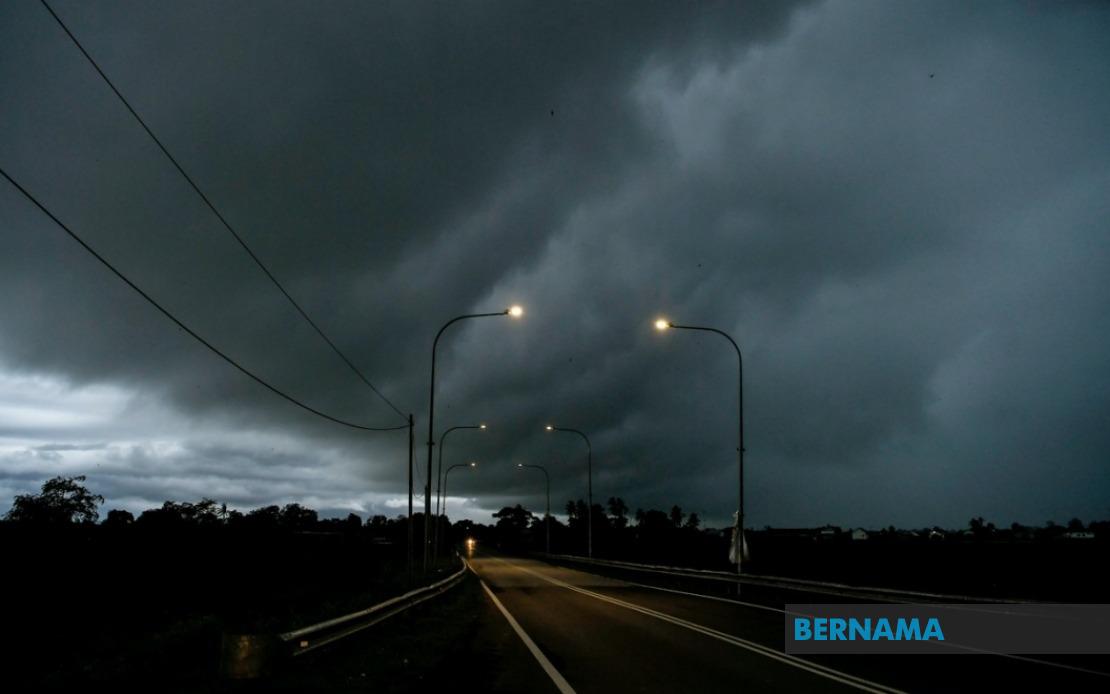
The Malaysian Meteorological Department has issued a significant weather alert affecting communities across the country, warning residents in seven states to prepare for severe thunderstorms, intense rainfall and dangerous wind gusts lasting through the evening of July 8. The advisory underscores the need for heightened vigilance among residents in vulnerable areas, particularly those in low-lying regions prone to flash flooding during sudden downpours.
On the western side of Peninsular Malaysia, residents of Perak face particularly challenging conditions in three districts. The departments' warning encompasses Larut, Matang and Selama alongside the administrative centres of Kuala Kangsar and Kinta, where the combination of heavy precipitation and strong winds poses risks to daily activities and outdoor planning. These areas, which frequently experience monsoon-related weather patterns, require residents to remain alert to changing atmospheric conditions throughout the afternoon and early evening hours.
Kelantan, situated on the east coast of Peninsular Malaysia, faces threats across three significant districts. The warning covers Jeli in the northern region, as well as Kuala Krai and Gua Musang in the inland areas. These localities, which serve as commercial and agricultural hubs, may experience disruptions to transportation routes and economic activities should the predicted storms materialise with anticipated intensity. The east coast regions traditionally encounter more pronounced seasonal weather variations, making such alerts particularly consequential for residents and businesses.
Neighbouring Terengganu and Pahang likewise fall within the warning zone. Kemaman district in Terengganu, an area combining industrial development with residential zones, has been flagged for potential hazardous conditions. In Pahang, the dual districts of Lipis and Jerantut, which include substantial forested areas and rural communities, represent regions where the combination of heavy rainfall and strong winds could affect infrastructure and accessibility.
In Johor, three districts extending from the Straits of Johor southward have been placed under alert. Kulai, Kota Tinggi and Johor Bahru, representing a major population concentration in the southern peninsula, contain diverse terrain ranging from urban zones to agricultural regions. The warning's inclusion of these densely populated areas emphasises the potential for significant impact on Malaysia's most developed southern state.
The alert extends considerably beyond Peninsular Malaysia into Sarawak, where four regions have been identified. Kuching and Samarahan, comprising the state capital and its immediate surroundings, face the prospect of severe conditions affecting the administrative and commercial heartland of Sarawak. Additionally, Kanowit in the Sibu division and the two districts of Tatau and Sebauh in Bintulu round out the affected areas, reflecting the broad geographic scope of the meteorological disturbance affecting the entire state.
Sabah, Malaysia's largest state by area, has similarly been identified as vulnerable, with warnings focused on two divisions. In the Interior division, Sipitang faces the anticipated weather challenges, while the Sandakan division encompasses multiple districts including Telupid, Kinabatangan, Beluran and Sandakan itself. This distribution across Sabah's divisions suggests a weather system of considerable spatial extent, potentially linked to broader regional atmospheric patterns characteristic of July monsoon transitions.
The temporal constraint of the warning—extending only until 9 pm on July 8—provides a defined timeframe for residents to prepare and adjust their plans accordingly. However, this relatively short window underscores the fast-moving nature of the meteorological phenomenon and the urgency with which authorities have disseminated the alert. Residents are typically advised to secure loose outdoor items, avoid unnecessary travel during peak storm hours, and remain informed through official weather updates.
For Malaysian readers across these affected regions, such alerts carry practical implications for everything from school transport arrangements to commercial operations and agricultural activities. The combination of heavy rain, thunderstorms and strong winds presents genuine hazards that necessitate preparation and awareness. Authorities typically recommend that residents remain indoors during the most severe periods, avoid flooded roads, and exercise caution around fallen branches or compromised infrastructure.
The geographic breadth of this warning—spanning from the northern peninsula through the central and southern regions to both major East Malaysian states—reflects the scale and significance of the meteorological event. Such comprehensive alerts from MetMalaysia serve as crucial early warnings that allow communities, emergency services and authorities to position resources appropriately and ensure public safety during weather extremes. The detailed specification of affected districts enables residents to assess their own exposure to risk and take proportionate precautions before conditions deteriorate.

