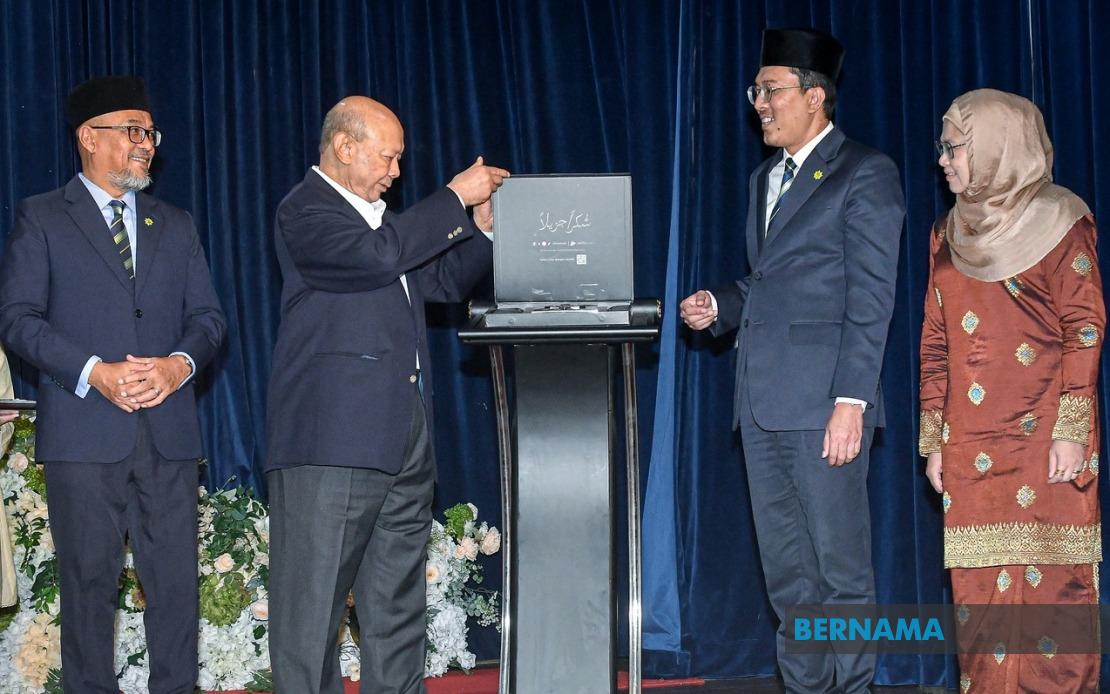
Malaysia's Islamic finance landscape has taken a significant step forward with the Selangor Zakat Board's introduction of IKTIRAF, a groundbreaking recognition initiative unveiled at the GRASIAZ 2026 event in Shah Alam. This programme represents the nation's first official certification mechanism designed to acknowledge and celebrate corporate entities that maintain consistent compliance with their business zakat obligations—a religious duty that forms a cornerstone of Islamic economic practice.
The initiative addresses a longstanding gap in Malaysia's zakat ecosystem. While halal certification has become ubiquitous across consumer goods, signalling adherence to Islamic dietary standards, no comparable framework has previously existed to recognise corporate commitment to zakat payment. By establishing IKTIRAF, Zakat Selangor creates a parallel certification system that leverages public recognition and consumer preference to incentivise business participation in this fundamental pillar of Islam. According to Mohd Khaidzir Shahari, the board's chief executive officer, this approach mirrors the success of halal labelling, whereby consumers consciously select products from certified suppliers, thereby rewarding compliant businesses.
The mechanics of the IKTIRAF system are deliberately straightforward, facilitating widespread adoption among participating companies. Organisations meeting the programme's eligibility criteria receive digital certificates and distinctive labels bearing unique serial numbers, which can be prominently displayed on packaging, storefronts, and marketing collateral. To ensure transparency and enable public verification, each participating company is assigned a QR code linking directly to the Zakat Selangor database, allowing consumers and stakeholders to confirm a firm's zakat compliance status instantaneously. This transparency-by-design approach transforms zakat payment from an opaque religious obligation into a visible marker of corporate virtue.
For Malaysian businesses, particularly those operating in Selangor, the IKTIRAF certification offers distinct reputational and competitive advantages. In an increasingly conscious consumer environment where corporate social responsibility carries significant weight, the ability to display official recognition of Islamic financial compliance positions participating companies as principled corporate citizens. This is particularly relevant in the context of Malaysian Islamic finance's rapid growth—the country has established itself as a global Islamic finance hub, and corporate participation in zakat payment reinforces this positioning domestically and internationally. The certification thus serves dual purposes: fulfilling religious obligation while simultaneously enhancing brand equity.
Mohd Khaidzir's strategic emphasis on awareness-building rather than enforcement-driven targets reveals a nuanced understanding of how Islamic economic practices are best sustained. By setting an initial aim of recognising approximately 1,000 existing business zakat payers within the first operational year, Zakat Selangor prioritises the cultivation of genuine understanding and voluntary commitment over numerical targets. He articulated a crucial insight: zakat cannot be effectively implemented through coercive mechanisms. Instead, sustained compliance requires engagement with corporate decision-makers—shareholders, board members, and senior management—to embed zakat payment as an integral component of organisational values and governance frameworks rather than a mere regulatory obligation discharged reluctantly.
This approach reflects sophisticated institutional learning from previous zakat initiatives. Rather than pursuing rapid expansion that might deliver impressive initial statistics but produce shallow or temporary participation, Zakat Selangor recognises that durable commitment emerges only when corporate entities develop genuine conviction regarding their zakat duties. The board's willingness to invest time in educational engagement with boards of directors and shareholders demonstrates recognition that zakat payment, to be consistent and meaningful, must be anchored in deliberate corporate policy rather than one-off gestures. This patient, relationship-centred strategy increases the likelihood that participating companies will sustain their zakat obligations over extended periods.
The initiative holds particular significance for Selangor, Malaysia's most economically developed state and home to numerous multinational corporations and large local enterprises. The concentration of business activity in Selangor means that successful uptake of IKTIRAF could substantially expand the zakat base while simultaneously positioning the state as a leader in integrating Islamic principles into modern corporate governance. This regional prominence may catalyse broader adoption across other Malaysian states, as companies operating nationally seek uniform zakat certification standards and as competing zakat authorities observe the initiative's outcomes.
Beyond its immediate commercial implications, IKTIRAF addresses a theological and social dimension increasingly important in contemporary Islamic finance discourse. Business zakat—the mandatory contribution of 2.5 percent on certain forms of commercial wealth—constitutes a mechanism for wealth redistribution and poverty alleviation embedded within Islamic law. By making business zakat payment visible and publicly recognized, IKTIRAF reframes zakat from an obscure religious technicality into a celebrated expression of corporate Islamic commitment. This symbolic elevation potentially influences broader corporate culture, gradually normalizing zakat payment as an expected dimension of business operations in Muslim-majority Malaysia.
The presence of Tan Sri Syed Anwar Jamalullail, chairman of Zakat Selangor, at the launch ceremony signals institutional commitment at the highest levels. The distribution of plaques to early participating companies and organisations across both the Business Zakat and Salary Deduction Scheme categories provided immediate recognition that reinforces the initiative's legitimacy and attractiveness. These inaugural participants effectively become ambassadors, demonstrating to other corporate entities that participation in IKTIRAF carries prestige within Malaysia's business community.
The programme's success will likely depend on several key factors beyond the certification framework itself. Corporate awareness of business zakat obligations remains inconsistent across Malaysian enterprises, particularly among smaller and mid-sized companies unfamiliar with Islamic finance provisions. Zakat Selangor must invest substantially in educational campaigns reaching corporate accounting and governance departments. Additionally, the board must ensure that the IKTIRAF verification process remains genuinely accessible and user-friendly; if consumers or business partners find the QR code verification cumbersome, the certification's reputational value diminishes. Clear communication regarding the religious significance and practical implications of business zakat payment will be essential.
The international dimension also merits consideration. As Malaysia positions itself globally as an Islamic finance centre, corporate certification of zakat compliance could become an attractive credential for multinational corporations seeking to demonstrate commitment to Islamic principles in their Asian operations. This potential extends the initiative's relevance beyond Selangor's borders and positions it as part of Malaysia's broader Islamic finance infrastructure. For Southeast Asian companies with operations in Malaysia, IKTIRAF certification might become a competitive advantage in markets where Islamic business practices carry increasing influence.
Looking forward, IKTIRAF establishes a prototype that could be refined and replicated across Malaysia's other zakat collection authorities. The initiative demonstrates that religious obligation and commercial incentives need not conflict; rather, by aligning compliance with reputational benefits, Zakat Selangor has created a system that potentially motivates behaviour change while respecting corporate autonomy. As the programme matures over its first operational year, outcomes will reveal whether consumer recognition genuinely influences purchasing decisions, whether corporate boards embrace zakat payment as governance best practice, and whether the model successfully expands the zakat ecosystem's reach across Malaysia's business landscape.

