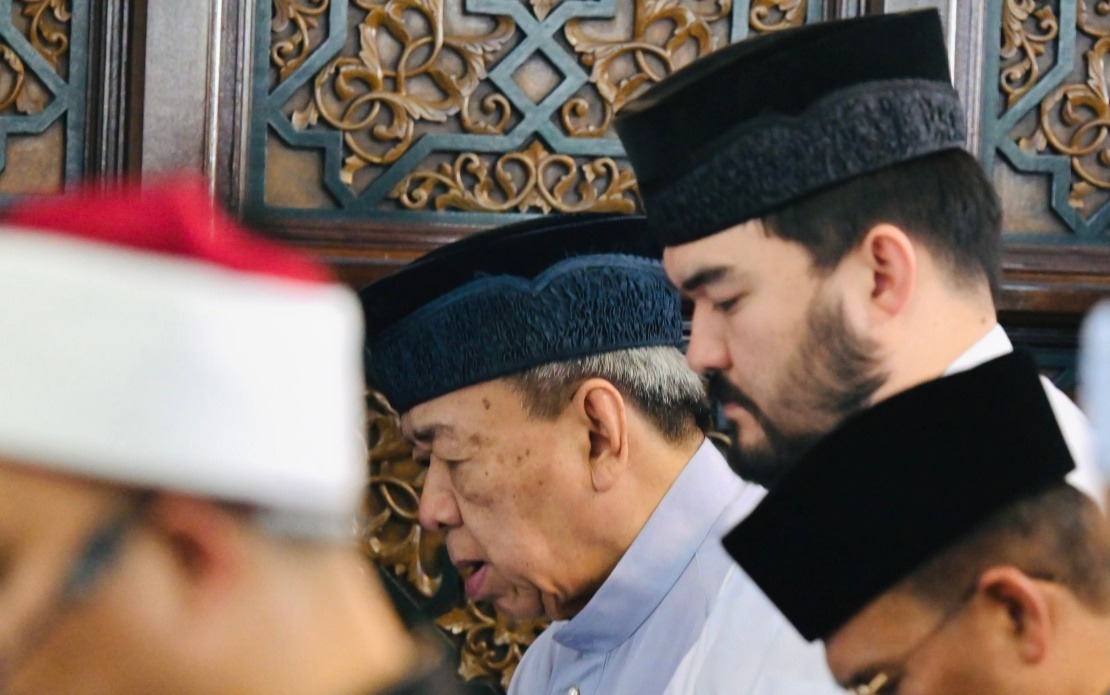
The Sultan of Selangor, Sultan Sharafuddin Idris Shah, has issued a significant call for the Muslim community to embrace kindness towards animals in all its forms, from domesticated pets to stray creatures and wildlife populations. Speaking through the Selangor Royal Office's official channels, His Royal Highness linked this appeal to broader Islamic values, drawing on a Friday sermon theme distributed across mosques throughout the state that centred on compassion as a cornerstone of faith.
At the heart of the Sultan's message lies a reframing of humanity's role within creation. Rather than positioning humans as dominators of nature, the Selangor ruler emphasises that believers serve as custodians of the earth and all its inhabitants. This custodial responsibility extends comprehensively across the natural world—encompassing not only animals but also vegetation, geographical features, marine ecosystems and water systems. The Sultan's framing reflects an interpretation of Islamic stewardship that views environmental care and animal welfare as inseparable from spiritual duty.
The theological foundation for this stance draws directly from Islamic teachings regarding the Prophet Muhammad's own example. Highlighting how the Prophet demonstrated and advocated for kind treatment of animals, the Sultan underscores that compassion is not peripheral to Islamic practice but rather woven into its foundational teachings. From an Islamic perspective, proper animal treatment involves meeting basic needs such as adequate food and water, while at minimum, believers must refrain from inflicting unnecessary suffering on any creature created by Allah.
This call carries particular resonance in Malaysia, where rapid urbanisation and development have increased interactions between humans and both domestic and wild animals. The prevalence of stray dog and cat populations in urban centres, alongside concerns about wildlife encroachment into human settlements, creates practical scenarios where the Sultan's message becomes directly applicable. By grounding animal welfare in Islamic principle rather than treating it as a Western secular concern, the Sultan provides Malaysian Muslims with a religious framework for addressing animal-related social issues.
However, the Sultan's message does not adopt an absolutist stance that would prove impractical in real-world situations. Recognising that wildlife sometimes poses genuine threats to public safety or causes property damage, His Royal Highness acknowledges that Islam permits protective measures when animals endanger human life or livelihoods. This qualification reflects the application of Maqasid Syariah—the objectives of Islamic law—which establish a hierarchy of protections prioritising human life and property preservation.
The careful balance the Sultan articulates addresses a tension that often appears in discussions of animal rights within religious contexts. Rather than viewing compassion toward animals and human protection as conflicting imperatives, the Selangor ruler positions them as complementary aspects of comprehensive Islamic ethics. This integration suggests that practitioners need not choose between environmental sensitivity and pragmatic security measures, but rather can pursue both within properly understood Islamic frameworks.
For Malaysia's diverse society, the Sultan's intervention also carries broader significance beyond Muslim communities. By elevating animal welfare to a matter of religious principle and leadership, the statement sets a cultural tone that animal protection matters as a serious societal value rather than a peripheral concern. This elevation potentially influences how both government agencies and private organisations approach wildlife management, urban animal population control, and environmental conservation initiatives.
The timing of this emphasis through structured Friday sermons indicates an organised effort to embed these values within religious practice and community consciousness. When such messages flow through official mosque channels across an entire state, they reach audiences who might not encounter animal welfare arguments through secular or international channels, effectively translating global animal protection principles into locally resonant religious language.
The Sultan's statement also implicitly addresses growing concern about animal cruelty in Malaysia. Periodic reports of animal abuse cases and inadequate enforcement of animal welfare laws have prompted calls for stronger protections. By framing proper animal treatment as a religious obligation rather than optional ethical preference, leadership endorsement can shift community norms and potentially influence enforcement priorities among government bodies.
Further, this message reflects an understanding that Islamic teachings contain sophisticated frameworks for addressing contemporary environmental and animal welfare challenges. Rather than accepting a narrative that Islamic perspectives lag behind Western secular approaches to these issues, the Sultan demonstrates that Islamic principles provide robust foundations for compassionate environmental stewardship. This reclamation of animal welfare as authentically Islamic—rather than foreign or secular—may prove significant in shaping how Malaysian Muslims approach broader sustainability and environmental challenges.
For Southeast Asia more broadly, where rapid economic development frequently conflicts with wildlife protection, the Sultan's statement represents a regional Muslim leader explicitly linking religious obligation to environmental consciousness. This positioning may influence approaches to animal welfare and wildlife management across other Muslim-majority nations in the region facing similar tensions between development and conservation.
Moving forward, the implementation of this message depends on how widely it is adopted by religious scholars, community leaders, and government agencies. Whether Friday sermons elsewhere in Malaysia amplify these themes, and whether animal welfare considerations are increasingly integrated into policy decisions, will determine the practical impact of the Sultan's call. The statement establishes moral framework and leadership endorsement, but translating principle into consistent action across Malaysian society requires sustained reinforcement and institutional commitment.

