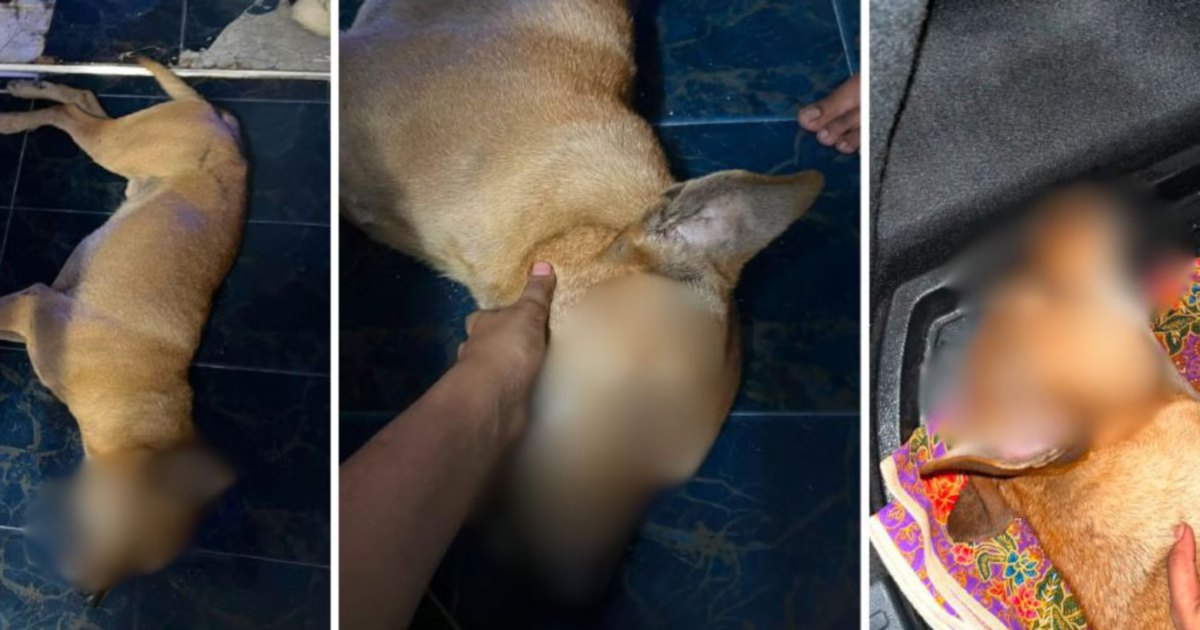
The Selangor Department of Veterinary Services has escalated its investigation into the alleged mistreatment of Rocky by formally lodging a police report and systematically recording statements from individuals connected to the case. The action represents a significant step forward in what has become a high-profile animal welfare matter, signalling the department's commitment to pursuing the matter through both veterinary and criminal justice channels.
The investigation centres on video evidence that circulated online showing Rocky allegedly subjected to abusive treatment. The footage generated considerable public concern and prompted intervention from animal welfare advocates, ultimately triggering formal scrutiny from regulatory authorities responsible for safeguarding animal welfare standards in Selangor.
By involving police through an official report, the DVS has transferred the investigation beyond the scope of administrative and regulatory procedures into the criminal justice system. This dual-track approach allows veterinary experts to assess animal welfare standards while law enforcement authorities can examine potential criminal conduct. The decision underscores the seriousness with which authorities are treating the allegations.
The collection of witness statements represents a methodical investigative approach designed to establish a comprehensive factual record. Multiple individuals with knowledge of Rocky's circumstances, treatment, or care have provided formal accounts to investigators. These statements will form crucial evidentiary foundations for determining what occurred and whether any legal breaches took place.
For Malaysian animal welfare advocates, the DVS's proactive stance demonstrates that authorities can respond swiftly to documented allegations of mistreatment. This approach differs markedly from previous cases where regulatory responses moved slowly or required sustained public pressure to activate formal channels. The precedent established here may influence how similar cases are handled going forward.
The involvement of Selangor's DVS is particularly significant given the state's status as a major economic and population centre. Developments in Selangor frequently influence broader national discourse on animal welfare, regulatory capacity, and enforcement mechanisms. How this case progresses will likely shape public expectations regarding official responses to future allegations of animal abuse.
From a regional perspective, Malaysia's handling of this case comes amid growing Southeast Asian awareness regarding animal welfare standards. Countries across the region increasingly face pressure from domestic and international organisations to strengthen protections for animals. High-profile cases like Rocky's investigation provide opportunities for governments to demonstrate commitment to these standards, potentially influencing regional conversations about regulatory frameworks.
The video evidence that prompted this investigation highlights how digital platforms have transformed animal welfare activism in Malaysia. Content that would previously circulate only within limited circles now reaches vast audiences within hours, generating immediate public engagement and accountability mechanisms. Authorities can no longer ignore documented allegations of mistreatment without facing substantial public criticism.
The DVS investigation also raises broader questions about enforcement capacity and resource allocation within Malaysia's veterinary regulatory framework. Whether the department possesses adequate expertise, staffing, and funding to pursue complex investigations involving potential criminal conduct remains an ongoing consideration for policymakers. The Rocky case will test these institutional capabilities.
For pet owners and animal handlers across Selangor and beyond, this investigation carries implicit messaging about acceptable standards of animal care and treatment. The willingness of authorities to pursue formal criminal investigation sends a clear signal that casual or deliberate mistreatment carries potential legal consequences. This deterrent effect may contribute to improved treatment standards across various sectors involving animal contact.
The police report filed by the DVS creates a formal criminal record that can support potential prosecutions if evidence warrants charges. This documentation establishes an official timeline and institutional commitment to accountability that extends beyond departmental reports or administrative findings. The seriousness with which the police register such matters influences how subsequent investigations unfold.
Moving forward, observers will monitor whether the combination of veterinary investigation and police involvement produces meaningful outcomes. The handling of the Rocky case will establish precedents for how Malaysian authorities balance animal protection objectives with due process requirements, investigative transparency, and accountability to the public. The case's resolution will likely influence regulatory approaches to animal welfare enforcement throughout the country for years to come.

