The Pulai Sebatang state constituency in Johor is gearing up for a significant electoral contest on July 11, with two starkly different campaign philosophies emerging. The race pits Pakatan Harapan candidate Haniff @ Ghazali Hosman against Barisan Nasional incumbent Hasrunizah Hassan, each offering voters competing visions for the coastal district. At stake is not merely a single assembly seat, but broader questions about development priorities that resonate across Malaysia's economically diverse constituencies.
Haniff, a 46-year-old challenger making his third electoral attempt in the region, has positioned himself as an advocate for transformative yet balanced growth. He characterises Pulai Sebatang as an underutilised asset, describing the constituency as a hidden gem whose geographical advantages remain insufficiently exploited. The strategic positioning of the area, encompassing Pontian town and proximity to established economic corridors, creates what Haniff frames as untapped commercial and investment potential. His development philosophy rests on attracting high-quality investments that would generate employment and prosperity for residents without displacing the traditional sectors—particularly fishing and agriculture—that have long anchored the local economy.
Crucially, Haniff's campaign addresses longstanding infrastructure deficiencies that have plagued communities within the constituency. He has committed to tackling compensation disputes affecting fishermen in Pontian Besar, a perennial grievance that reflects broader tensions between development ambitions and the protection of livelihoods dependent on resource extraction. Equally significant are his pledges to resolve chronic drainage problems afflicting farming areas in Parit Datuk, where seasonal flooding disrupts agricultural productivity and quality of life. These specific commitments suggest Haniff has invested effort in understanding hyperlocal concerns rather than relying solely on broader policy platforms.
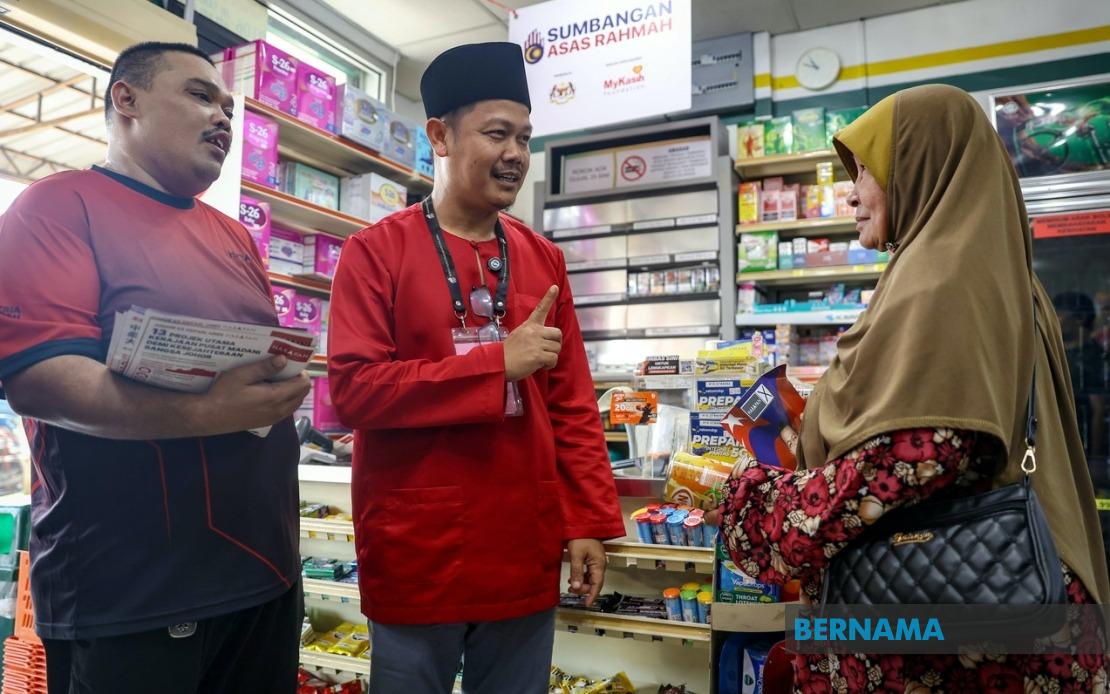
Haniff's campaigning methodology has emphasised direct voter engagement through grassroots walkabouts and house-to-house visits, suggesting an attempt to build genuine connection with constituents rather than depend exclusively on institutional apparatus. He draws confidence from Pakatan Harapan's 2018 performance in the constituency, viewing that historical result as indicative of current sentiment. Preliminary feedback from his field operations, according to the candidate, has been constructive, though the actual transliteration of grassroots enthusiasm into electoral victory remains uncertain in a state where Barisan Nasional maintains structural advantages.
Hasrunizah Hassan, the incumbent who has represented the area since 2022, has framed her campaign around tangible institutional achievements and promises of continuity. The proposed expansion of Pontian Hospital has emerged as a touchstone issue throughout her canvassing, resonating clearly with constituents concerned about healthcare access. Her narrative emphasises that the project has transitioned from planning rhetoric to concrete advancement, with approval now granted for a new hospital block and procurement processes underway. This approach seeks to demonstrate that her tenure has not merely consisted of pledges but has begun translating administrative effort into visible infrastructure.
The incumbent's development agenda includes completing the remaining 25 village road projects from a broader slate of 75 applications her administration has identified since assuming office. This emphasis on incremental infrastructure improvements across dispersed communities reflects a localism focused on connectivity and service delivery within existing spatial patterns, rather than pursuing transformative economic repositioning. Hasrunizah has additionally highlighted continuation of state-level welfare programmes including Kasih Johor assistance, housing aid, and first-home ownership schemes, positioning Barisan Nasional as a custodian of social support mechanisms.
Hasrunizah's campaign strategy has combined traditional campaigning with contemporary digital outreach, reflecting the evolving landscape of Malaysian electoral competition. Her messaging fundamentally invokes a performance-based argument: that Barisan Nasional's track record justifies renewal of electoral confidence. The implicit contract she presents to voters frames the previous term as demonstrating capacity and commitment, with continued governance promising consolidation of these achievements rather than radical reorientation.
Support for Hasrunizah from higher-profile Barisan Nasional figures underscores institutional backing. Pontian Member of Parliament Datuk Seri Ahmad Maslan publicly endorsed both Hasrunizah and Benut state candidate Datuk Mohd Sumali Reduan, characterising them as locally grounded representatives possessing strong educational credentials and established track records. Ahmad's comments reflected confidence in Barisan Nasional's election machinery and momentum heading toward the polling date, though such pronouncements become particularly significant in constituencies where incumbent parties cannot assume automatic victory.
The contest fundamentally represents a choice between two interpretive frameworks for regional development. Haniff's approach envisions leveraging geographical and strategic advantages to attract investment while maintaining protections for traditional sectors, suggesting that prosperity need not come at the expense of established livelihoods. Hasrunizah's framework emphasises methodical completion of identified infrastructure priorities and preservation of social support programmes, implying that voter satisfaction derives from delivered services and reliable governance rather than transformative economic reinvention.
For Malaysian observers, the Pulai Sebatang race exemplifies tensions apparent across Southeast Asian electoral contests: whether development should prioritise rapid structural transformation or incremental improvement within existing frameworks. The demographic and economic composition of the constituency—encompassing both commercial fishing communities and agricultural districts alongside proximity to urban growth areas—makes it emblematic of constituencies navigating the complex intersection of traditional resource-based economies and contemporary urbanisation pressures.
Early voting commenced on July 7, with the main polling date set for July 11. The constituency's ultimate outcome will reflect voter assessment of whether Hasrunizah's demonstrated administrative engagement and social support emphasises merits renewal, or whether Haniff's transformation narrative and targeted infrastructure pledges offer a more compelling vision for Pulai Sebatang's future.

