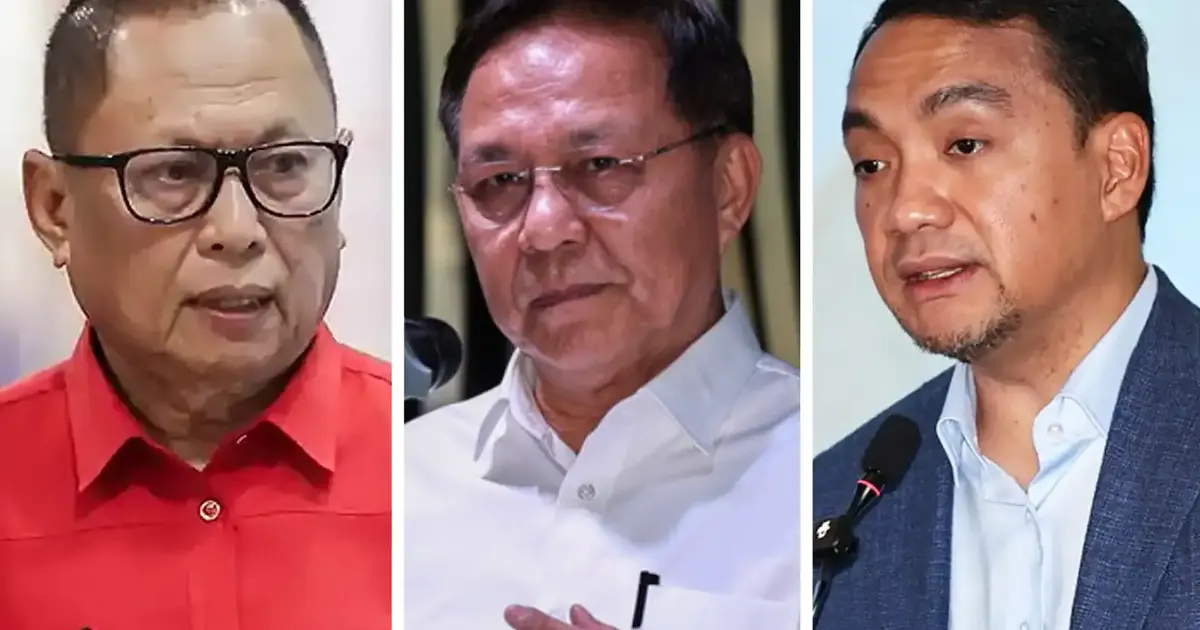
The recent departure of a prominent Johor Umno leader has thrust the complex relationship between the state branch and its national parent organisation back into public scrutiny, underscoring persistent tensions over internal governance and decision-making authority that have periodically surfaced over the past decade. The resignation event echoes earlier episodes in which Johor Umno has sought to assert distinct positions on party matters, raising familiar questions about how much independence regional branches can or should exercise within a hierarchical national political structure.
Political observers point out that while formal procedures and constitutional mechanisms exist to provide legitimacy to party decisions, the line between legitimate governance and interference remains contested and inherently subjective. An analyst noted that the granting of royal assent itself does not automatically constitute meddling in party affairs—such formal endorsements are standard procedure in Malaysian politics and typically carry significant weight given the constitutional role of the Malay rulers in the nation's political system. However, this technical compliance with procedure does not automatically resolve deeper questions about the spirit and intent behind contested decisions.
The situation highlights what observers describe as a delicate equilibrium that must be carefully navigated by all stakeholders involved. The nature of this boundary becomes particularly nuanced when considering that Umno operates within a federated system where state branches have their own structures, memberships, and historical identities, yet remain subordinate to national party governance. Johor's case is distinctive because the state has long maintained a relatively strong organisational presence and distinct political culture within the broader Umno framework, which periodically generates friction when national directives clash with local preferences or interpretations.
Understanding the root of such tensions requires examining how Malaysian political parties balance centralised authority with regional autonomy. The federal structure of Umno theoretically allows state-level flexibility, yet the party's hierarchical nature means that decisions made at the national level can significantly impact local operations and personnel. This structural reality creates recurring scenarios where state leaders must either align with national directives or risk marginalisation, a dynamic that other major political parties in Malaysia also experience to varying degrees.
For Johor specifically, these dynamics carry particular weight given the state's political significance and its historical importance within Umno's organisational framework. The state has been a traditional stronghold for the party, and its internal stability has ramifications that extend beyond state politics into national party calculations. When prominent Johor Umno figures resign or publicly distance themselves from leadership decisions, the episode reverberates through political networks across the peninsula and shapes perceptions about party unity and decision-making legitimacy.
The broader Southeast Asian context also provides perspective on these dynamics. Regional political parties across Thailand, Indonesia, and the Philippines frequently grapple with similar tensions between national party discipline and regional branch autonomy. Malaysia's approach—embedded within constitutional monarchy frameworks and federal structures—reflects particular institutional features, yet the underlying challenge of balancing unity with diversity remains universally recognisable in multi-level party organisations operating across geographically dispersed membership bases.
Analysts emphasise that respecting the delicate boundary between appropriate governance and overreach requires transparency about decision-making processes and genuine consultation with affected stakeholders. When state-level leaders feel their concerns have been dismissed or when procedures appear to bypass normal deliberative channels, resentment accumulates and manifests in resignations or public challenges. The resignation in question should thus prompt internal reflection about whether current governance mechanisms adequately represent the interests and perspectives of state-level membership and leadership.
The timing of such episodes also merits consideration, as they often coincide with broader political realignments or succession questions at the national level. Johor Umno members and observers may interpret recent developments through multiple lenses—as genuine policy disagreements, personality conflicts, or struggles over power distribution within expanding or contracting political opportunities. Distinguishing between these interpretations requires careful attention to statements, documented positions, and the historical context of relationship dynamics between particular national and state leaders.
Moving forward, the episode invites all Malaysian political parties to examine their internal governance structures and conflict resolution mechanisms. Healthy political organisations require mechanisms that allow legitimate debate at multiple levels whilst maintaining cohesion around shared strategic goals. For Umno specifically, the Johor experience suggests value in revisiting how the party handles state-level concerns, whether procedures adequately reflect consultation principles, and whether dissenting voices receive fair hearing before final decisions are implemented.
The resignation ultimately reflects broader questions about democracy and accountability within Malaysian political structures. Whilst royal assent provides constitutional legitimacy to many party decisions, legitimacy in the broader sense requires that processes feel fair and that stakeholders believe their perspectives have been genuinely considered. As Malaysia's political landscape continues evolving, particularly amid generational transitions within major parties, these questions of internal governance and regional autonomy will likely persist as significant factors shaping party stability and coherence across the peninsula.

