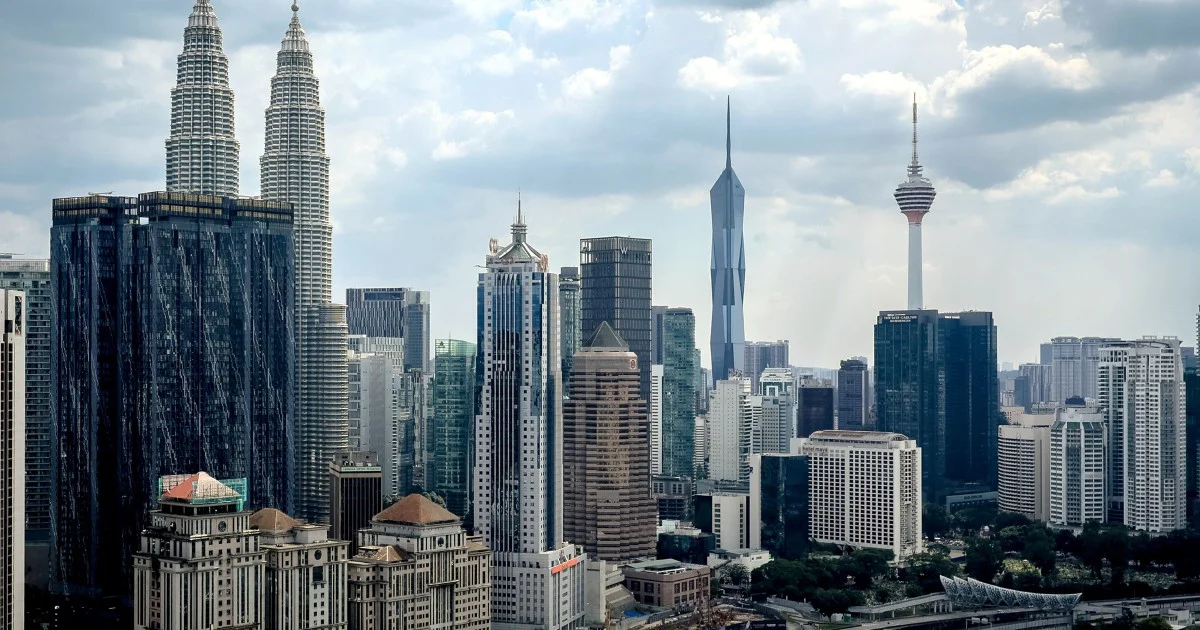
Malaysia's Ministry of Investment, Trade and Industry (Miti) has moved to reassure the business community that ongoing political speculation and mounting chatter about the timing of the 16th general election are not proving to be decisive factors in foreign investors' calculations about the country. The statement comes as the nation continues to experience a period of political transition and uncertainty, with both domestic and international observers keenly watching how electoral developments might reshape the investment landscape across Southeast Asia's third-largest economy.
In recent months, foreign direct investment flows into Malaysia have remained subject to various pressures, ranging from regional competition for manufacturing relocations to broader concerns about commodity prices and technology sector dynamics. The ministry's position suggests that rather than electoral timing dominating boardroom conversations, multinational corporations and institutional investors are focusing on more tangible factors such as regulatory frameworks, infrastructure quality, workforce capabilities, and sectoral opportunities. This assessment carries particular significance given Malaysia's historical dependence on foreign capital to drive economic growth and diversification away from commodity reliance.
The distinction Miti draws between speculation and substance is noteworthy. While political stability as a concept registers as important for investors evaluating long-term commitments, the day-to-day commentary surrounding electoral possibilities appears to be treated as background noise by serious investors. This suggests that multinational decision-makers are sufficiently sophisticated to distinguish between temporary political jostling and fundamental shifts in investment climate. The ministry's reading of investor sentiment implies that so long as Malaysia maintains basic institutional continuity and predictable governance structures, fluctuations in electoral timing alone should not trigger major capital flight or reduced commitments.
Yet this interpretation warrants deeper examination. Investors often calibrate their decisions across multiple time horizons, and what matters for a three-year manufacturing investment differs materially from considerations for a twenty-year infrastructure concession or technology partnership. A company planning to establish a regional headquarters or major production facility typically requires visibility not just into immediate policy stability but into medium-term political continuity. The ministry's framing perhaps underestimates how investors in sectors like semiconductors, automotive components, or digital services factor in broader governance reliability when choosing between competing Southeast Asian destinations such as Vietnam, Thailand, or Indonesia.
The regional competitive context adds urgency to Malaysia's messaging. Vietnam has aggressively courted multinational manufacturers fleeing China and seeking diversification of supply chains. Thailand has invested heavily in Special Economic Zones and infrastructure connectivity. Indonesia's scale and market size present an attractive counterweight to smaller national economies. Against this backdrop, Malaysia must compete not merely on its own merits but by demonstrating that its political system, whatever its rhythms and cycles, remains fundamentally sound and business-friendly. Any perception that electoral uncertainty is undermining policy coherence or creating institutional confusion could cede advantage to rival nations.
Miti's assessment also reflects a broader strategic communication objective. By publicly stating that political speculation is not a primary investor concern, the ministry seeks to inoculate Malaysia against self-fulfilling prophecies. If foreign investors believed that political uncertainty was deterring their peers, reduced capital flows could materialize regardless of actual investor sentiment. Conversely, official confidence in the fundamentals can help stabilize market perceptions and bolster investor appetite. This is especially relevant for institutional investors and portfolio managers who monitor government statements as signals of policymaker confidence in their own environment.
The emphasis on political stability as a considered but secondary factor also implies something important about Malaysia's actual institutional strength. Unlike nations where political transitions directly correlate with wholesale policy reversals or sudden investment climate deterioration, Malaysia has established enough bureaucratic continuity and legal frameworks that changes of government need not trigger immediate economic disruption. This institutional resilience is a competitive asset that the ministry is effectively highlighting. Successive administrations, despite differing ideological priorities, have generally maintained pro-foreign-investment stances and honoured contractual commitments to international businesses.
However, the ministry's reassurance must be tested against actual investment data and investor commentary. Over recent years, Malaysia's share of regional foreign direct investment has faced pressure. Tracking whether investment commitments, approvals, and capital inflows remain robust in the quarters ahead will provide the true measure of whether political factors remain truly peripheral or are silently influencing decisions at the margins. Sectoral breakdowns will matter too: technology and high-value manufacturing may prove more sensitive to political considerations than resource extraction or established manufacturing sectors.
Looking forward, Malaysia's investment authorities face the task of maintaining investor confidence through clear, consistent messaging about the country's commitment to macroeconomic stability, transparent regulation, and business-enabling governance. While Miti's downplaying of electoral speculation may reflect genuine investor sentiment among major decision-makers, policymakers would be prudent to avoid complacency. Investors are ultimately rational actors calibrating risk and opportunity. Any perception that Malaysia's political institutions are weakening, that regulatory predictability is eroding, or that policy reversals are becoming more frequent could swiftly alter investment calculations, regardless of current reassurances.