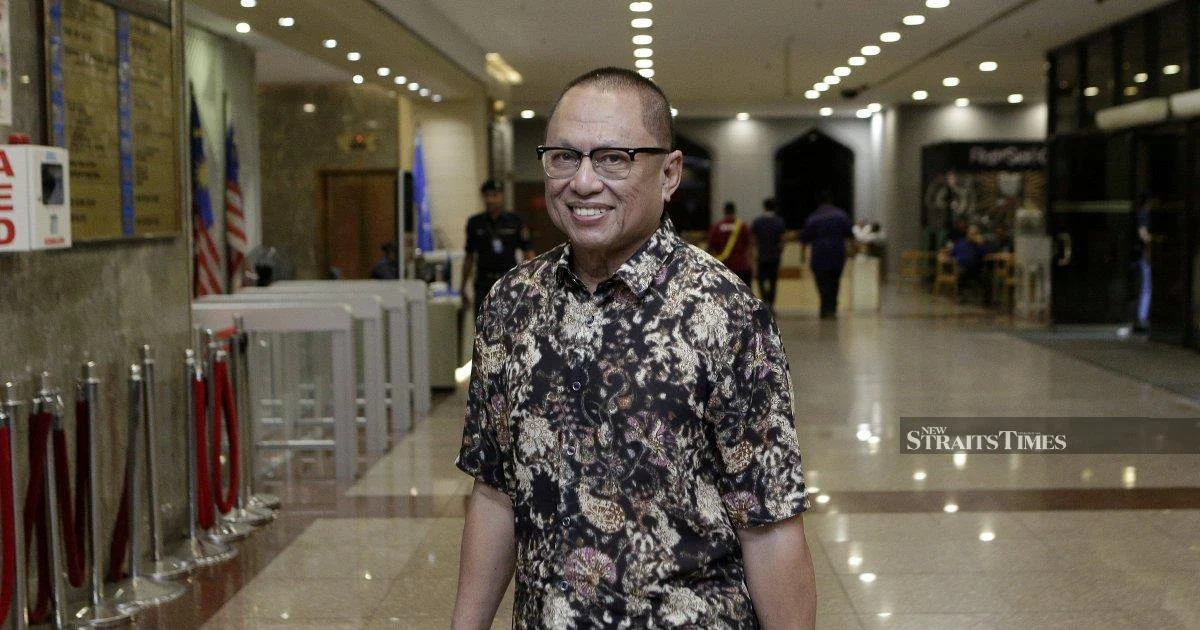
Police have opened a formal investigation into controversial statements attributed to former Umno veteran Datuk Dr Mohd Puad Zarkashi on social media platforms, after members of the public filed 153 reports across the country in rapid succession. The decision to launch a probe marks a significant escalation in the public response to the remarks, with the sheer volume of complaints suggesting the comments have triggered considerable concern within Malaysian society and touched on sensitive national sensibilities.
The 153 reports filed nationwide underscore the polarising nature of Zarkashi's alleged remarks, with citizens from various communities and states mobilising to lodge formal complaints with authorities. Such widespread reporting activity, concentrated within a single day, indicates that the statements resonated strongly beyond typical political circles and reached ordinary Malaysians who felt compelled to take action. This spontaneous surge of public reporting reflects underlying social tensions and demonstrates how rapidly contentious remarks can escalate from social media discourse into matters requiring law enforcement intervention.
Zarkashi, a seasoned figure within Umno and the broader Malaysian political establishment, carries significant weight as a former party veteran whose statements carry considerable symbolic import. His background and stature mean that any controversial public utterances attract amplified attention, particularly when they touch upon matters considered fundamental to national identity or social harmony. The decision by police to formally investigate suggests that authorities have determined the allegations warrant official scrutiny rather than dismissive treatment.
The choice of social media as the platform for these alleged statements reflects contemporary political communication dynamics in Malaysia, where influential figures increasingly bypass traditional media gatekeepers to address audiences directly. However, this direct approach also means that statements escape editorial filtering and can spread rapidly across networks before authorities or fact-checkers can intervene. The viral nature of social media commentary means that alleged offensive or controversial remarks can quickly accumulate complaints and trigger official responses.
Investigations of this nature raise important questions about the balance between protecting free expression and maintaining social cohesion in Malaysia's diverse society. The country has experienced historical episodes of communal tension, and many Malaysians remain vigilant about remarks that could exacerbate divisions. Police must determine whether the alleged statements constitute legitimate political commentary or cross thresholds into incitement or disrespect toward protected societal interests.
The investigation process will likely examine the context, exact wording, and intended audience of Zarkashi's remarks, as well as their broader impact on social discourse. Authorities will need to assess whether the statements violated existing laws governing sedition, religious sensitivity, or public order, or whether they represented permissible political expression that generated complaints despite remaining within legal bounds.
For Umno and Malaysia's broader political landscape, the investigation introduces uncertainty around one of the party's established figures at a time when the party itself navigates shifting coalitional dynamics and internal consolidation efforts. The spotlight on Zarkashi's statements could influence how Umno leadership manages such situations and whether the party implements internal mechanisms to counsel members about public communication standards.
The speed with which the 153 complaints were lodged suggests coordinated awareness and potentially organised mobilisation around the issue, raising questions about whether reporting activity reflected spontaneous public outrage or strategically encouraged complaints. Either scenario illuminates the volatile nature of political communication in contemporary Malaysia, where statements by prominent figures can immediately catalyse organised public response.
As the investigation progresses, authorities will need to navigate sensitivities around free speech and political discourse while addressing legitimate public concerns about statements perceived as threatening to national harmony. The outcome of the police inquiry will likely establish precedents for how similar situations are handled in future, potentially shaping boundaries for political expression among senior figures across the Malaysian political establishment.

