PNB Merdeka Ventures Sdn Bhd has stepped forward with an ambitious cultural initiative designed to bridge the generational gap in Malaysia's national consciousness. The launch of 'GAPAI', the entity's inaugural Merdeka-themed film production, represents a deliberate attempt to make Malaysia's founding story resonate with audiences who may feel distant from the nation's historical moorings. Rather than relying on traditional historical documentation, PNBMV has chosen the medium of film to communicate the enduring significance of independence to those born well after 1957, recognising that emotional connection often proves more persuasive than textbook recitations.
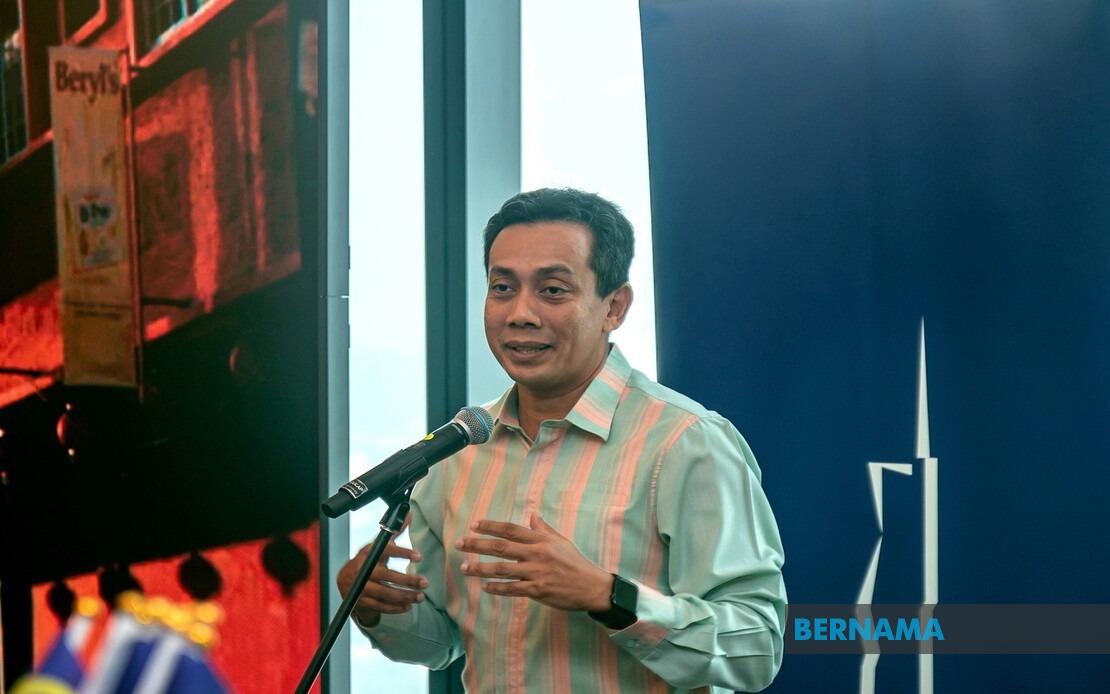
Datuk Dr Izwan Ibrahim, who leads PNBMV as chief executive officer, articulated the philosophical underpinning of this initiative during the announcement. He positioned the organisation not merely as a custodian of physical monuments but as an active steward responsible for ensuring Malaysia's historical narrative remains vibrant and relevant. This distinction matters significantly for Malaysian civic discourse, as it suggests that heritage preservation extends beyond brick-and-mortar conservation into the realm of cultural interpretation and intergenerational transmission. His remarks underscore a growing recognition among Malaysian institutions that passive preservation often fails to engage younger demographics unless deliberately contextualised within their contemporary lived experience.
The location chosen for this endeavour carries symbolic weight. Merdeka 118, the iconic development that now dominates Kuala Lumpur's skyline, occupies the very ground where Malaysian independence was proclaimed in 1957. For PNBMV, this geographical coincidence transforms the precinct into something more than a commercial or recreational destination. Each visit becomes potentially charged with historical meaning, a tangible reminder of the moment Malaysia's founding fathers declared the nation's emergence. This narrative positioning seeks to infuse a modern urban space with layered significance, compelling visitors to reflect upon where contemporary Malaysia has travelled since that foundational moment and to contemplate the trajectories that brought the nation to its present juncture.
The film itself will begin circulation through Merdeka 118's social media channels from August 25 onwards, employing digital distribution channels that naturally align with how younger audiences consume cultural content. This methodological choice acknowledges the reality of modern media consumption patterns, where traditional broadcast platforms reach diminishing returns among Gen Z and younger millennial demographics. By leveraging social media infrastructure, PNBMV ensures the film can accumulate organic reach through shares and commentary, potentially sparking broader conversations about national identity beyond the institution's direct control.
Complementing the film launch, the Merdeka 118 precinct will host an expansive three-day celebration spanning August 29 through August 31 in collaboration with LOCCO. This extended programme moves beyond a single commemorative event into a sustained experiential offering. The Merdeka Community Bazaar component provides opportunities for commercial activity and grassroots engagement, potentially drawing diverse demographic participation. Simultaneously, the structured inclusion of cultural and heritage activities acknowledges that meaningful connection to national identity requires more than passive consumption; it demands participatory involvement where individuals actively engage with symbols, narratives, and expressions of Malaysian culture.
The Merdeka Flashmob and WarisanKL Explorace elements inject contemporary cultural performance and gamified exploration into proceedings, suggesting an understanding that heritage engagement must accommodate modern sensibilities. Flashmobs, as spontaneous public performances, carry an element of surprise and social media amplification potential that traditional commemorative ceremonies often lack. The explorace format—combining exploration with competitive elements—transforms engagement with heritage into something dynamic and rewarding, rather than obligatory. These design choices reflect sophisticated thinking about how to make historical consciousness appealing to audiences resistant to formal, solemnly presented historical material.
The Merdeka Textile Museum's extended free access programme from August 22 through September 30 extends the celebratory window well beyond the intensive three-day festival. This staggered approach recognises that not all interested parties can converge during concentrated festival periods; the extended timeframe accommodates those with varying schedules and travel constraints. The textile museum focus itself carries particular resonance in a Malaysian context where traditional cloth production represents a significant thread in the nation's cultural heritage. Batik, songket, and other regional textile traditions constitute living expressions of Malaysia's diverse communities, making a dedicated textile institution an apt venue for exploring national identity through the intersection of craft heritage and artistic expression.
For Malaysian readers and regional observers, this initiative represents something broader than institutional heritage marketing. It signals growing awareness among major Malaysian organisations that passive nostalgia for independence-era narratives fails to sustain national cohesion across generational lines. The explicit targeting of younger audiences suggests that custodians of Malaysia's foundational narratives recognise a potential risk: that without active, creative engagement, the independence story risks becoming historical abstraction rather than living inspiration. This concern carries particular salience in Southeast Asia's contemporary political landscape, where competing narratives about national purpose and identity frequently shape policy direction and public sentiment.
The timing of this launch during the National Month period proves deliberate and rhetorically significant. National holidays often function as obligatory observances unless institutions invest effort in rendering them meaningfully experiential. By anchoring the 'GAPAI' film and associated celebrations within the August calendar, PNBMV positions these cultural productions as central to National Month's purpose rather than peripheral attractions. This structural integration potentially amplifies their reach and cultural authority, positioning the narrative about Malaysia's historical consciousness as a matter of national significance rather than specialised heritage concern.
Moreover, the initiative reflects broader Southeast Asian patterns concerning heritage management and national identity formation. Across the region, emerging middle classes and younger, education-focused demographics increasingly expect cultural institutions to employ sophisticated communication strategies rather than relying on traditional authority alone. Malaysia's approach through PNBMV thus positions the nation alongside regional peers who similarly invest in creative interpretation of founding narratives for contemporary audiences. This comparative positioning matters for Malaysia's soft power positioning within the region, as demonstrated cultural maturity and institutional innovation in heritage presentation contribute to national prestige and regional influence.

