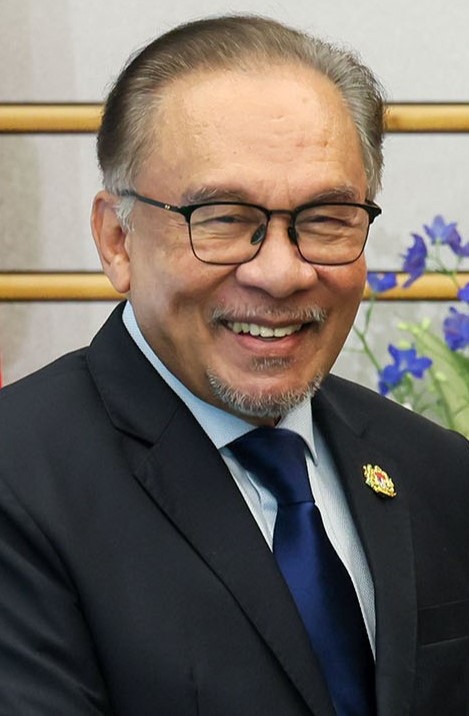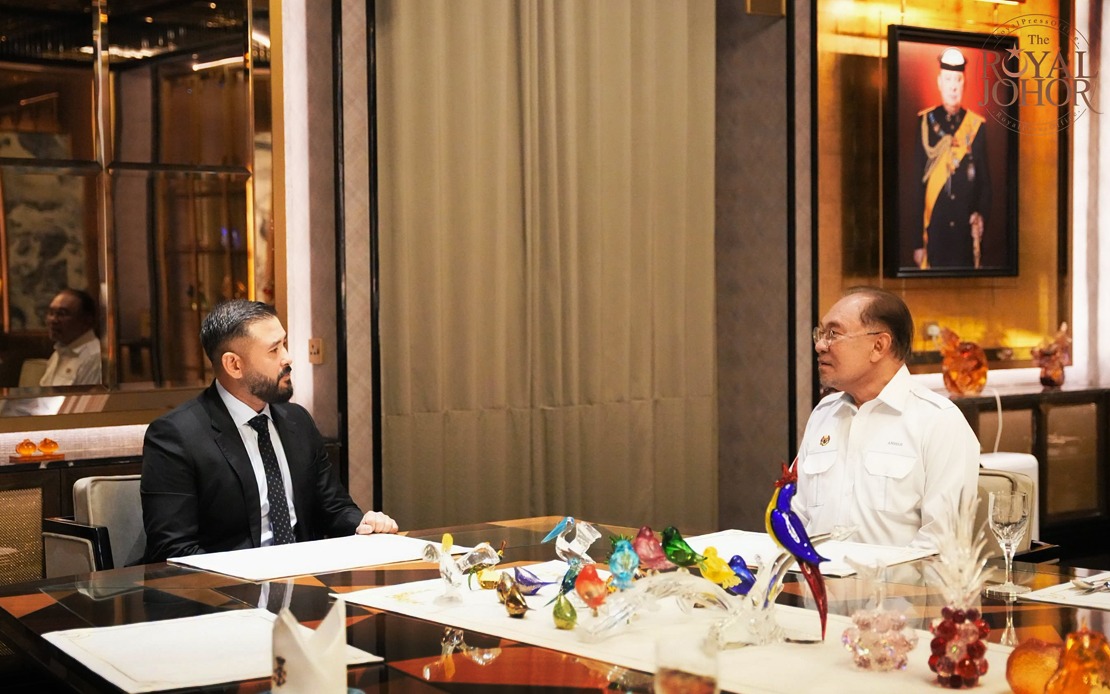
Prime Minister Datuk Seri Anwar Ibrahim has publicly expressed his appreciation to the Regent of Johor, Tunku Mahkota Ismail, for a recent courtesy visit and the gesture of goodwill it represented. Speaking at a Pakatan Harapan event in Tangkak on June 22, Anwar indicated that the meeting itself served as a meaningful statement about maintaining proper relations between the federal government and the state's royal establishment, particularly during a period of heightened political activity in Johor.
The timing of Anwar's remarks proved significant, as they were delivered during the formal announcement of PH candidates for the 16th Johor state election at Padang Bukit Gambir Extreme Park. The event drew senior coalition figures including DAP secretary-general Anthony Loke Siew Fook and Amanah president Datuk Seri Mohamad Sabu, underlining the importance Anwar attached to the political messaging surrounding his interaction with Tunku Mahkota Ismail. Rather than allowing speculation about the nature of high-level royal audiences, the Prime Minister chose to address the matter directly before party workers and media.
Anwar used the occasion to issue a broader rebuke to what he characterised as petty political campaigns, particularly those attempting to invoke the names and authority of Malaysia's monarchs for partisan advantage. His criticism appeared aimed at opponents who he suggested lacked courage to engage in legitimate political debate yet sought to leverage royal prestige for electoral purposes. This framing allowed Anwar to position himself as a defender of constitutional propriety and royal dignity, qualities that resonate with Malaysian voters who place high value on respect for the institution of the monarchy.
During the audience with Tunku Mahkota Ismail, Anwar explained that he had utilised the meeting to brief the Regent on federal development projects and initiatives benefiting the Johor population. This approach reflected a deliberate strategy of transparency regarding his interactions with state-level royal authorities, suggesting that meetings between the Prime Minister and royal personages should be matters of public record rather than sources of speculation or political controversy. By detailing the substantive business discussed, Anwar sought to demonstrate that such audiences served practical governance purposes.
Anwar's comments also underscored his administration's commitment to maintaining harmonious relations with Malaysia's traditional rulers. He noted that Pakatan Harapan, as the party directing the federal government, recognised the importance of consulting with and respecting the views of Malay Rulers across the country. This emphasis on deference to royal counsel represents a significant element of Malaysia's constitutional monarchy framework, where monarchs possess considerable symbolic authority and legitimate channels for offering guidance to elected officials.
The Prime Minister elaborated on the character of his engagements with the various sultans, acknowledging that these relationships inevitably involve instances of both agreement and disagreement. Rather than viewing such divergences as problematic, Anwar characterised them as natural features of a functioning constitutional system in which both elected government and hereditary rulers maintain appropriate independence while remaining mutually accountable. He emphasised that his administration listens seriously to royal perspectives, even when they do not align perfectly with government positions.
Anwar extended his comments to encompass his relationship with Yang di-Pertuan Agong Sultan Ibrahim, the King of Malaysia. He described a framework of respectful exchange in which the government offers its counter-views to royal observations while ultimately respecting the advice offered by the nation's paramount ruler. This layered approach to royal consultation reflects the complexity of Malaysia's political system, which balances the prerogatives of elected government with the constitutional role of the monarchy.
Crucially, Anwar insisted that regardless of occasional problems or substantive disagreements between the government and the royal institution, the proper response remained consultation, formal audience-seeking, and thorough explanation of government positions. This procedural commitment, he argued, had always characterised his personal approach and represented the collective stance of Pakatan Harapan. By framing protocol and mutual respect as non-negotiable elements of governance, Anwar positioned his administration as custodian of constitutional traditions.
The episode reflects broader tensions within Malaysian politics regarding the appropriate role of the monarchy in electoral campaigns and public discourse. Johor, as a state with a particularly prominent and visible Regent, presents a distinctive context in which royal-governmental relations carry heightened political salience. The meeting between Anwar and Tunku Mahkota Ismail inevitably sparked speculation among political observers, necessitating the Prime Minister's clarification and defence of standard protocols.
For Malaysian readers, Anwar's intervention carries implications for how the federal government intends to approach state-level governance and royal relations during the coming election cycle. His insistence that royalty should remain insulated from partisan campaigning establishes a baseline expectation for all political actors, even as implementation of such norms remains inconsistent across the country. The statement also demonstrates the continued centrality of the monarchy to Malaysia's political identity, even for a modern, reform-oriented administration.
The convergence of Anwar's remarks with candidate announcements for the Johor state election suggests that his administration regards demonstrated respect for the Regent as integral to its political positioning in the state. By publicly thanking Tunku Mahkota Ismail and defending the sanctity of royal institutions, Anwar potentially reinforces Pakatan Harapan's claim to respect traditional Malaysian governance frameworks whilst pursuing substantive reform. This dual positioning—simultaneous respect for monarchy and commitment to democratic renewal—represents a recurring theme in Malaysian political discourse.