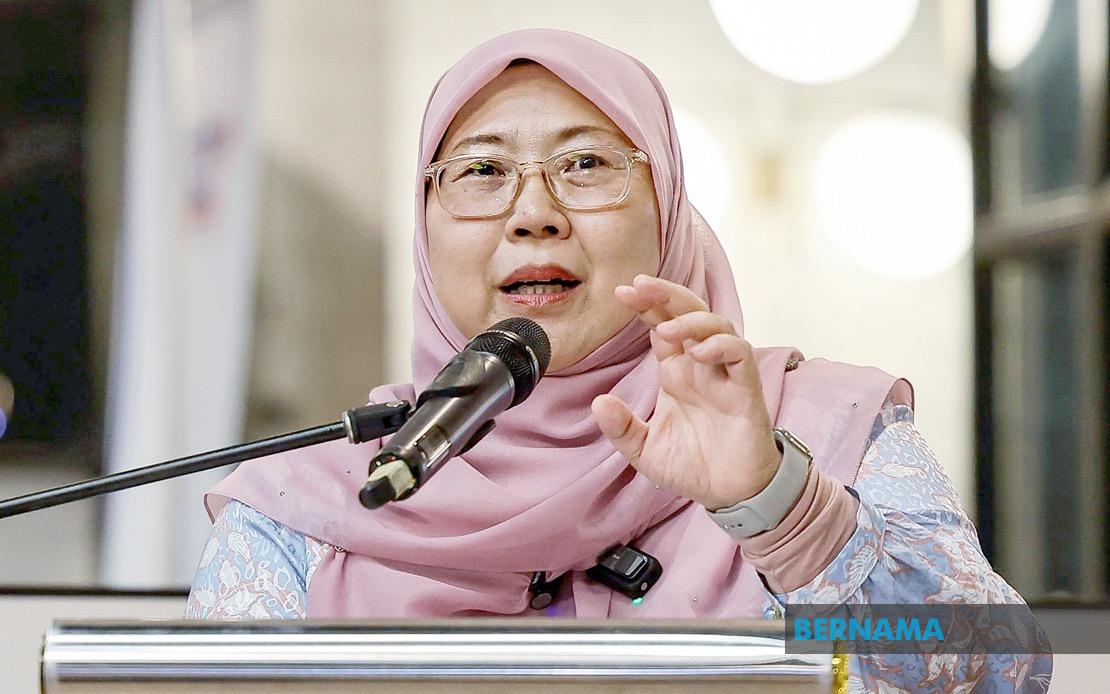
PKR and its coalition partner Pakatan Harapan have signalled flexibility regarding how member parties approach the 16th Negeri Sembilan State Election, with party officials acknowledging that different political strategies are natural during state-level contests. The position, outlined by PKR secretary-general Datuk Dr Fuziah Salleh in Seremban this week, reflects the coalition's pragmatic stance as campaigning intensifies ahead of polling day on August 1, following the dissolution of the 36-seat state assembly on June 5.
While respecting the autonomy of coalition partners to chart their own electoral paths, PKR has nonetheless underscored that any political manoeuvres at the state level must ultimately serve the interests and aspirations of Negeri Sembilan's residents. This framing attempts to reconcile the reality of multi-party coalition politics—where individual parties sometimes pursue distinct strategies—with the need for a unified public message. The statement suggests that PKR views such tactical differences not as fractures within the alliance but as inevitable features of democratic politics where parties retain organisational independence.
Fuziah, who serves as Deputy Domestic Trade and Cost of Living Minister in the federal government, emphasised that PKR's core focus remains addressing tangible concerns affecting ordinary Negeri Sembilan voters. The party's stated priorities encompass cost-of-living pressures, economic opportunity creation, equitable regional development, and ensuring government accountability through transparent and honest administration. These themes reflect both PKR's ideological positioning within the Pakatan Harapan coalition and the broader economic anxieties that have dominated Malaysian politics since the pandemic, particularly inflation and wage stagnation that continue affecting household budgets across the country.
The minister's remarks underscore a strategic calculation by PKR that emphasising bread-and-butter governance issues—rather than deepening internal coalition management discussions—serves the party's electoral interests better. By repositioning potential disagreements over electoral strategy as merely different tactical approaches united by shared values, PKR seeks to project cohesion to voters while maintaining internal party flexibility. This approach acknowledges that state elections in Malaysia's federal system sometimes require localised responses that may not align perfectly with national coalition positions.
Fuziah characterised political strategy divergence during state contests as unremarkable, invoking the classical definition of politics as the art of the possible. This framing normalises the reality that parties within coalitions may favour different candidate selections, seat-sharing arrangements, or campaign emphases depending on local dynamics, historical performance, and demographic considerations. In Negeri Sembilan's case, such variations might reflect differing assessments of which issues resonate most strongly in particular constituencies or which candidates command strongest grassroots support.
The PKR leadership has issued what amounts to a disciplinary instruction to party structures across Negeri Sembilan, calling for focus, organisational discipline, and determined mobilisation to retain voter confidence and defend the Pakatan Harapan's state-level mandate. This directive reflects concerns that coalition members might otherwise become distracted by internal negotiations or public disagreements over strategy that could undermine overall electoral performance. The emphasis on party discipline suggests PKR is conscious of the risks when multi-party coalitions air their differences publicly during campaign periods.
The Election Commission has scheduled early voting for July 28, providing a compressed campaign period that intensifies the stakes for all parties competing in Negeri Sembilan. This timeline means that parties must execute their respective strategies efficiently while maintaining coalition messaging discipline. For PKR, this presents a particular challenge: demonstrating organisational competence and electoral viability while avoiding public disputes that could suggest the Pakatan Harapan coalition is fractious or poorly coordinated.
Negeri Sembilan's political significance extends beyond its 36 state seats. The state serves as a barometer for coalition performance in Malaysia's heartland, with results carrying implications for federal-level calculations about the Pakatan Harapan government's grassroots support. An underperformance in Negeri Sembilan could amplify questions about the coalition's resilience ahead of future national elections, making even a state poll outcome strategically important for national political leaders assessing their prospects.
The PKR statement also implicitly addresses potential coalition partners who might harbour concerns about party autonomy within the broader Pakatan Harapan framework. By explicitly affirming respect for individual parties' strategic choices, PKR signals that membership in the coalition does not require surrendering independent decision-making on electoral matters. This reassurance may be particularly relevant for smaller coalition partners who might otherwise feel constrained by larger parties' preferences or worry that their voices would be marginalised in strategy discussions.
Looking forward, PKR's emphasis on governance outcomes—cost of living, development equity, administrative integrity—rather than purely electoral mechanics suggests the party's campaign will attempt to pivot voter attention toward performance metrics and policy delivery. This strategy assumes that voters will reward the incumbent Pakatan Harapan-led state government based on perceived improvements in their material circumstances and confidence in state administration. Whether this emphasis proves electorally effective depends significantly on whether Negeri Sembilan residents perceive tangible benefits from the state government's tenure since the 2018 transition that brought Pakatan Harapan to power nationally.

