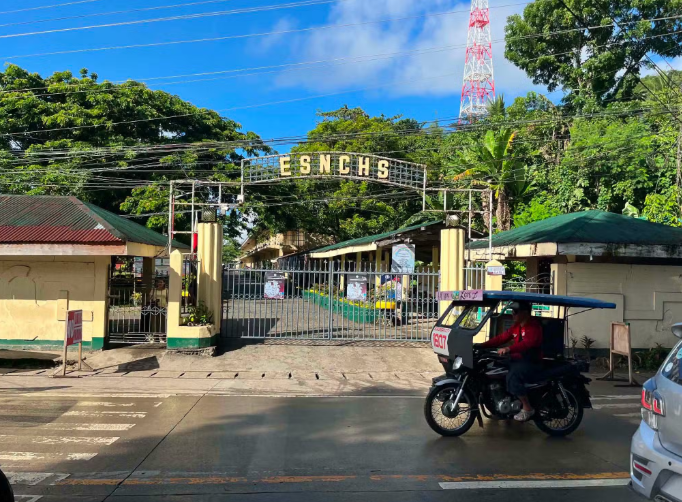
Eastern Samar National Comprehensive High School in Borongan City shuttered its doors on Friday after administrators received an online post containing threats of violence involving bombs and firearms. The alleged post, reportedly circulated by students from the Grade 11 Kitchen Operations programme, prompted swift action from school leadership and law enforcement agencies concerned about potential danger to the student body and staff.
The timing of the threat could hardly have been more sensitive. Just days earlier, a gunman had opened fire at San Jose National High School in Tacloban City on June 22, leaving three students dead and 20 others wounded. That tragedy had already set the region's schools and officials on high alert, with many institutions reviewing safety protocols and requesting increased police presence on campuses. In this charged atmosphere, the online threat at Eastern Samar National Comprehensive High School was taken with utmost seriousness.
The school's acting principal, Dean Ernest Paul Hermano, issued a formal order suspending classes following consultation with the Borongan City Police Station, which had recommended the precautionary measure. This decision reflected coordination between multiple administrative layers, including the Office of the Schools Division Superintendent and the Assistant Schools Division Superintendent within the Department of Education's Borongan City Division. The breadth of institutional involvement underscored how seriously Philippine authorities were treating school safety in the aftermath of the Tacloban shooting.
Responsed to the threat was immediate and comprehensive. Police deployed a Special Weapons and Tactics team to the campus to conduct a thorough search of areas where the threatening photographs had allegedly been taken. Officers systematically inspected facilities and grounds, working to verify whether any actual explosive devices or firearms were present on school property. The operation continued through the morning hours as concerned parents and students waited for authorities to complete their assessment.
By 8:35 a.m. on Friday, PLTCOL Silver Cabanillas, acting chief of the Borongan City Police Station, officially declared the campus secure and free from any credible bomb or gun threats. The clearance allowed some reassurance to settle over the school community, though the underlying questions about who had posted the threats and why remained unanswered. Investigators had yet to identify the individual or individuals responsible for the online message, and their inquiry was continuing at the time of the suspension.
In its official statement, the school administration sought to balance transparency with reassurance. The statement emphasised that Eastern Samar National Comprehensive High School takes all security threats with the utmost seriousness and has committed to full cooperation with law enforcement during the investigation. Officials pledged to maintain a safe learning environment for all students and staff while accountability measures were pursued. The careful wording reflected awareness that parents throughout the region were growing anxious about campus safety.
The incident illustrated how the reverberations of the Tacloban City shooting had spread anxiety across Eastern Visayas. Schools and municipal governments throughout the region had begun implementing stricter security measures in response to that attack, including enhanced police patrols near campuses and updated emergency protocols. Each new threat, whether credible or not, served to heighten tensions and prompt fresh security reviews.
Eastern Samar National Comprehensive High School itself carries particular weight within its province. As the largest public secondary institution in Eastern Samar and the province's flagship high school, it serves thousands of students drawn from Borongan City and surrounding municipalities. Its closure, even temporarily, disrupted education for a substantial portion of the region's secondary student population and sent ripples through families across multiple communities.
The broader pattern was concerning to authorities. The latest threat represented one of several school-related security incidents reported across Eastern Visayas in the preceding days, suggesting that either genuine security anxieties were prompting individuals to issue threats, or that the climate of fear following the Tacloban shooting was encouraging harmful copycat behaviour. Police and education officials found themselves navigating the difficult challenge of taking all threats seriously while attempting to distinguish genuine dangers from hoaxes or misguided pranks.
In response to the escalating incidents, authorities issued a public appeal urging citizens to refrain from sharing unverified information online about alleged threats, warning that spreading rumours could compound panic and divert police resources from genuine investigations. They also called on the public to report any credible threats immediately to law enforcement for proper assessment and action rather than circulating them through social media channels. The appeal reflected frustration with how digital communication could amplify fear and potentially inspire copycat incidents.
For Malaysia and other Southeast Asian nations, the Philippine experience offers sobering lessons about the vulnerability of school campuses to violence and the cascading effects that one serious incident can have across an entire region. The Tacloban shooting and its aftermath demonstrated how quickly security anxieties can metastasise through educational systems, affecting not just the school where violence occurs but institutions across entire provinces. Educational administrators across the region are undoubtedly monitoring the Philippine situation closely, assessing their own preparedness and protocols.

