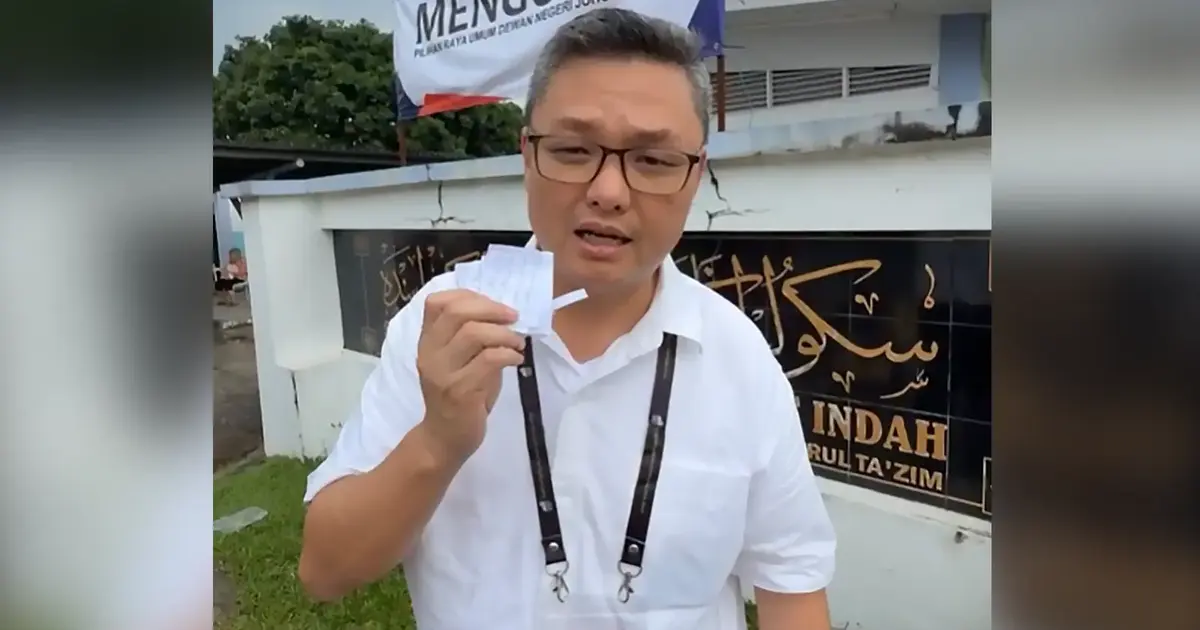
A Pakatan Harapan representative has escalated concerns about potential electoral misconduct by filing a formal complaint with authorities, alleging that a Barisan Nasional counting agent improperly documented individual voters' ballot selections during a recent polling event. Tee Boon Tsong's grievance centers on what he characterizes as a serious breach of voting secrecy and electoral protocol, with implications for the integrity of Malaysia's democratic processes.
The complaint hinges on the accusation that handwritten records were compiled documenting how specific voters cast their ballots, a practice that directly contradicts established electoral principles protecting voter confidentiality. Under Malaysian electoral law and international democratic standards, the voting process must remain confidential to prevent voter intimidation, coercion, and manipulation. The alleged documentation of individual voting choices therefore represents a fundamental challenge to these safeguards.
Tee has specifically urged the Election Commission to seize and retain the handwritten notes that he claims were used to record the votes. This request reflects a broader investigative strategy aimed at preserving physical evidence that could substantiate the allegation and establish accountability. The retention of such documentation would be essential for any thorough inquiry into whether the protocol breach occurred and whether it was systematic or isolated.
The incident underscores persistent concerns within Malaysia's opposition political circles regarding election administration and the conduct of counting agents during the tallying process. Counting agents from both government and opposition parties are present during vote counting to serve as observers and ensure transparency. Their role is strictly observational, and they are explicitly prohibited from interfering with or recording individual voting patterns.
This complaint emerges within a broader context of Malaysian electoral dynamics, where questions about procedural compliance and fair play have periodically surfaced following major polls. The credibility of electoral outcomes depends significantly on public confidence that every stage of the voting and counting process adheres to established rules. When allegations of protocol violations surface, swift and transparent investigation becomes crucial for maintaining institutional legitimacy.
For Southeast Asian observers, Malaysia's handling of such electoral complaints carries regional significance. The region has witnessed varying standards in election administration across different nations, and Malaysia's response to allegations of misconduct demonstrates the strength of its institutional checks and balances. A robust investigation signals commitment to democratic principles, while conversely, inadequate responses risk eroding public faith in electoral systems.
The Election Commission faces pressure to conduct a transparent and thorough investigation that addresses both the specific allegation and any systemic vulnerabilities in counting agent supervision. Training protocols, physical evidence preservation, and oversight mechanisms all merit scrutiny to prevent recurrence. The manner in which authorities respond will likely influence how effectively democratic stakeholders maintain confidence in future electoral processes.
From a practical standpoint, if the allegation proves substantiated, it would raise questions about enforcement and accountability mechanisms for counting agents. Barisan Nasional would face pressure to explain how its agent conducted itself and whether organizational oversight was adequate. Conversely, if investigation reveals the complaint lacks evidentiary support, such clarification would similarly matter for public understanding.
The incident also reflects the adversarial nature of Malaysian electoral politics, where both major coalitions maintain vigilance regarding potential procedural lapses by the opposing side. While this scrutiny can serve as a democratic check on misconduct, it simultaneously requires that complaints rest on credible foundations to preserve the integrity of investigative processes themselves.
Moving forward, the complaint's resolution may prompt broader discussions about strengthening election observation protocols and counting agent training. International best practices for counting transparency and observer conduct could inform Malaysia's regulatory framework. Such reforms would benefit all political participants by establishing clearer standards and reducing opportunities for ambiguity or dispute.
The complaint filed by Tee Boon Tsong exemplifies how electoral systems remain subject to continuous scrutiny in functioning democracies. Rather than viewing such complaints as evidence of systemic failure, they often represent the system's built-in mechanisms for self-correction operating as intended. The critical test lies in whether investigative institutions respond with the impartiality and thoroughness that democratic accountability demands.

