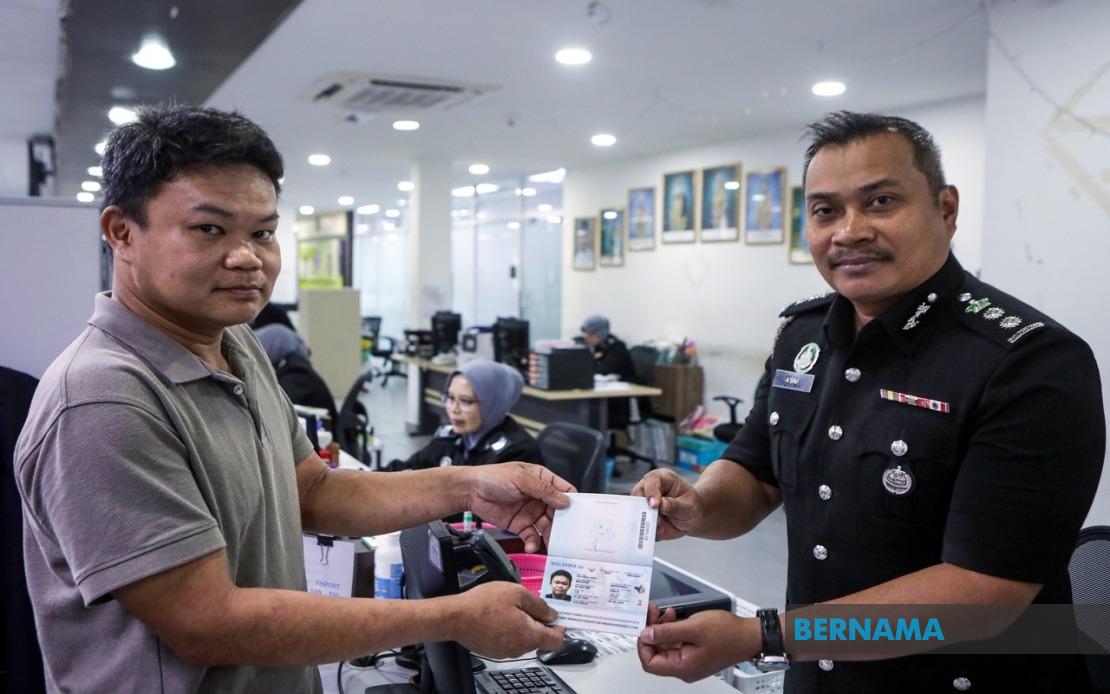
Malaysia's push to modernise its travel documents entered a new phase this month when Perlis Immigration began processing applications for the new Malaysian International Passport, a revamped travel credential designed to address security vulnerabilities in the previous model. The rollout in the northern state follows Prime Minister Datuk Seri Anwar Ibrahim's official launch on June 30, marking a significant technological upgrade that incorporates 94 distinct security features to combat forgery and fraud.
The Perlis Immigration Department, under the leadership of director Mohammad A'sim Md Ali, is currently the sole processing centre in the state, operating from the Immigration Office housed within the Kangar Urban Transformation Centre. This temporary arrangement reflects the phased implementation strategy across Malaysia's immigration infrastructure, with the department preparing for expanded capacity once building upgrades are completed at the Perlis Ministry of Home Affairs Complex, anticipated by October. The decision to consolidate initial operations highlights the specialised equipment and trained personnel required to manage the new passport system.
From the outset, public uptake has been encouraging. During the first full day of implementation in Perlis, residents demonstrated substantial interest in applying for the updated document, validating the government's investment in modernising Malaysia's travel security apparatus. Between January 1 and mid-July, the Perlis department issued 31,722 travel documents overall, encompassing 6,918 passports alongside 72 Restricted Travel Documents and 24,732 Border Passes, demonstrating consistent demand for travel authorisation across all categories.
Applications for the new passport became available nationwide from July 1, open to Malaysian citizens aged 18 and above. A distinctive feature of the scheme allows applicants to select their preferred validity period, choosing between a five-year or ten-year document. This flexibility represents a departure from earlier passport models and acknowledges varying travel patterns and frequency among different demographics, offering greater choice to the travelling public.
The security enhancements embedded within the new Malaysian International Passport address longstanding concerns about document integrity and border security. With 94 distinct security markers incorporated into the design, manufacture, and embedded data structures, the passport presents a substantially harder target for counterfeiters and fraud operators. These features span visible elements such as holograms and watermarks alongside invisible technological components embedded in the biometric data page, creating multiple layers of verification for immigration and border officials.
From a regional perspective, Malaysia's passport upgrade reflects broader Southeast Asian efforts to strengthen travel document security in response to evolving threats. Countries across the Association of Southeast Asian Nations have been progressively modernising their travel credentials, recognising that interconnected borders and increasing mobility demands demand robust, technologically sophisticated identity verification systems. Malaysia's initiative places it alongside regional peers investing in advanced biometric integration and security printing technology.
For Malaysian citizens, the transition to the new passport carries practical implications. Those seeking international travel will eventually need to transition to the new document, though no immediate deadline for replacement has been announced for holders of existing passports. The extended validity option appeals particularly to frequent business travellers and expatriates, potentially reducing the administrative burden of passport renewals for this constituency. Conversely, shorter validity periods may suit occasional travellers or those whose circumstances may change significantly within the validity window.
The implementation in Perlis also underscores the incremental approach the government has adopted for this significant administrative transition. Rather than simultaneously launching new passport services across all immigration offices nationwide, the staged rollout allows the immigration department to refine operational procedures, train staff comprehensively, and address unforeseen technical challenges before scaling upward. This measured expansion minimises service disruptions while ensuring consistent quality across all processing centres as the system expands.
The economic dimension of this initiative warrants attention as well. The manufacture and distribution of new passports represents substantial investment in security infrastructure, employing advanced printing technologies and specialist personnel. Furthermore, the project supports domestic industrial capacity in document production and security printing, potentially positioning Malaysian expertise for regional engagement as other governments consider similar upgrades. The phased rollout across states like Perlis generates sustained demand for trained immigration officers and technical support staff.
Public confidence in travel documents remains fundamental to their effectiveness as security instruments. By transparently communicating the enhanced security features and rollout timeline, the Immigration Department addresses potential concerns about document authenticity and encourages voluntary adoption. The initial positive reception in Perlis suggests that citizens recognise the value proposition of upgraded travel credentials, particularly those who frequently cross international borders and appreciate the reduced fraud risk.
Looking forward, the expansion beyond Perlis will test the scalability of this system across Malaysia's diverse geography and population distribution. Urban centres like Kuala Lumpur and Selangor will likely experience higher application volumes, requiring robust queue management and extended operating hours. Rural areas may require itinerant services or extended processing timelines to ensure equitable access. Successfully navigating these logistical challenges will determine whether the new passport initiative meets its objectives of enhanced security alongside improved public convenience and service delivery.

