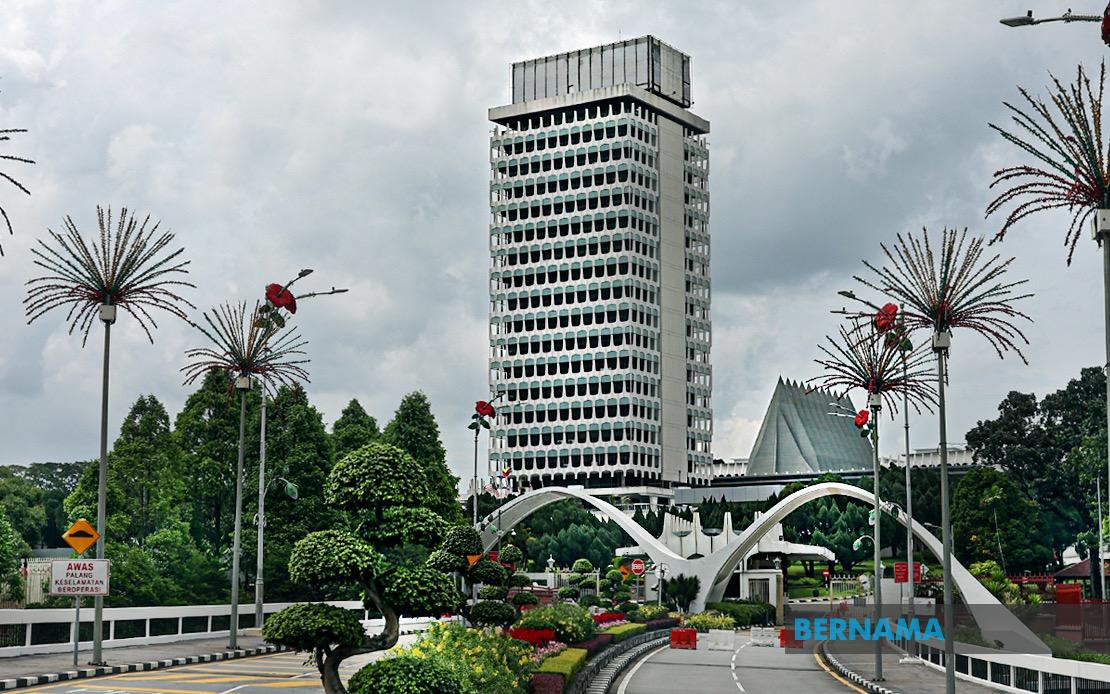
Malaysia's Parliament will convene today to examine how the ongoing West Asian conflict is affecting the nation's ability to attract international visitors, with particular concern focused on declining arrivals from Middle Eastern, European, and West Asian tourism markets. The matter has gained sufficient parliamentary attention to warrant formal questioning of the Tourism, Arts and Culture Minister, reflecting growing anxiety within the government about tourism sector momentum as the crisis persists in the region.
Dr Ahmad Fakhruddin Fakhrurazi, representing Kuala Kedah, will press the Tourism Ministry to clarify the quantifiable impact of geopolitical tensions on visitor numbers and outline concrete strategies to maintain Malaysia's competitiveness as a destination. For Southeast Asia's fifth-largest economy, where tourism contributes significantly to foreign exchange earnings and employment, any sustained downturn in arrivals—especially from affluent markets like Europe and the Gulf states—carries serious implications. The question reflects anxiety that Malaysia's carefully cultivated tourism recovery since the pandemic could face new headwinds precisely when the industry was consolidating growth.
Beyond tourism economics, parliamentary attention will also address pressing security matters affecting border regions. Datuk Mohd Suhaimi Abdullah, the Langkawi representative, will interrogate the Home Ministry on the operational readiness of security agencies tasked with protecting Malaysia's maritime boundaries. Langkawi's strategic location near the Malaysia-Thailand border makes it particularly vulnerable to irregular migrant movements and contraband trafficking, creating overlapping challenges that demand sophisticated enforcement responses.
The Langkawi question specifically probes whether existing personnel and assets sufficiently address migrant smuggling threats and potential intrusions into territorial waters. There is particular interest in whether unmanned aerial vehicles (UAVs) or drone technology can be deployed to enhance surveillance capabilities, a question suggesting that conventional patrol methods may face resource constraints. For a maritime nation like Malaysia, the capacity to monitor vast ocean areas with limited manpower makes technological solutions increasingly attractive, though questions remain about operational effectiveness and integration with existing security infrastructure.
Environmental protection issues will also dominate proceedings, with Manndzri Nasib querying the effectiveness of ecological funding mechanisms in addressing human-elephant conflict. The Ecological Fiscal Transfer scheme represents an attempt to compensate states that preserve forests and wildlife habitat, channelling resources toward conservation. The question examines whether these funds meaningfully reduce encounters between elephants and human settlements, a conflict that has intensified as habitat shrinks across Peninsular Malaysia and Sabah. The inquiry includes specific interest in expanding Electric Fencing for Elephants (SPEG), a targeted mitigation strategy requiring coordination across multiple agencies and state governments.
Housing affordability will receive parliamentary scrutiny through questions from Datuk Willie anak Mongin, who seeks detailed breakdowns of unsold affordable housing units across states and price ranges, alongside data on actual home ownership rates among Malaysians under 35. This line of questioning suggests frustration with government claims about housing programme success, particularly among younger Malaysians facing property market challenges. The demand for constituency-level data indicates parliamentarians are attempting to verify whether affordable housing policies actually translate into improved access for their constituents or whether units remain unsold while demand persists elsewhere.
Two significant legislative measures will advance during this sitting. The Sexual Offences against Children (Amendment) Bill 2026 represents a critical update to Malaysia's child protection framework, while the Employment Insurance System (Amendment) Bill 2025 addresses worker protections and benefits. Both bills proceeding to second reading indicates parliamentary readiness to strengthen social policy frameworks, though the substance of proposed amendments remains to be debated openly.
The current parliamentary session will extend through July 16, providing a full 16-day window for legislative business. This duration allows adequate time for substantive debate on significant matters, though the breadth of topics suggests legislators face compressed schedules for each issue. Parliamentary sittings of this length typically accommodate government business, opposition scrutiny, and member questions in structured sequence.
For Malaysian policy observers, today's sitting reveals an evolving parliamentary agenda reflecting multiple concurrent pressures: geopolitical risks to tourism revenue, maritime security challenges in border regions, environmental conservation funding effectiveness, housing market dysfunction, and modernised child protection legislation. These issues collectively demonstrate how Malaysian policymakers navigate interconnected challenges spanning economy, security, environment, and social welfare. The parliamentary questioning process will illuminate whether government agencies possess adequate strategies and resources to address these varied demands, or whether gaps persist between policy ambitions and operational capacity.

