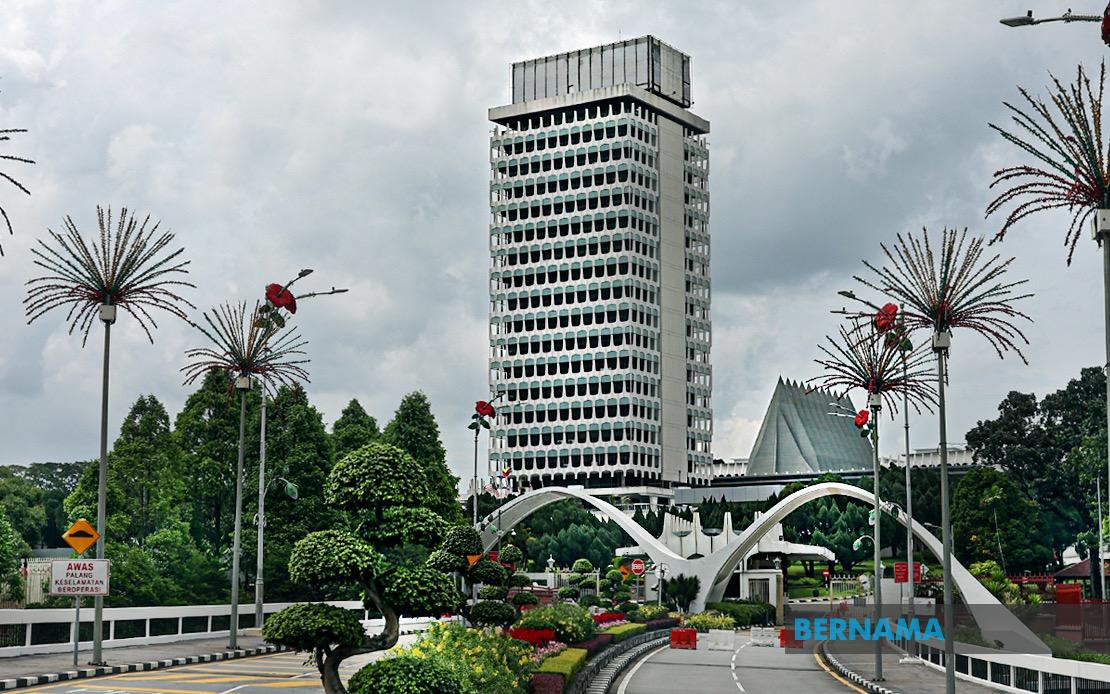
The Dewan Rakyat is focusing on three major policy areas today that reflect growing concerns about resource management, market competition, and digital safety in Malaysia. The parliamentary sitting, which runs until July 16, will hear from government ministers on water security strategies, housing market regulation, and the rollout of age verification systems for social media platforms—issues that directly affect millions of Malaysians navigating infrastructure challenges, property affordability, and online protection.
Water scarcity and resource management have become pressing concerns across the nation, particularly in Johor, where rapid urbanisation and industrial growth have strained existing supplies. Suhaizan Kaiat, the Pulai member from Pakatan Harapan, will press the Energy Transition and Water Transformation Minister to articulate the government's comprehensive strategy for expanding the state's water resource capacity. This inquiry goes beyond surface-level pledges; it demands clarity on the specific infrastructure investments planned, including new dam construction, advanced water treatment facilities, and the scaling of recycled water systems. For Malaysian households and businesses already facing water disruptions during dry seasons, these details matter enormously. The region's vulnerability to drought cycles and its dependency on cross-border supplies from neighbouring states underscore why a long-term, integrated approach is essential. The question signals parliamentary scrutiny of whether current plans adequately anticipate population growth and industrial demand over the next two decades.
The housing market has become a focal point for consumer advocacy, with property prices in major metropolitan areas pricing out many first-time buyers and young families. Datuk Seri Ismail Abd. Muttalib of Perikatan Nasional representing Maran will challenge the Domestic Trade and Cost of Living Minister to demonstrate how the Malaysia Competition Commission is actively safeguarding consumers from anti-competitive behaviour in the residential property sector. His enquiry specifically targets potential price-fixing and market manipulation—practices that, if unchecked, artificially inflate costs and reduce market transparency. The effectiveness of MyCC in investigating such violations remains a contentious issue, as the commission's independence and enforcement capacity have been subjects of ongoing debate among consumer groups and industry observers. By requesting details on investigation methodologies and outcomes, parliament is signalling that oversight of housing market dynamics cannot remain a peripheral concern. This aligns with broader regional trends where Southeast Asian nations are increasingly scrutinising corporate concentration in real estate development.
Age verification for social media represents a frontier issue in digital governance, balancing child protection against privacy rights and data security. Syahredzan Johan, representing Bangi under the Pakatan Harapan banner, will interrogate the Communications Minister on both the rationale and the safeguards surrounding age verification implementation. His questions probe two critical dimensions: first, the underlying policy objective driving the requirement, and second, the mechanisms ensuring that licensed service providers collect, access, and retain only the minimum personal data necessary to verify age. This dual focus reflects sophisticated understanding of data governance challenges. Many jurisdictions implementing similar systems have faced criticism for creating vast repositories of user information that extend far beyond age verification, creating secondary risks of data breaches or misuse. The emphasis on data deletion once the verification purpose is fulfilled indicates parliamentary concern that infrastructure ostensibly designed for child protection not become a surveillance mechanism. For Malaysian digital users, particularly young people and privacy advocates, the transparency of these procedures is crucial.
These three parliamentary inquiries intersect around a common theme: the adequacy of government institutions in managing challenges that touch nearly every household. Water, housing, and digital safety are not abstract policy matters but daily realities affecting health, financial security, and personal autonomy. The fact that parliament is dedicating formal question time to these areas reflects recognition that ministerial responses and policy frameworks require public scrutiny and democratic accountability.
For Johor specifically, the water question arrives at a critical juncture. The state has experienced significant migration inflows driven by economic opportunities and proximity to Singapore, placing unprecedented demand on existing water infrastructure. Any credible response must address not only immediate supply gaps but also the fiscal and environmental sustainability of proposed solutions. Whether new dams can secure environmental approvals, whether recycled water systems can achieve sufficient public acceptance, and whether cross-state cooperation mechanisms will function reliably remain open questions that parliament must ensure are addressed.
The housing market inquiry reflects broader frustration with affordability across Malaysia's urban centres. With MyCC traditionally focused on manufacturing and services sectors, its capacity to investigate complex real estate transactions and developer behaviour represents an expanding role that requires proportionate resources and expertise. The question implicitly asks whether the commission is adequately equipped for this mission.
Meanwhile, social media age verification touches on the intersection of child protection, digital rights, and data governance—areas where Malaysia is still developing coherent regulatory frameworks. The Communications Minister's responses will signal the government's philosophy on balancing these competing interests and hint at the regulatory architecture likely to govern digital services in coming years.
The 16-day parliamentary session provides an extended opportunity for scrutiny of executive performance across multiple portfolios. These three questions are symptomatic of a parliament engaging seriously with governance challenges that demand more than rhetorical commitment. The specific requests for information about implementation methodologies, enforcement capacity, and safeguard mechanisms indicate legislators who understand that policy effectiveness depends on operational detail. The responses provided today will likely shape public expectations for subsequent parliamentary sittings and may prompt follow-up inquiries if ministers offer inadequate or evasive answers.