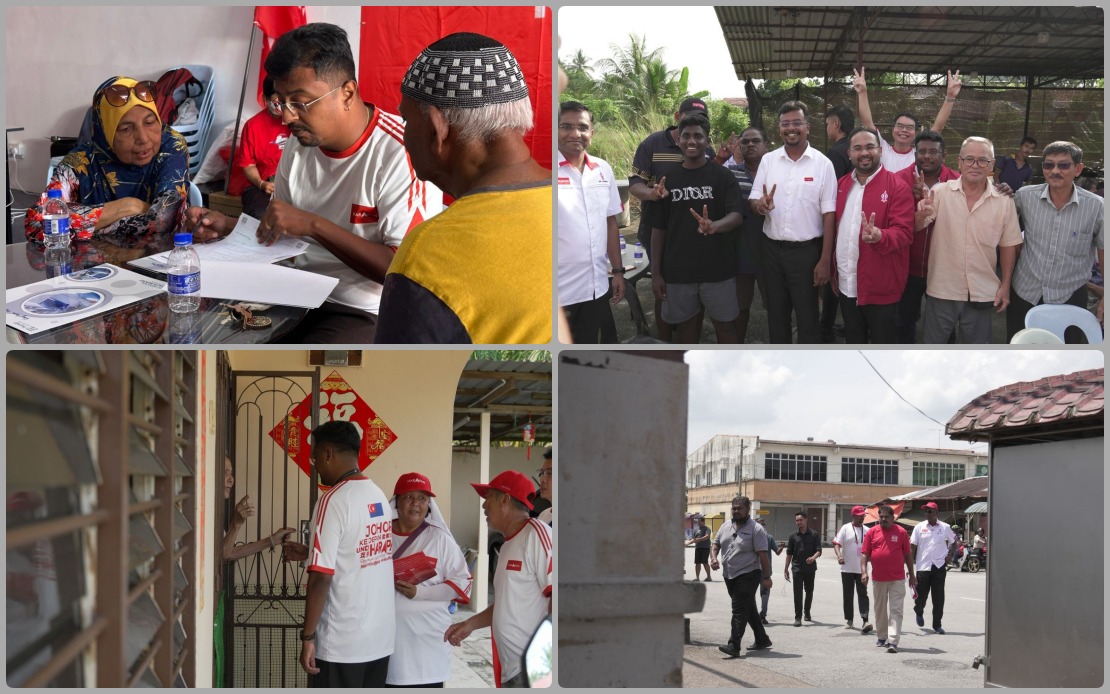
Dr. A. Ruban, the Pakatan Harapan (PH) candidate vying for the Paloh state assembly seat, checked into a hospital in Batu Pahat on July 7 to receive medical attention for complications related to a slipped disc. His campaign manager, Abdul Majid Abd Aziz, disclosed that the candidate sought hospitalisation after experiencing acute pain that significantly restricted his ability to move throughout the morning. The admission comes at a critical juncture in the Johor state election campaign, with voting scheduled for July 11.
Abdul Majid explained that Dr. Ruban's current health crisis stems from an underlying spinal vulnerability. The candidate has previously undergone surgical intervention for spinal problems, but the condition has flared up once more. Medical advisors believe the relapse was triggered by the demanding physical toll of campaigning, which has required Dr. Ruban to undertake numerous walkabouts and engage directly with constituents across the Paloh division. The exhausting schedule, combined with travel fatigue and the pressure of the electoral push, appears to have aggravated the dormant condition.
The campaign manager was quick to provide reassurance regarding the candidate's prognosis. According to Abdul Majid, medical staff have assessed Dr. Ruban's condition as non-critical, suggesting a relatively straightforward recovery process. The hospital expects that Dr. Ruban could be discharged within one or two days, depending on how his condition responds to treatment and whether imaging or further diagnostics are warranted. This timeline raises the possibility that the candidate might resume some campaign activities before polling day, though his full participation remains uncertain.
The hospitalization presents a logistical challenge for PH's campaign machinery in the Paloh constituency, yet party officials have moved swiftly to address concerns about campaign momentum. Abdul Majid emphasised that the PH organization would maintain its ground presence and voter outreach efforts without waiting for Dr. Ruban's return. The party intends to ensure that the candidate's policy positions and electoral promises continue to reach voters through other channels and representatives, preventing any perception of a campaign halt or loss of focus during these final days before the election.
The Paloh contest represents a tightly contested four-way battle. Beyond Dr. Ruban, the race includes D. Jeevakumar, representing the Perikatan Nasional (PN) coalition, independent candidate G. Kamaleswaren, and Lee Ting Han, the incumbent Barisan Nasional (BN) representative seeking to retain the seat. The competitive dynamics of this race underscore why Dr. Ruban's absence from the campaign trail, even temporarily, could carry strategic implications. In closely fought elections, the visibility and direct engagement of candidates during the final week often proves decisive in swaying undecided voters.
The Johor state election itself represents a significant political event in Malaysia's electoral calendar. As the sixteenth iteration of state-level polling in Johor, the contest reflects broader patterns of political competition between the ruling BN coalition, the opposition PH alliance, and the rising influence of PN, particularly in the peninsular states. Early voting took place on July 7, with the main polling day scheduled for four days later, giving campaigns a narrow window to influence outcomes.
Dr. Ruban's medical situation illustrates the physical demands placed on political candidates during intensive election periods. The gruelling schedule of campaign events, community engagement, and travel takes a genuine toll on candidates' wellbeing, particularly those with pre-existing health conditions. This incident may prompt broader reflection within Malaysian political circles about the sustainability and wisdom of pushing candidates to such physical extremes during electoral campaigns, especially when medical vulnerabilities are already present.
For voters in Paloh, the hospitalization raises questions about campaign strategies during the remaining days before July 11. The electorate must weigh whether Dr. Ruban's absence impacts their assessment of his suitability for the seat, or whether they view the health issue as a temporary medical matter unrelated to his policy credentials and vision for the constituency. Similarly, competing candidates may adjust their own campaign tactics in response to the evolving situation.
The broader PH machinery's commitment to sustaining campaign activities through alternative personnel and communication channels demonstrates the organizational depth that established political coalitions can deploy. By mobilizing surrogates and grassroots structures, PH aims to minimize any advantage that might accrue to competitors from Dr. Ruban's temporary unavailability. This approach reflects lessons learned from previous campaigns about maintaining momentum regardless of individual candidate circumstances.

