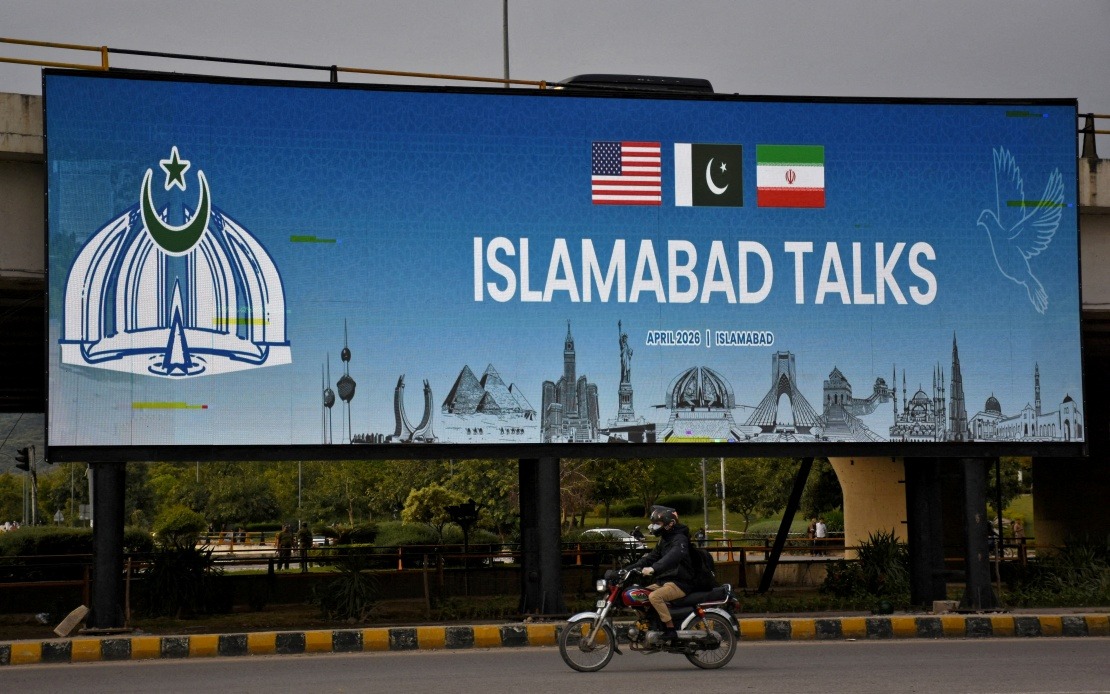
Pakistan has been selected as the venue for the resumption of direct negotiations between the United States and Iran on July 11, according to regional media reports. The development signals continued momentum in diplomatic efforts to resolve longstanding disputes between the two nations, with Islamabad's role as intermediary reflecting its strategic importance in South Asian geopolitics and its historical relationship with both Washington and Tehran.
The substantive agenda for these talks encompasses three critical areas that have shaped decades of US-Iran relations. Discussions will centre on the architecture of sanctions relief, which remains a core demand from Tehran, the disposition of Iranian assets that have been frozen under American restrictions, and the contentious nuclear programme that has been central to every major negotiation between the parties since 2015. The breadth of these topics suggests that negotiators are attempting to address multiple layers of bilateral grievance simultaneously rather than compartmentalising disputes.
The timing of these talks reflects significant recent developments in the relationship. In the early hours of June 18, both nations executed a memorandum establishing a framework to terminate the military conflict that erupted on February 28, according to reports from Moscow-based sources. This ceasefire agreement represented a crucial de-escalation after months of heightened tensions that had threatened wider regional instability. The accord goes beyond merely stopping active hostilities, establishing concrete mechanisms and timelines for normalisation of economic activities.
Under the terms of the June 18 accord, the United States has committed to lifting its long-standing naval blockade of Iranian ports, while Iran has undertaken to restore maritime shipping through the Strait of Hormuz. These provisions carry immense practical significance for global energy markets and regional commerce, as the Strait remains one of the world's most critical chokepoints for petroleum exports. Restoration of normal passage through these waters would ease international supply concerns and reduce shipping costs across the Indian Ocean and Persian Gulf region.
On the nuclear question specifically, both sides have agreed that Iran will not pursue the acquisition of nuclear weapons, addressing the primary security concern that has preoccupied Western policymakers for decades. However, the substantive details governing Iran's permitted nuclear activities and enrichment levels will be determined through a separate negotiating track that both parties have agreed to conclude within a 60-day window. This time-bound framework suggests determination to reach concrete outcomes rather than allowing talks to drift indefinitely.
Iran's strategic objective from these negotiations remains unambiguous: the comprehensive lifting of international sanctions that have crippled its economy since the rupture of the 2015 nuclear accord. Economic sanctions have severely constrained Iran's oil exports, access to banking systems, and purchase of advanced technology. For Tehran's negotiators, sanctions relief represents not merely a negotiating goal but an existential requirement to restore economic functionality and public confidence in government leadership.
The composition and timing of Iran's negotiating delegation will be determined following the funeral of former Iranian Supreme Leader Ali Khamenei, which is scheduled for July 9. This reference to funeral arrangements underscores the fluid political circumstances within Iran's leadership structure and suggests that significant transition may be underway. The funeral date falling just two days before the resumption of talks in Pakistan indicates that Tehran intends to proceed with negotiations despite internal succession considerations, signalling priority attachment to the diplomatic process.
Pakistan's selection as host venue for these negotiations reflects its longstanding position as a bridge between conflicting powers in South and West Asia. Throughout its history, Islamabad has cultivated relationships with both the United States and Iran, though these relationships have frequently been strained by competing interests and regional competition. As an Islamic republic with significant influence across the Persian Gulf through its Shia population and historical cultural ties, Pakistan maintains credibility with Iranian leadership. Simultaneously, Islamabad's status as a longtime American security partner provides reassurance to American negotiators.
The resumption of talks in Pakistan follows several months during which direct dialogue between Washington and Tehran had been stalled or conducted through intermediaries. The shift toward direct engagement and the selection of a neutral venue outside either nation's territory suggests that both parties have calculated that escalation serves neither's interests. For Southeast Asian nations including Malaysia, these developments carry implications for regional stability, particularly regarding maritime security in the Strait of Malacca and broader commercial patterns that depend on stable Middle Eastern politics.
The successful execution of the June memorandum and the scheduling of follow-up talks indicate that despite decades of mutual hostility, channels of communication remain viable and both administrations perceive advantages in negotiated settlement over continued confrontation. Whether these July talks produce breakthrough agreements on sanctions and nuclear issues will significantly influence Middle Eastern geopolitics throughout the remainder of the year and potentially reshape international alignments in ways that reverberate across the Indo-Pacific region.

