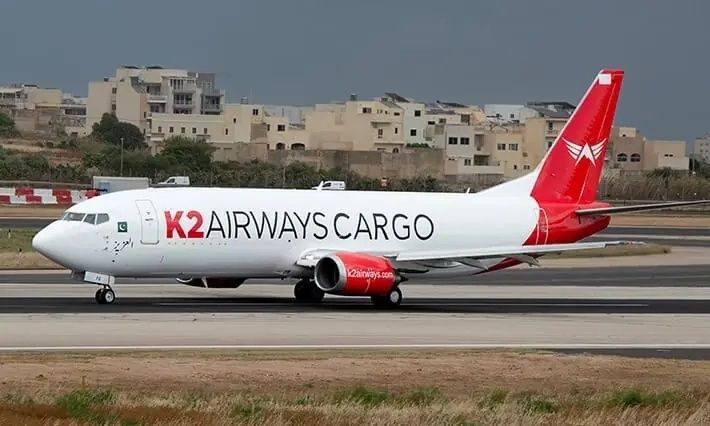
Pakistan has mobilized its naval and air forces to locate a K2 Airways Boeing 737-400 cargo plane that went missing off its southern coast on Tuesday evening, with Prime Minister Shehbaz Sharif confirming the aircraft crashed into the Arabian Sea. The aircraft was en route from Sharjah in the United Arab Emirates to Karachi when it experienced critical technical difficulties, prompting authorities to launch a comprehensive search and rescue operation involving both military and merchant vessels across the water off Pakistan's coast.
The sequence of events leading to the disappearance reveals a rapidly deteriorating situation in the aircraft's final moments. The Pakistan Airports Authority reported that at 21:21 Pakistan time on Tuesday, radar operators detected the plane undergoing a sharp and unexplained descent approximately 155 nautical miles west of Karachi. Simultaneously, the crew reported a "navigational system issue" to air traffic control, indicating the pilots were already grappling with instrument problems. Within moments, all radio contact between the aircraft and ground personnel ceased abruptly.
Flightradar24, the international flight-tracking service, provided crucial insight into the plane's erratic behavior during its descent. Data transmitted from the aircraft before communication was lost showed an initial loss of altitude, followed by what appeared to be a recovery climb, before the plane experienced a second, dramatic and sudden plunge toward the sea. This pattern of fluctuating altitude suggests the crew may have attempted to regain control or that the aircraft experienced sudden and severe structural or systems failure during its approach to Karachi.
Prime Minister Shehbaz Sharif expressed profound sorrow over the tragedy, which claimed five crew members aboard the aircraft. He directed Pakistan's civil aviation authorities, navy, and air force to mount an all-out search effort utilizing every available resource. The government's rapid mobilization underscores the urgency officials attached to locating the missing aircraft and determining what occurred during those final critical minutes. Multiple maritime and military assets were deployed to scour the Arabian Sea in the designated search area.
K2 Airways, the operator of the missing aircraft, is a privately owned Pakistani cargo airline that serves both domestic and international routes through scheduled and charter operations. The company operates freight services across Pakistan and beyond, filling an important niche in the country's aviation sector. The loss of this aircraft and its crew represents a significant setback for the carrier and raises questions about the safety protocols governing private cargo operations in Pakistani airspace.
The aircraft itself had considerable operational history dating back to its manufacturing in 1999. Originally configured as a passenger plane, it first flew for Russian carrier Aeroflot before being transferred to Indonesian national airline Garuda Indonesia. In 2012, over a decade into its service life, the plane was converted from passenger to cargo configuration, extending its operational utility. The decision to convert aging passenger aircraft for freight use is common practice in the global aviation industry, as cargo operations typically impose lower structural stresses than passenger service.
This incident adds another tragic chapter to Pakistan's troubled aviation safety record. The country has experienced several major aviation disasters in recent years, with Karachi itself the site of previous fatal crashes. The tragic history reflects broader concerns about maintenance standards, pilot training, equipment reliability, and air traffic control procedures within Pakistan's aviation sector. These systemic issues have drawn international scrutiny and regulatory intervention in the past.
The European Union's longstanding skepticism about Pakistani aviation safety had resulted in a four-year ban on Pakistan's national carrier, Pakistan International Airlines, from accessing European airspace due to unresolved safety and licensing deficiencies. Though EU authorities lifted this restrictive ban in 2024, acknowledging improvements in safety oversight and compliance, the ban's existence for so long underscored serious structural weaknesses in the country's aviation regulatory environment. Private operators like K2 Airways operate within this same regulatory framework, raising questions about whether sufficient oversight mechanisms are consistently applied across all carriers.
The disappearance of the K2 Airways flight highlights the vulnerability of aviation operations in South Asian airspace, particularly during approaches to major international airports like Karachi where traffic congestion and challenging weather conditions can complicate operations. The Arabian Sea presents additional hazards, as recovery of wreckage from deep waters often proves technically challenging and time-consuming. The navigational system failure reported by the crew suggests potential equipment malfunction, though investigators will need to recover the aircraft's flight data recorders to determine the precise technical cause of the disaster.
For Malaysian readers and Southeast Asian aviation observers, this incident serves as a sobering reminder of the critical importance of rigorous maintenance, comprehensive pilot training, and robust regulatory oversight across all carriers regardless of size or operational focus. The cargo aviation sector, while essential for regional and global commerce, operates with less public visibility than passenger airlines, potentially exposing it to inconsistent safety standards. The incident demonstrates that equipment age, operational history, and conversion procedures must be carefully managed to ensure airworthiness regardless of the aircraft's previous configuration or current use.

