Pakistan and Syria have signalled their commitment to significantly strengthening relations across multiple sectors, marking a notable recalibration of ties between the two nations. The impetus for this diplomatic renewal came during Syrian Foreign Minister Asaad Hassan Al Shaibani's visit to Islamabad this week, a milestone visit that represents the first high-level visit by a Syrian foreign minister to Pakistan in almost twenty years. The trip underscores both countries' recognition that deepening engagement could yield mutual benefits at a time of considerable regional flux.
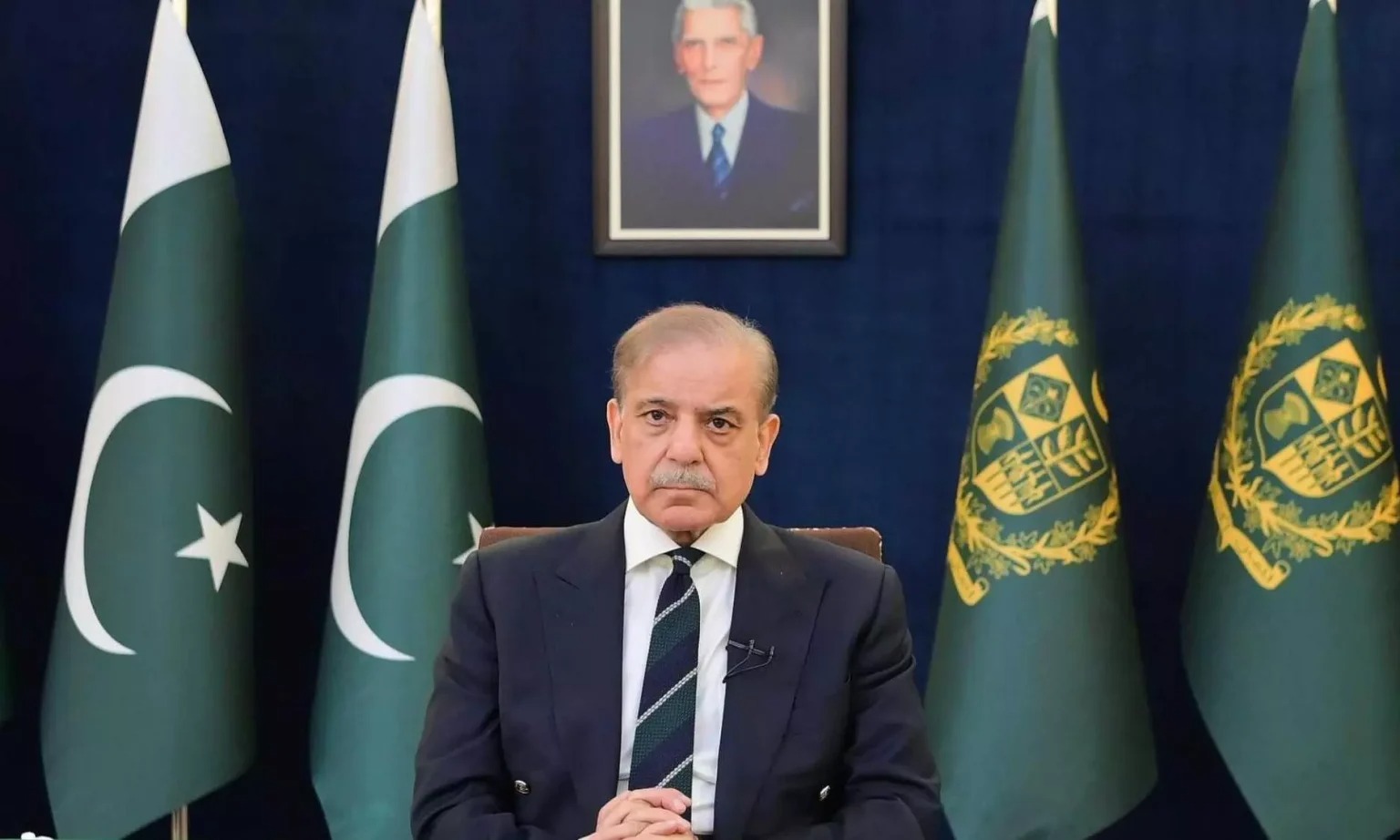
During his stay, Shaibani held substantive discussions with Prime Minister Shehbaz Sharif, who reiterated Pakistan's foundational support for Syrian sovereignty, national unity and territorial integrity. Pakistan's position on the Golan Heights, a territory disputed between Syria and Israel, also featured prominently in these conversations, reflecting Islamabad's alignment with Damascus on this contentious geopolitical issue. The prime minister's emphasis on these principles signals that Pakistan views the relationship through both practical and principled lenses, connecting shared strategic interests with solidarity on international questions.
Beyond high-level political affirmations, both governments have identified concrete areas for expanded cooperation. Prime Minister Sharif articulated ambitions to translate long-standing historical ties into tangible advancement across politics, defence, trade, investment, education and human resource development. This comprehensive agenda suggests Pakistan and Syria envisage not merely symbolic engagement but a substantive partnership spanning security, economic and people-to-people dimensions. The breadth of proposed cooperation indicates both nations see value in repositioning their relationship as a cornerstone of regional diplomacy.
Connectivity and cultural exchange represent significant components of this outreach. Officials from both countries are actively exploring the resumption of direct air services between Pakistan and Syria, a practical step that would facilitate increased travel and strengthen interpersonal ties. Such connectivity measures often serve as catalysts for deeper integration across business and cultural spheres, enabling citizens to build networks and understanding that transcend governmental arrangements. The emphasis on aviation links suggests both countries recognise that sustained, personal contact remains essential for embedding long-term cooperation.
The diplomatic agenda extended into regional security matters, with Deputy Prime Minister and Foreign Minister Ishaq Dar and his Syrian counterpart engaging in wide-ranging discussions on developments affecting the broader Muslim world. Palestine, the Golan Heights, Afghanistan, South Asian dynamics and West Asian affairs all featured in these conversations, reflecting how interconnected contemporary regional politics have become. Shaibani notably welcomed Pakistan's Makkah Joint Defence Agreement, a significant statement indicating Syrian appreciation for Islamabad's multilateral security initiatives and its constructive approach to de-escalation, particularly regarding United States-Iran tensions.
Trade and investment expansion formed another pillar of the visit. Pakistani Commerce Minister Jam Kamal Khan met with Shaibani to explore avenues for enhanced commercial engagement and investment partnerships. Khan specifically advocated for greater private sector participation, recognising that business-to-business connections often prove more durable and innovative than government-directed initiatives. The commerce minister's focus on private sector dynamism reflects contemporary understanding that sustainable economic partnerships require genuine business interest and profit incentives rather than merely political directives.
Syria's reconstruction requirements featured prominently in these commercial discussions. Following years of internal conflict, Syria faces substantial infrastructure rehabilitation needs, presenting potential opportunities for Pakistani construction, engineering and services firms. Shaibani's articulation of these reconstruction priorities appeared designed to signal to Pakistani investors and enterprises that Syria represents an emerging market with genuine demand for infrastructure development expertise. For Pakistani businesses navigating challenging global conditions, Syrian reconstruction projects could offer meaningful commercial opportunities.
To institutionalise expanding trade ties, Pakistani and Syrian officials proposed establishing a joint business council, a mechanism that would formalise regular engagement between private sector representatives from both countries. Such councils typically provide structured forums for identifying investment opportunities, addressing commercial barriers and facilitating long-term business relationships. The proposal suggests both governments view private sector engagement as crucial to translating political will into sustainable economic outcomes, moving beyond sporadic exchanges toward systematic commercial integration.
For Malaysian observers, Pakistan-Syria cooperation carries several implications. The visit reflects broader patterns of Middle Eastern and South Asian nations recalibrating relationships amid shifting geopolitical alignments, particularly as regional powers reassess strategies following Iran-Saudi normalisation and evolving great power dynamics. Pakistan's engagement with Syria, coupled with its emphasis on regional de-escalation and multilateral security architecture, suggests Islamabad remains committed to positioning itself as a stabilising force. These developments may also influence broader Organisation of Islamic Cooperation dynamics, given both nations' prominence within Muslim-majority geopolitical frameworks that Malaysia engages with regularly.

