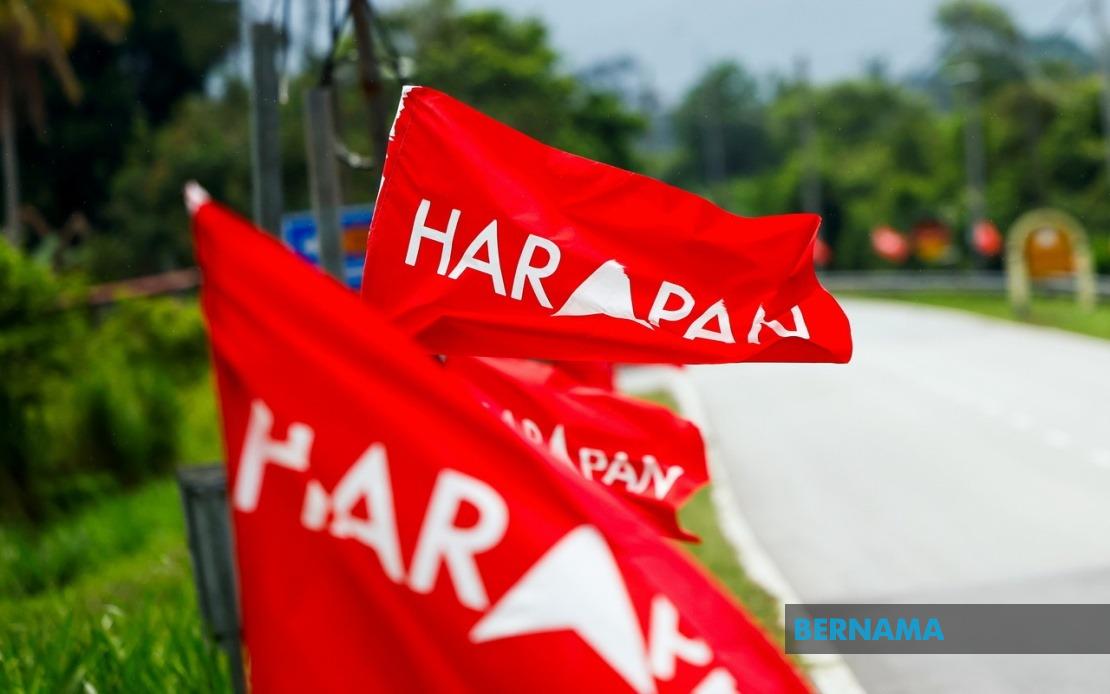
Pakatan Harapan is preparing to formally launch its election platform for Negeri Sembilan tomorrow evening, marking a crucial moment in the state's 16th general election campaign. The manifesto presentation comes as the coalition enters its second day of campaigning, with party officials signalling confidence in their grassroots momentum across the state. Datuk Muhammad Zaki Md Sabri, who leads PH's operations machinery in Negeri Sembilan, confirmed the event will take place at a venue to be announced shortly, with senior party leadership expected to attend.
The substance of PH's campaign message will centre on portraying the state's development trajectory since the coalition assumed control in 2018 as evidence of effective governance worth extending. Rather than presenting radical new proposals, the manifesto has been constructed by party leadership to emphasise stability, economic continuity, and social advancement that residents have already experienced during the current administration. This defensive positioning reflects PH's status as the incumbent, requiring them to defend their record against criticism while simultaneously differentiating themselves from opposition challengers.
For Malaysian voters, the Negeri Sembilan contest carries implications beyond the state itself. The election serves as a barometer of public sentiment toward the current federal coalition landscape, particularly testing whether PH's national standing translates into successful electoral performance at the regional level. The result could influence dynamics within Pakatan's component parties and their relative influence in national politics going forward. Success in Negeri Sembilan would provide momentum for PH as it navigates the complex politics of coalition management across multiple states.
Muhammad Zaki expressed satisfaction with the operational execution of the campaign thus far, highlighting smooth logistics handling and positive reception from voters toward PH candidates. The emphasis on logistical competence serves a dual purpose: demonstrating administrative capability while building narrative momentum. In Malaysian electoral contests, the ability to mobilise voters efficiently often translates into competitive advantage, and PH appears focused on leveraging their organisational apparatus fully.
The political environment surrounding this campaign reflects broader concerns within Malaysia's democratic discourse. PH leadership explicitly called for all participating parties to maintain campaign decorum and avoid inflammatory rhetoric. The specific request to steer clear of sensitivities around the three Rs—religion, royalty, and race—underscores persistent fault lines in Malaysian politics where these domains remain particularly combustible. By preemptively advocating for restraint, PH appears attempting to establish higher ground on civility while signalling to opposition parties that transgression would be noted.
The electoral machinery itself operates within structured parameters. The Negeri Sembilan State Legislative Assembly was dissolved on June 5, initiating the formal election cycle. The Election Commission has designated August 1 as polling day, with early voting scheduled for July 28 to accommodate military personnel and police officers. This timeline provides a five-week campaign window, a compressed period requiring efficient resource deployment and strategic messaging.
The electorate comprises substantial numbers across demographic categories. Nearly 890,000 registered voters are eligible to participate, comprising 867,151 ordinary voters alongside 16,884 military personnel and their spouses plus 5,455 police personnel voting early. The inclusion of security force members as early voters reflects Malaysia's structured approach to enabling participation among uniformed services. The sheer voter population underscores Negeri Sembilan's significance within Malaysia's political calculations, as the state represents a meaningful proportion of the national electorate.
For Southeast Asian observers tracking Malaysia's political evolution, the Negeri Sembilan contest illustrates how regional elections continue testing coalition stability and public confidence in incumbent administrators. The outcome will generate data points regarding voter preferences between continuity and change, helping national political movements calibrate their strategies as they approach potential federal elections. The state's position as neither a dominant PH stronghold nor a clear opposition territory makes the result genuinely competitive rather than predetermined.
PH's emphasis on sustainable economic and social outcomes within their manifesto reflects contemporary development discourse globally. Rather than promising dramatic transformation, the coalition positions itself as a responsible steward of existing prosperity. This messaging particularly resonates in states where living standards have improved incrementally, though such narratives require careful calibration to avoid appearing complacent if economic conditions deteriorate or voter expectations escalate.
The campaign period ahead will test whether PH's incumbent advantages—including access to state resources, media coverage of government activities, and established administrative structures—prove decisive against opposition parties presenting alternative visions. Historical patterns in Malaysian state elections demonstrate that incumbency provides both structural advantages and vulnerability to anti-establishment sentiment. The Negeri Sembilan election will provide contemporary evidence regarding which factors predominate in Malaysia's current political environment.

