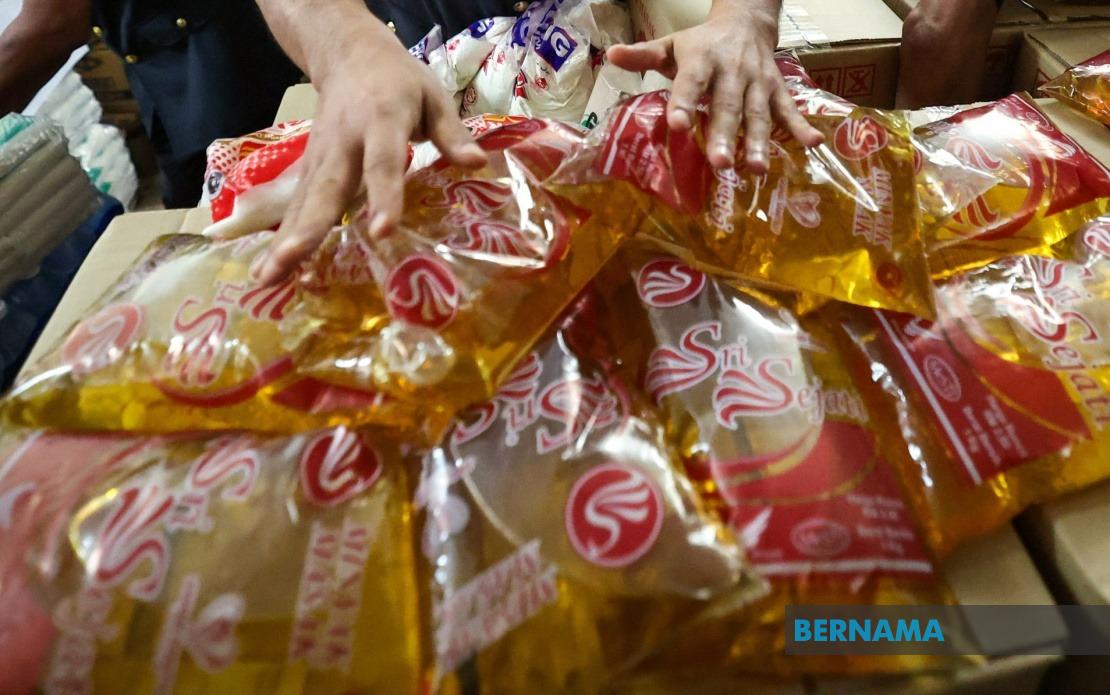
The Public Accounts Committee has signalled serious concerns about Malaysia's cooking oil subsidy programme, calling for comprehensive restructuring of the supply chain to address systemic inefficiencies that have squandered billions in public funds. In recommendations presented on July 16, the PAC urged the Ministry of Domestic Trade and Cost of Living to cut the monthly quota by 60,000 metric tonnes and fundamentally rethink how subsidies are distributed. Deputy chairperson Teresa Kok disclosed that eight major recommendations emerged from an intensive investigation, reflecting deep-seated problems in how the government manages one of its most visible and contentious price control mechanisms.
The investigation itself was extensive and rigorous, spanning ten separate proceedings conducted between August 5 and October 15 of the previous year. Officials from the Ministry, the Malaysian Islamic Development Department, and the Home Ministry provided evidence before the committee, prompted by findings in the Auditor-General's Report which deemed the cooking oil subsidy management unsatisfactory. This level of parliamentary scrutiny underscores how serious lawmakers consider the governance failures in this programme, which affects millions of Malaysian households dependent on affordable cooking oil.
At the heart of the PAC's concerns lies a fundamental mismatch between supply and actual domestic demand. The Cooking Oil Price Stabilisation Scheme operates with a quota of 60,000 metric tonnes monthly, yet investigations concluded that genuine Malaysian consumption needs only fall between 19,000 and 30,000 metric tonnes per month. This oversupply creates opportunities for waste, leakage, and diversion into unofficial channels. The excess capacity has effectively subsidised inefficiency while failing to guarantee that assistance reaches intended beneficiaries. Restructuring the quota downward would align supply with genuine demand patterns and reduce the scope for programme abuse.
The financial toll has been staggering. Between 2019 and February 2025, the government disbursed RM10.879 billion in cooking oil subsidies, yet the absence of rigorous distribution targeting mechanisms meant funds did not consistently reach genuinely disadvantaged Malaysians. One-kilogramme packets, the standard subsidised unit, have been systematically exploited by ineligible purchasers including foreign workers and commercial operators who resell cooking oil for profit. This diversion represents a substantial loss to public coffers and undermines the programme's equity objectives. The PAC's emphasis on developing targeted distribution systems reflects growing recognition that blanket subsidies without robust verification mechanisms inevitably leak.
Quality control failures compound the waste problem. The committee discovered that two of nine packaging companies involved lack halal certification, a concerning gap given that Malaysia's halal certification infrastructure has matured substantially. More troubling, the absence of standard operating procedures to handle spoiled cooking oil at the packaging level means government subsidies flow even to stocks that never reach consumers. Spoiled inventory sitting in warehouses continues accumulating subsidy costs, a particularly egregious form of fund misallocation that should prove straightforward to rectify through basic procedural discipline.
Retail-level enforcement has likewise deteriorated. Insufficient monitoring has allowed conditional sales, hoarding, and pricing above the RM2.50 control price to proliferate despite regulatory frameworks supposedly preventing such practices. This suggests either inadequate resources dedicated to compliance checking or broader integrity problems in enforcement. Retailers exploiting loopholes diminish the scheme's effectiveness and signal to consumers that price controls exist more in theory than practice. Strengthening enforcement capacity and implementing transparent verification systems at point of sale could substantially improve programme integrity.
The committee also identified problematic structural imbalances in the refining sector. Foreign companies control 67 percent of the subsidised cooking oil quota at the refining stage, whilst domestic government-linked companies such as FGV and SD Guthrie account for merely 10.6 percent. This dominance of international players means most subsidy benefits accrue outside Malaysia's economy, reducing the multiplier effects of government expenditure. Rebalancing the quota structure to favour competitive local enterprises could strengthen domestic industrial capacity while maintaining reasonable consumer prices.
Packaging company profit margins present another area of concern. Firms receiving RM600 per metric tonne in subsidies are operating at margins the PAC characterises as excessive relative to actual processing costs. The committee suggested that subsidies be recalibrated to reflect genuine operational expenses, reducing the artificial protection afforded to this segment. This recommendation reflects a broader principle that subsidies should compensate for legitimate costs rather than guarantee inflated returns. Rationalising payment structures could achieve equivalent consumer price outcomes at lower fiscal cost.
The PAC proposed that subsidy payments be conditioned strictly upon receipt of undamaged stocks, preventing the government from financing losses that firms should absorb themselves. This targets what appears to be a moral hazard problem, where the guarantee of subsidy payments regardless of product integrity removes private sector incentives to maintain quality standards. Shifting this responsibility to packaging companies would encourage better inventory management and reduce government bearing costs for privately-mismanaged spoilage.
A fundamental modernisation pathway identified by the committee involves accelerating transition toward digitalised targeted subsidies through the eCOSS system. Moving from blanket bulk subsidies to digitally-verified individual benefit payments would restrict assistance to genuinely eligible citizens whilst creating an audit trail that constrains manipulation. This technological shift represents a substantial structural reform requiring investment in digital infrastructure and backend verification systems, but promises substantially improved programme outcomes. Malaysia's advancing digital government infrastructure makes such transition increasingly feasible.
The committee's emphasis on quota redistribution toward competitive local companies reflects industrial policy considerations alongside subsidy reform objectives. By directing quotas preferentially to capable domestic firms rather than foreign refiners, Malaysia could develop indigenous capacity whilst maintaining consumer price stability. This approach differs from naked protectionism by conditioning support on competitive capability, encouraging efficiency gains in domestic refining sectors. Policymakers should evaluate which local enterprises demonstrate sufficient technical competence to manage expanded quotas responsibly.
These recommendations collectively represent a comprehensive rethinking of cooking oil subsidy architecture rather than incremental tweaks. The scale of public fund leakage documented justifies fundamental restructuring. Implementation will require coordinated action across multiple agencies and sustained political commitment to enforcement, particularly given the politically sensitive nature of cooking oil pricing. Success depends on whether government prioritises technical programme excellence over using subsidies as a mechanism for generating informal political patronage networks.

