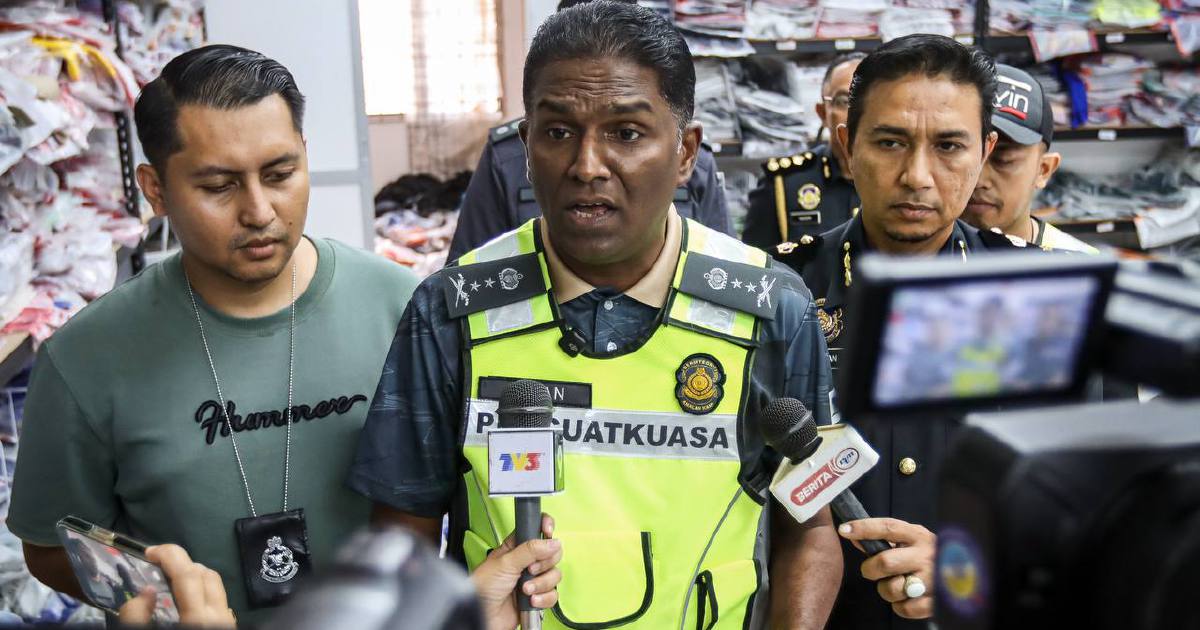
The Domestic Trade and Cost of Living Ministry has dismantled a significant counterfeit operation following raids that netted 10,190 fraudulent FIFA World Cup 2026 jerseys valued at RM509,500 in Nibong Tebal. The seizure represents one of the more substantial counterfeit sports merchandise hauls in recent times and underscores the ministry's intensifying efforts to protect consumers and legitimate businesses from intellectual property violations.
Counterfeit sports apparel has become an increasingly lucrative underground business across Southeast Asia, exploiting global fan enthusiasm during major tournaments to move high volumes of fake merchandise. The FIFA World Cup maintains iconic status among sports events, making its branded materials highly sought after by collectors and casual fans alike. Criminals capitalise on this demand by producing knock-off jerseys at a fraction of legitimate manufacturing costs, undercutting official retailers and generating substantial profits through informal distribution networks.
The operation in Nibong Tebal reveals how organised counterfeit networks have embedded themselves within Malaysia's supply chains. These operations typically source materials from overseas suppliers, then repackage and distribute the goods through a combination of street vendors, night markets, and online platforms. The scale of this particular seizure—over 10,000 individual items—suggests a well-established distribution pipeline rather than isolated street-level trafficking. Such networks often operate across state lines and leverage Malaysia's geographic position as a distribution hub for the wider Southeast Asian region.
Fake sports merchandise poses several risks beyond straightforward trademark infringement. Counterfeit jerseys frequently employ substandard materials and manufacturing processes that fail quality and safety standards. Dyes used in lower-grade fabrics may contain harmful substances, while seams and stitching often prove inadequate, meaning jerseys deteriorate rapidly with normal wear. Consumers purchasing what they believe to be genuine products may discover their purchases disintegrate after limited use, creating frustration and eroding confidence in retail channels. Additionally, the money generated from these illegal sales frequently funds broader criminal enterprises, from organised smuggling rings to money laundering operations.
The ministry's enforcement action reflects growing international pressure on countries to strengthen intellectual property protections. Sports bodies including FIFA have escalated their collaboration with national authorities to identify and dismantle counterfeit supply chains. Malaysia's Strategic Trade Secretariat and various commercial enforcement units have gradually expanded their detection capabilities, improving their ability to intercept shipments before they reach retail distribution. The successful operation in Nibong Tebal demonstrates that investment in detection infrastructure and trained enforcement personnel continues to yield meaningful results.
From a consumer perspective, the prevalence of counterfeit merchandise creates a challenging purchasing environment. Legitimate retailers increasingly find themselves competing against cheaper illegal alternatives, which can undermine business viability and discourage investment in licensed distribution rights. Malaysian consumers interested in authentic FIFA merchandise face higher prices as retailers incorporate security costs and intellectual property licensing fees into their pricing structures. For football enthusiasts planning to purchase official World Cup merchandise ahead of 2026, the market disparity between genuine and fake products remains stark, requiring vigilance and knowledge about authenticating items.
The 2026 FIFA World Cup, co-hosted by the United States, Mexico, and Canada, will generate unprecedented commercial activity across merchandise categories. The tournament's expanded format—increasing to 48 teams—means greater global fan engagement and expanded merchandising opportunities. However, this expanded commercial landscape also provides counterfeiters with larger target markets and greater sales potential. Malaysia's location as a manufacturing and transit hub makes it particularly vulnerable to counterfeit operations seeking to service regional markets before, during, and after major sporting events.
Regulatory agencies across Southeast Asia have begun coordinating more closely to address transnational counterfeit networks. Thailand, Vietnam, and Malaysia have established information-sharing protocols and joint enforcement operations targeting high-value intellectual property violations. These collaborative approaches recognise that counterfeit supply chains rarely respect national borders, instead treating the entire Southeast Asian region as an integrated market. The Nibong Tebal seizure fits within this broader pattern of enhanced regional cooperation and increasingly sophisticated enforcement strategies.
Legitimate sports merchandise manufacturers and retailers have responded by implementing security features within their products, including holograms, QR codes, and material certifications that consumers can verify. Educational campaigns have also expanded, teaching buyers how to distinguish authentic products from counterfeits based on stitching quality, material consistency, and packaging details. However, as counterfeiters grow more sophisticated in replicating these features, consumers require ongoing awareness and retailers need access to verification tools and resources.
Looking forward, the ministry has indicated intentions to intensify monitoring of counterfeit networks ahead of the 2026 World Cup, particularly targeting online platforms where unvetted sellers operate with minimal accountability. E-commerce marketplaces present particular challenges, as the volume of transactions makes manual inspection difficult and sellers located overseas may evade local jurisdiction. Authorities are exploring technical solutions including automated detection systems and cooperation with platform operators to identify and remove counterfeit listings more rapidly.
The Nibong Tebal operation sends a clear message that Malaysia maintains serious consequences for counterfeit operations, with potential penalties including substantial fines and imprisonment for offenders. Consumers who have purchased items from informal vendors or suspicious online sources should verify authenticity before use. Supporting legitimate retail channels ultimately protects consumer interests, maintains fair competition, and prevents resources from flowing to criminal enterprises operating counterfeit networks across the region.

