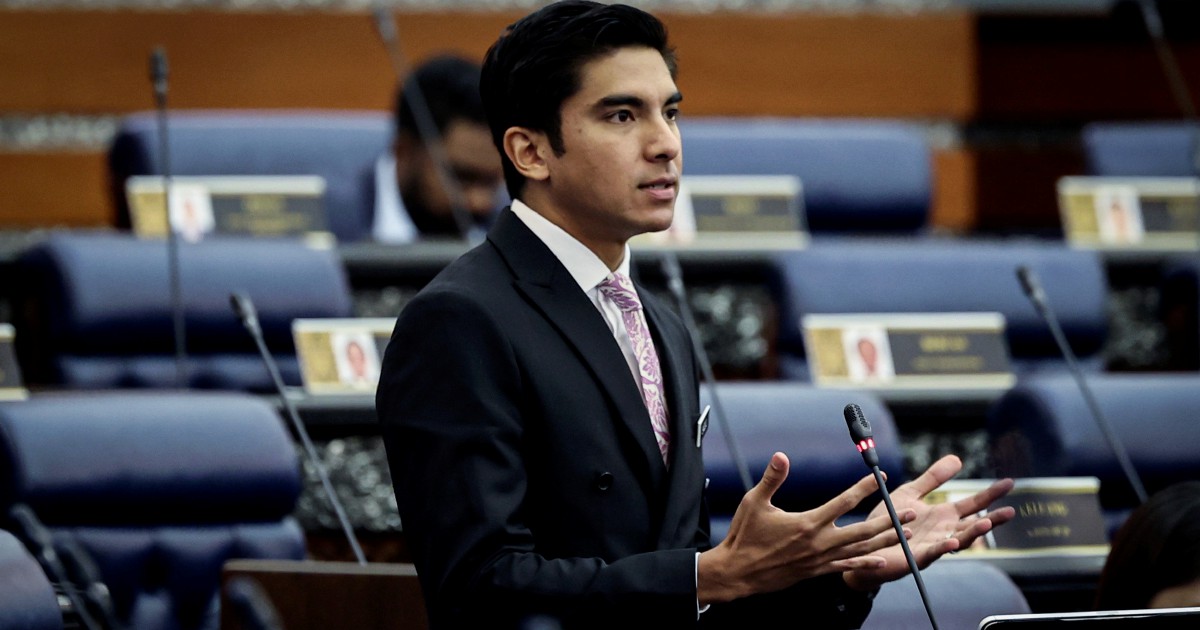
Parliamentary proceedings took a contentious turn as Muda-Muar MP Syed Saddiq Syed Abdul Rahman openly censured opposition lawmakers for their decision to absent themselves from deliberations on the Tabung Haji Royal Commission of Inquiry findings. The move, according to the vocal independent-aligned legislator, constituted a dereliction of duty toward the approximately 10 million individuals whose savings remain entangled in Malaysia's largest Islamic pilgrimage savings institution.
The Tabung Haji controversy has festered for years, with depositors increasingly anxious about the fund's financial health and governance structures. The establishment of the Royal Commission of Inquiry marked an official acknowledgement of systemic concerns, prompting expectations that parliament would engage in substantive examination of the commission's conclusions and recommendations. Instead, the opposition's collective withdrawal from these discussions has intensified frustrations among Tabung Haji contributors, many of whom are ordinary Malaysians from modest economic backgrounds who have channelled their earnings toward fulfilling the Islamic pillar of hajj.
Syed Saddiq's remarks reflect broader frustrations within government circles regarding what many perceive as performative opposition politics that prioritises institutional boycotts over genuine advocacy for aggrieved citizens. The Malaysian political landscape has witnessed recurring cycles of parliamentary walkouts and boycotts, tactics increasingly deployed by both government and opposition factions to make symbolic statements. However, when such manoeuvres involve matters affecting tens of millions of ordinary Malaysians, critics argue they represent a failure of parliamentary democracy's fundamental purpose—to provide citizens a collective voice through their elected representatives.
The Tabung Haji file encompasses multiple layers of complexity. Beyond questions of financial mismanagement and poor investment decisions, the institution's governance failures touch upon issues of public trust, religious institutional accountability, and the state's fiduciary responsibilities toward Muslims saving specifically for hajj pilgrimage. Previous parliamentary inquiries and media investigations have uncovered concerning practices, from questionable real estate ventures to inadequate disclosure mechanisms. The RCI report presumably addresses these accumulated grievances and proposes corrective measures that warrant legislative scrutiny.
For Malaysian depositors, the political theatre surrounding the RCI debate carries real consequences. Many have been unable to access their full savings or have experienced reduced returns on contributions accumulated over decades. Retirees planning hajj journeys have faced postponements. Families dependent on these savings for future educational or healthcare needs have confronted uncertainty. When opposition members absent themselves from parliamentary debate, these individuals lose a critical platform through which their elected representatives might agitate for accountability, demand transparency, or propose legislative remedies.
The opposition's rationale for boycotting the session likely centres on broader parliamentary disputes or disagreements with government conduct in other domains. Malaysian politics frequently features tit-for-tat escalations where one faction's actions precipitate retaliatory measures from the other. However, the Tabung Haji issue transcends partisan frameworks—it represents a genuinely cross-cutting concern that should theoretically unite legislators across ideological lines. The fund's beneficiaries span economic classes, regions, religious observance levels, and political affiliations.
Syed Saddiq's intervention carries weight given his positioning within Malaysian politics. As a younger legislator from Muda, a party positioning itself outside traditional binary partisan structures, his criticism potentially resonates with both government-leaning voters who view opposition boycotts as obstructionist, and reform-minded citizens frustrated that opposition parties claim to champion anti-establishment causes yet abandon specific constituencies. His invocation of the 10 million depositors frames the absence as a practical betrayal rather than merely a political disagreement.
The RCI's findings presumably outline specific institutional reforms, possibly including governance restructuring, enhanced regulatory oversight, or restitution mechanisms for aggrieved depositors. Parliamentary debate would normally illuminate these recommendations, permit government officials and opposition critics to interrogate implementation feasibility, and theoretically generate public pressure ensuring authorities adopt meaningful reforms. Without opposition participation, the legislative discussion loses dialectical tension and potential challenges to government positions.
For Southeast Asian observers, Malaysia's Tabung Haji saga reflects broader tensions affecting Islamic financial institutions across the region. Indonesia's hajj fund management, Saudi Arabia's arrangements for overseas pilgrims, and similar institutions elsewhere grapple with comparable governance challenges. Malaysia's handling of its Tabung Haji crisis—including whether parliament can muster genuine consensus on meaningful reform—may influence how peer institutions address their own institutional failures.
Looking forward, opposition parties face mounting pressure to explain their boycott rationale to constituents. Tabung Haji depositors dissatisfied with the fund's management may increasingly view opposition absence from relevant parliamentary proceedings as betraying their interests. This dynamic potentially strengthens Syed Saddiq's criticism and reinforces broader narratives about opposition parties prioritising symbolic protest over constituent advocacy. Whether opposition leadership ultimately reverses course or reintegrates into Tabung Haji-related parliamentary business remains uncertain, but the reputational calculus increasingly favours substantive engagement over tactical absence.

