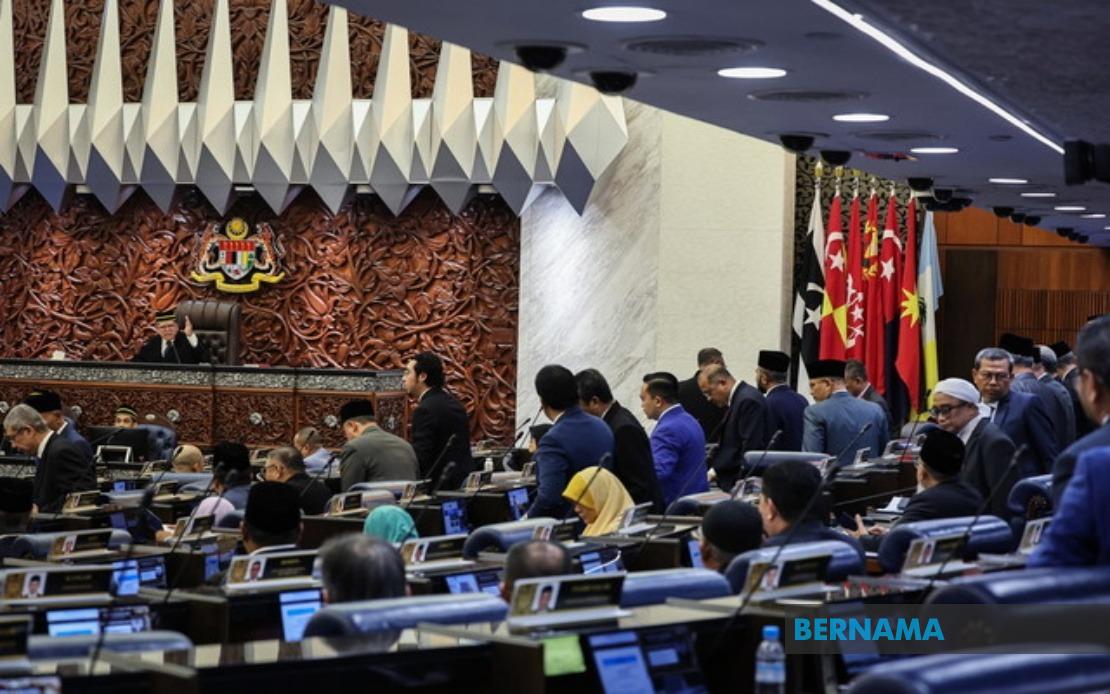
Opposition Members of Parliament staged a dramatic walkout from the Dewan Rakyat on August 11, refusing to participate in a ministerial briefing on the Royal Commission of Inquiry report examining the management and operations of Tabung Haji. The protest reflected mounting frustration within the opposition benches over what they viewed as the inappropriate timing and format of the special sitting, particularly given the unavailability of senior government figures.
The absence of Prime Minister Datuk Seri Anwar Ibrahim and Deputy Prime Minister Datuk Seri Fadillah Yusof—both undergoing medical treatment—became the focal point of opposition criticism. Perikatan Nasional opposition chief whip Datuk Seri Takiyuddin Hassan had formally proposed postponing the session prior to proceedings commencing, arguing that meaningful discussion of such an important report required the direct participation of the nation's top leadership rather than a junior minister briefing.
Dewan Rakyat Speaker Tan Sri Johari Abdul ultimately overruled the postponement request and permitted the special sitting to proceed as scheduled. When opposition MPs made clear their intention to leave in protest, Johari took a notably firm stance on the matter of parliamentary decorum and public accountability. His intervention, while allowing the walkout to happen without formal obstruction, carried an implicit criticism of the opposition's decision to absent themselves from deliberations on a matter of national importance.
The Speaker's comments during the session revealed the underlying tension between procedural regularity and the opposition's substantive concerns. By publicly noting that "the public is watching you" and inviting those who deemed the discussion unimportant to depart, Johari framed the walkout as a potential political liability for the opposition parties. This rhetorical move positioned the government as willing to proceed with transparency and scrutiny, while casting the opposition's absence as an abdication of parliamentary responsibility.
Following the opposition's departure, the briefing proceeded with Minister in the Prime Minister's Department (Religious Affairs) Dr Zulkifli Hasan presenting the RCI findings to the remaining legislators. This arrangement, however, highlighted a significant governance question: whether a comprehensive parliamentary discussion of such weighty institutional matters could adequately occur without representation from both government and opposition, and without the participation of the Prime Minister himself.
The Tabung Haji RCI report carries substantial weight within Malaysian governance circles. Tabung Haji, the state-backed pilgrimage fund that manages billions in deposits from Muslim Malaysians planning to perform the hajj, has been subject to scrutiny over its financial management and operational practices. Any royal commission inquiry into its functioning touches on both fiscal probity and religious trust—sensitive areas where the government's credibility and the rakyat's confidence intersect directly.
The opposition's complaint about the Prime Minister's absence gains additional resonance when considering that such a report requires authoritative governmental response. While a minister can certainly relay findings and outline preliminary reactions, the absence of the nation's chief executive from such proceedings can be perceived as minimising the report's significance or suggesting that government leadership has not fully engaged with its implications. Opposition MPs likely viewed the situation as an attempt to manage media narrative and parliamentary discussion without facing direct questioning from experienced legislators.
The health issues affecting both Anwar and Fadillah add a complicating factor to the political dynamics at play. While the government's explanation—that senior figures are medically unavailable—is medically legitimate, it also created an opening for opposition criticism regarding the timing and conduct of the special sitting. Opposition parties faced a strategic dilemma: accept a diminished briefing without key government principals, or register protest through walkout and risk appearing obstructionist to public observers.
The choice to walk out represents opposition parties' calculation that the reputational risk of absence is outweighed by the need to register substantive objection to the procedure employed. This decision will likely dominate parliamentary narrative and media commentary in coming days, potentially overshadowing the actual content of the RCI report itself. From a public relations standpoint, this outcome arguably benefits neither the government nor the opposition, as parliamentary dysfunction takes precedence over institutional accountability discussion.
For Malaysian citizens and regional observers, this episode underscores ongoing challenges in building consensus-based governance and cross-party collaboration on matters of national institutional importance. The Tabung Haji matter affects millions of Malaysian Muslims' savings and religious obligations, yet the parliamentary treatment of the RCI report has become entangled in procedural disputes and political positioning. The incident demonstrates how institutional tensions can eclipse substantive policy engagement, leaving important governance questions partially addressed.
Looking forward, the dynamics revealed in this parliamentary episode will likely influence how other significant reports and inquiries are presented and debated in the Dewan Rakyat. Both government and opposition will face questions about whether procedural orthodoxy or political principle should govern parliamentary response to critical institutional investigations. The broader implication extends to regional legislative bodies across Southeast Asia, where similar tensions between executive authority and opposition scrutiny periodically surface and require careful navigation.

