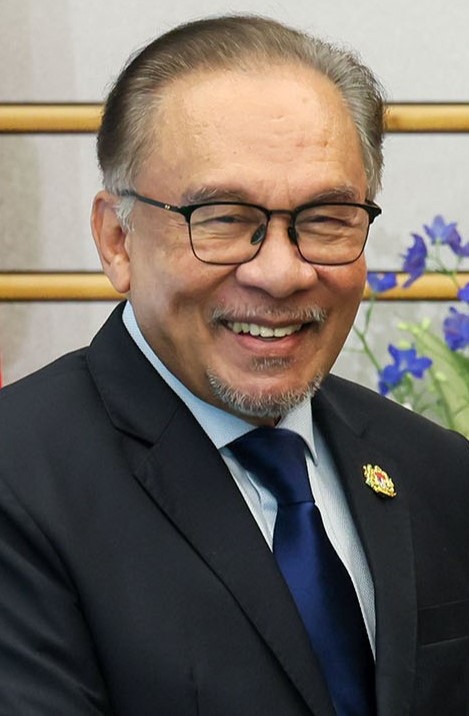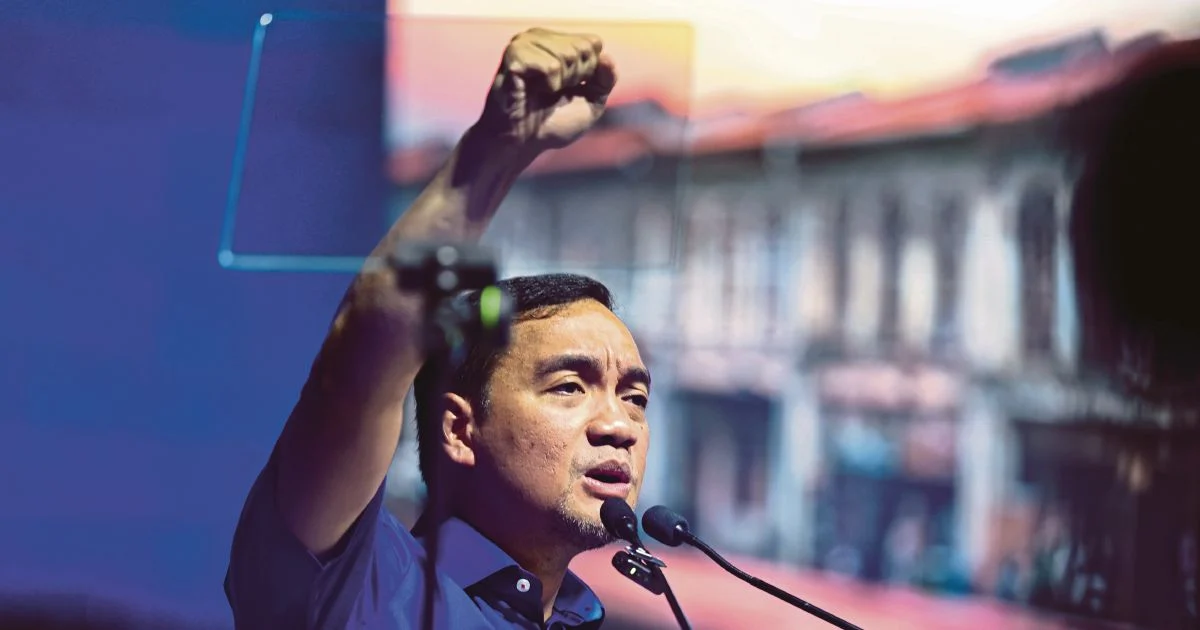
Datuk Onn Hafiz Ghazi, Johor's caretaker Menteri Besar, has announced his decision to stand for re-election in the Machap state constituency in the forthcoming Johor polls. The announcement represents a critical moment in the southern state's political cycle, as voters prepare to determine the direction of one of Malaysia's most economically significant regions. Machap, located in the Batu Pahat district, has been Onn Hafiz's political base, and his candidacy underscores the continuity he seeks to establish in Johor's governance.
Onn Hafiz's decision to defend his seat comes at a pivotal juncture for both the state government and his own political trajectory. As caretaker Menteri Besar, he continues overseeing state affairs during the interim period before the election, maintaining administrative functions whilst positioning himself for a fresh electoral mandate. His move to contest from Machap signals confidence in his incumbency advantage within the constituency, where he has previously secured electoral victories and built a local political machinery.
The Machap constituency holds particular significance within Johor's political landscape. Situated in the Batu Pahat administrative division, the seat encompasses communities with diverse economic interests ranging from agriculture and small-scale commerce to industrial and service sectors. The constituency's demographic composition includes both urban and semi-rural populations, presenting distinct policy challenges and opportunities. Onn Hafiz's retention of this seat would be essential to any claims of a strong mandate from voters, particularly given its role as a barometer of his personal popularity amongst his grassroots supporters.
Johor state elections carry weight beyond the sultanate's borders given the state's economic importance to Malaysia. As a major manufacturing and trade hub, Johor's governance directly influences regional investment patterns and development trajectories. The state's fiscal health and administrative efficiency matter to businesses and investors monitoring political stability in Southeast Asia's emerging economies. An Onn Hafiz victory would likely reassure investors seeking continuity in state-level policy frameworks, whereas an unexpected defeat could trigger broader concerns about governance transitions.
The timing of the state election reflects the state's constitutional requirements and cycles of political renewal. Malaysia's state elections do not coincide with federal parliamentary cycles, creating distinct political moments where voters focus exclusively on state-level representation and governance. For Johor specifically, this separation allows voters to evaluate state government performance independently of federal political dynamics, though both spheres inevitably influence one another through party politics and leadership calculations.
Onn Hafiz's tenure as Menteri Besar prior to caretaker status was marked by various infrastructure and economic development initiatives. His government pursued several high-profile projects aimed at enhancing Johor's competitive position within Malaysia's economic hierarchy. The extent to which voters credit his administration with beneficial outcomes versus attributing achievements to broader economic trends or federal assistance will likely influence their voting calculations in Machap and across the state.
The political party structure surrounding Johor elections encompasses both established national coalitions and emerging political realignments. The state has historically served as a significant power base for various political movements, with constituencies like Machap functioning as both symbols of political strength and operational foundations for generating electoral momentum. Onn Hafiz's party affiliation and his position within broader coalition dynamics will shape the broader election campaign strategies across multiple constituencies.
Machap voters will weigh several considerations in their electoral decision. These include constituency-specific development outcomes, state-level policy performance, individual candidate performance and reputation, and broader national political considerations filtering down through party allegiances. The extent of grassroots engagement, community sentiment regarding economic opportunities, and perceptions of administrative competence typically influence such decisions, though personality politics and factional considerations within parties also play significant roles in Malaysian electoral behaviour.
The election campaign period will witness intensified competition as opposition and rival coalition candidates mobilize to challenge Onn Hafiz's incumbency. Campaign messaging will likely emphasize contrasting visions for Johor's future, different approaches to economic development, and evaluations of past performance. Voter turnout patterns, shifting demographic compositions within the constituency, and any broader political surprises at the national level could all influence the final outcome.
For Johor's broader political trajectory, an Onn Hafiz victory in Machap would affirm his position as a central figure in state politics, whilst simultaneously validating his administration's record among his own constituents. Conversely, any unexpected challenge to his seat would signal significant shifts in voter sentiment or organizational effectiveness. Either outcome carries implications extending beyond Machap into the state's overall political configuration and the broader equations determining Johor's governance structure for the electoral term ahead.