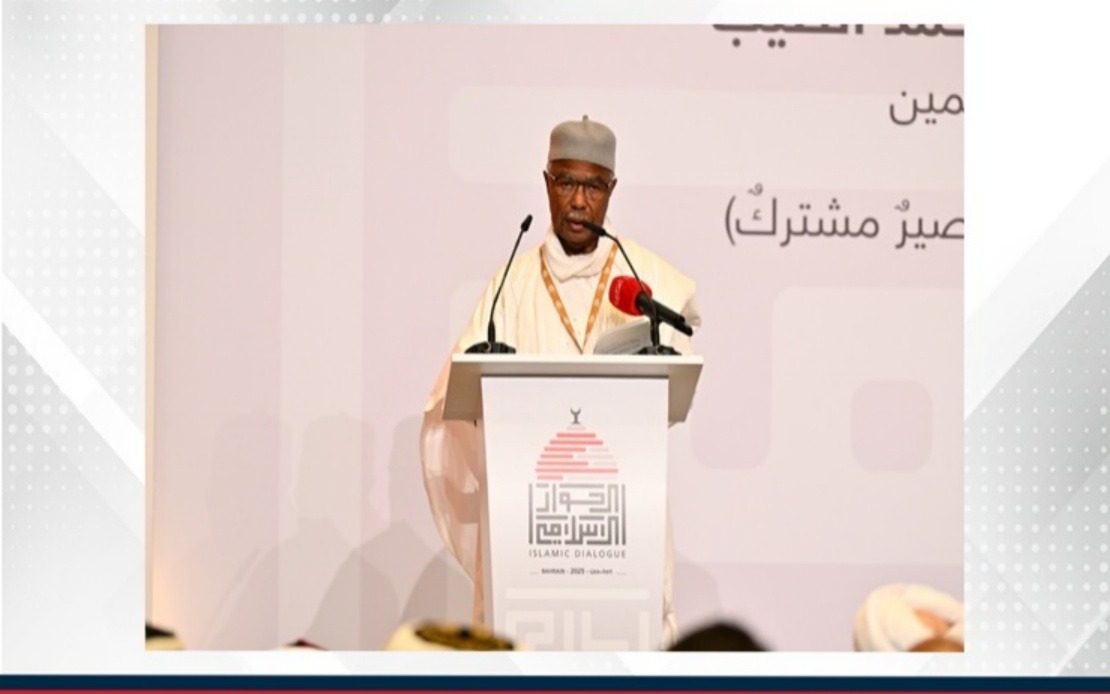
The Organisation of Islamic Cooperation has formally endorsed the Mecca Joint Defence Agreement signed by Saudi Arabia, Turkey, and Pakistan, characterizing the trilateral pact as a transformative initiative for regional security cooperation. OIC Secretary-General Sharein Brahim Taha issued a statement expressing strong backing for the accord, which was executed at Al-Safa Palace in Mecca during a summit involving Turkish President Recep Tayyip Erdogan, Saudi Crown Prince Mohammed bin Salman, and Pakistani Prime Minister Shehbaz Sharif.
Taha framed the agreement as more than a conventional bilateral arrangement, calling it an "important strategic step" that demonstrates the three nations' determination to deepen regional and international cooperation. His characterization carries significance given the OIC's role as the principal voice of the Muslim world's 57 member states. By positioning the accord as addressing collective security concerns rather than bilateral interests alone, the OIC chief sought to signal that this pact represents a broader shift in how major Islamic-majority powers approach regional challenges and mutual defense obligations.
According to Turkish officials familiar with the agreement's architecture, the pact establishes a framework grounded in mutual defense principles rather than targeting any particular nation. The accord stipulates that an armed attack against any of the three signatories shall be construed as an attack upon all three, creating a binding collective security mechanism. This clause represents a significant escalation in formal commitments among the three countries, moving beyond consultative arrangements toward explicit military alliance structures that would obligate joint responses to external aggression.
The timing and composition of this agreement warrant careful examination for Malaysian and Southeast Asian observers. The convergence of Saudi Arabia's economic and religious authority, Turkey's regional military capabilities and NATO membership, and Pakistan's substantial armed forces creates a formidable coalition within the Islamic world. For Malaysia and its ASEAN neighbors, this trilateral arrangement underscores how major powers outside the region are consolidating their strategic positions, particularly as geopolitical competition intensifies across Asia and beyond.
Taha emphasized that the agreement constitutes "a fundamental pillar for supporting security and stability in the region and across the Muslim world," indicating the OIC views this pact as extending beyond the immediate geographical interests of the three signatories. This interpretation suggests the organization perceives the accord as addressing systemic security challenges affecting multiple Muslim-majority regions simultaneously. The reference to "across the Muslim world" implies recognition that threats to regional stability in one area—whether the Middle East, South Asia, or elsewhere—carry implications for Islamic cooperation frameworks globally.
The Secretary-General further noted that the pact reflects a shared commitment to addressing mounting security challenges through enhanced solidarity and constructive partnerships among OIC member states. This language indicates the agreement is positioned as a response to deteriorating security environments and mounting threats that individual nations struggle to counter alone. In the contemporary context, these challenges encompass terrorism, sectarian instability, maritime security threats, and power competition involving major external actors seeking influence throughout Muslim-majority regions.
Official statements from Turkish officials clarified that the agreement emphasizes burden-sharing and a common security approach rather than constituting an instrument of aggression or exclusion. This framing attempts to neutralize potential criticisms from non-signatory states or external powers that might view the pact as a concerning escalation in regional armament. By anchoring the agreement to principles of peace and stability, the three nations seek legitimacy for what amounts to a formal military alliance within Islamic cooperation frameworks.
The Mecca location for this agreement carries symbolic weight within Islamic geopolitics. Situated in Islam's holiest city, the signing emphasizes the religious and civilizational dimensions of the partnership alongside its strategic military components. For audiences throughout the Muslim world, the choice of venue reinforces messaging that this arrangement transcends narrow national interests and instead represents a collective effort to advance Islamic solidarity and security. This symbolism also differentiates the accord from conventional great power alliances, anchoring it instead within an Islamic identity framework.
For Malaysia's foreign policy establishment, this development merits close attention given the nation's position as an active OIC member with growing strategic interests across both the Middle East and Indian Ocean regions. The consolidation of military cooperation among three significant powers may create both opportunities and constraints for Southeast Asian nations seeking balanced relationships across major blocs. Malaysia's own security partnerships and regional diplomacy must account for these evolving configurations among larger Muslim-majority states.
The agreement also reflects broader patterns of strategic realignment within the Islamic world that have accelerated in recent years. The rapprochement between Saudi Arabia and Turkey, following periods of rivalry and competition, demonstrates how shared security concerns can override previous disputes. Pakistan's participation extends the coalition's reach into South Asia while reinforcing its own strategic positioning in regional competitions. These realignments carry implications for how influence and authority are distributed within OIC structures and broader Islamic cooperation architecture.
Taha's expression of hope that the pact would "contribute to achieving peace and prosperity in the region and the wider international community" represents an optimistic assessment that multilateral military cooperation can serve stabilizing functions. However, history suggests that formal defense alliances sometimes intensify security dilemmas rather than alleviating them, as non-member states perceive exclusion as threatening and respond by strengthening their own security arrangements. The actual consequences of this agreement will depend substantially on how the three signatories implement its provisions and manage the expectations created by this high-profile commitment.
The broader implications for regional security architecture extend beyond the immediate parties. As established powers continue forming new alignments and formalizing defense commitments, smaller and medium-sized states must recalibrate their own security strategies and diplomatic positioning. For ASEAN nations including Malaysia, the proliferation of regional military partnerships underscores the importance of maintaining strategic autonomy while building constructive relationships across multiple geopolitical configurations.

