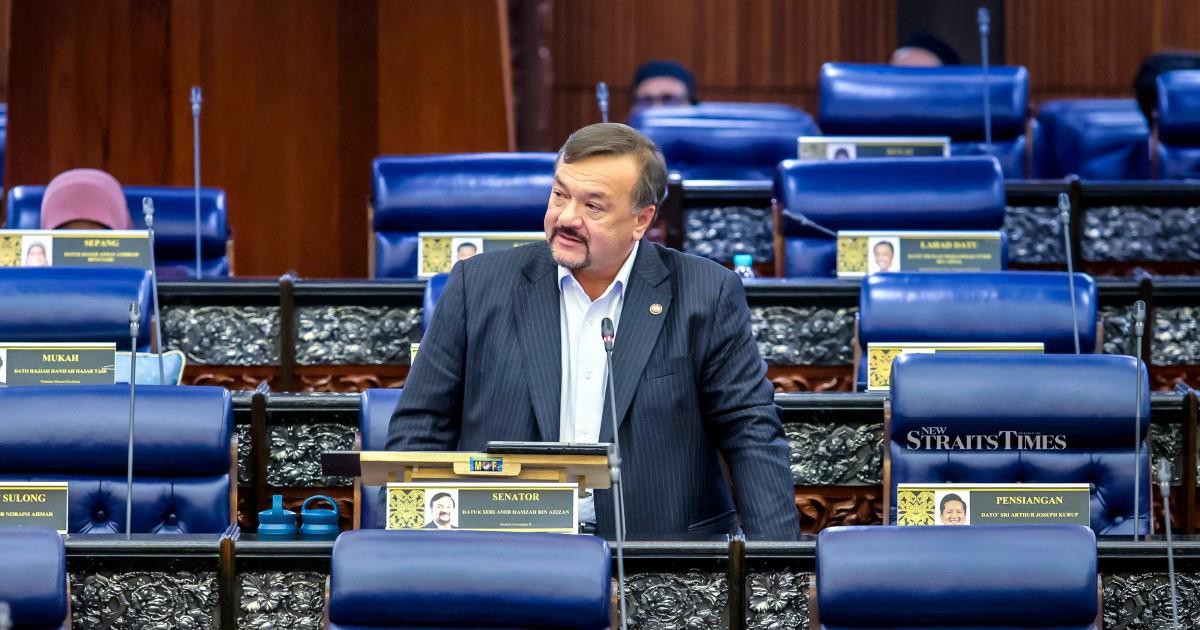
Authorities have made clear that investigations into Tabung Haji will proceed without any interference or preferential treatment for those implicated in financial impropriety at the Islamic pilgrimage fund. The government's stance signals a commitment to accountability at an institution that has faced mounting scrutiny over its management practices and investment strategies over recent years. This declaration comes as probes into the institution's operational history intensify, with particular focus on how senior management handled the fund's assets and made critical financial decisions.
Tabung Haji, formally known as the Pilgrims Fund Board, manages savings for Malaysians preparing for the hajj pilgrimage to Mecca. The institution holds substantial assets and serves millions of Malaysian Muslims who have accumulated deposits over decades. Its prominence in Malaysia's Islamic financial landscape makes governance failures particularly consequential, as they directly affect the retirement and pilgrimage plans of ordinary Malaysian households.
Recent scrutiny of the fund has centred on questionable investment ventures and management decisions that allegedly eroded shareholder value. Earlier controversies surrounding the institution's strategic investments and corporate governance have prompted calls for comprehensive reviews of how leadership conducted financial affairs. The investigations now underway are meant to establish facts about decision-making processes and identify individuals responsible for any breaches of fiduciary duty.
The government's refusal to shield anyone represents a departure from historical patterns in Malaysian governance, where political connections sometimes insulated officials from accountability. By publicly committing to impartial proceedings, authorities are attempting to restore public confidence in institutions that have suffered reputational damage. This approach also reflects broader regional and global pressures toward stronger governance standards in Islamic financial institutions, particularly those holding public deposits.
For Malaysian investors and depositors in Tabung Haji, the government's assurance carries significant weight. Many ordinary Malaysians view the fund not merely as an investment vehicle but as a trusted custodian of their religious obligations and life savings. Any mismanagement directly impacts their ability to fulfill the hajj, one of Islam's five pillars, and undermines the integrity of Islamic finance domestically.
The investigation's scope appears comprehensive, examining both investment decisions and broader financial management frameworks. This includes scrutinising whether proper oversight mechanisms existed, whether conflicts of interest influenced decisions, and whether fiduciary standards were upheld. Such thoroughness is essential if the institution is to rebuild credibility with depositors who may harbour concerns about the safety of their funds.
The pledge of impartial investigation also carries implications for corporate governance discussions across Malaysian business and financial sectors. If carried through consistently, it could establish precedent for holding senior management in other large institutions accountable without regard to political networks or seniority. This matters particularly for other sovereign wealth funds, pension schemes, and large Islamic financial bodies that manage public or community assets.
Southeast Asia's financial institutions have increasingly faced calls for transparency and stronger governance standards. Malaysia's willingness to investigate Tabung Haji publicly and without protection for the powerful sends signals about institutional maturity and commitment to rule of law. Neighbouring countries and international investors watch such cases closely as indicators of a jurisdiction's approach to financial sector accountability.
The practical implementation of this commitment will prove crucial. Malaysian authorities must ensure that investigations proceed without political interference, that evidence is handled properly, and that any prosecutions meet rigorous standards of due process. Public confidence depends not just on promises of impartiality but on transparent processes that demonstrate independence in fact, not merely in assertion.
For depositors awaiting clarity, the investigations represent both hope and uncertainty. Resolution could restore confidence in Tabung Haji's management and allow the institution to move forward with renewed governance frameworks. Conversely, if investigations reveal systematic failures or widespread impropriety, public trust may require more fundamental institutional restructuring. Either way, the government's commitment to investigate without shielding wrongdoers represents a necessary step toward accountability that Malaysian citizens deserve from institutions entrusted with their savings and their paths to fulfilling religious duties.

