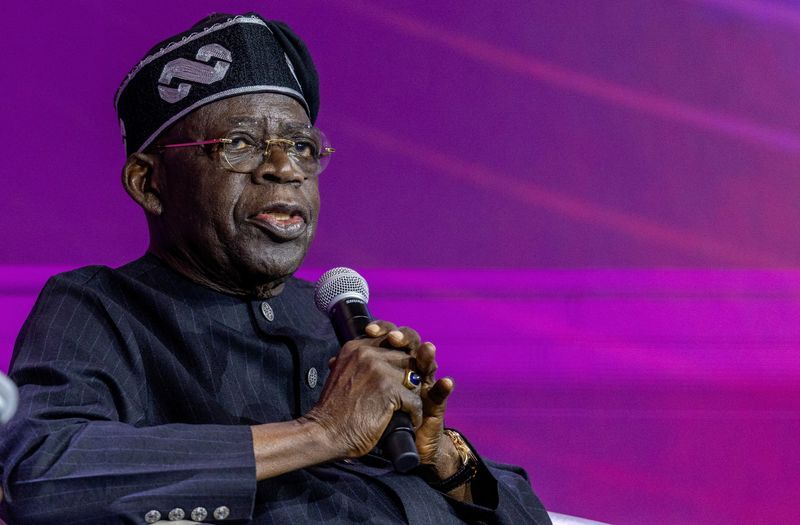
Nigeria has embarked on a significant regulatory push against global technology companies, with President Bola Tinubu directing the Federal Competition and Consumer Protection Commission to probe major digital platforms over allegations of anti-competitive conduct and unlawful appropriation of news content. The directive, announced by the FCCPC late Monday, represents a watershed moment for African digital regulation and signals growing frustration among Nigerian media stakeholders over how international tech giants monetize journalistic material without adequate compensation.
The investigation stems from a formal complaint lodged by the Nigerian Press Organisation, a coalition representing newspaper proprietors, journalism unions, broadcasters and digital publishers across the country. This unified front demonstrates the breadth of concern within Nigeria's media sector, spanning traditional and emerging outlets that collectively reach millions of Nigerians daily. The complaint specifically targets Meta, Alphabet—Google's parent company—X (formerly Twitter) and various generative artificial intelligence platforms operating within Nigeria's borders, suggesting these firms are the primary beneficiaries of content redistribution practices that undermine publisher revenues.
At its core, the FCCPC inquiry will scrutinize multiple dimensions of alleged wrongdoing. Investigators will examine whether these technology companies hold dominant market positions they have abused to disadvantage competitors, and whether they have engaged in broader anti-competitive behaviour that stifles fair competition in Nigeria's digital ecosystem. Crucially, the regulator will also assess claims that these firms have extracted copyrighted news and broadcast material without authorization and subsequently commercialized such content—a practice that drains revenue streams from the publishers who invested in reporting and production. Additionally, the investigation will probe whether journalistic material has been fed into AI training datasets without proper licensing agreements or compensation arrangements.
The major technology companies named in the investigation—Meta, Alphabet and X—declined to provide immediate comment when contacted by news organizations, a response that reflects the delicate position these firms occupy as they navigate increasingly assertive regulatory environments globally. Their silence may also indicate internal legal assessments of exposure in a jurisdiction where they generate substantial advertising revenues but face mounting political pressure from content creators and media organizations seeking a more equitable distribution of digital advertising value.
This regulatory action carries profound implications for how technology companies conduct business across Africa's most populous nation and the wider continent. Nigeria's probe represents a test of whether African regulators can effectively constrain the market power of multinational digital platforms whose algorithms, business models and products have fundamentally reshaped the economics of news production and distribution. The outcome will likely influence regulatory approaches adopted by other African nations grappling with similar tensions between global tech platforms and local media industries.
The FCCPC has emphasized that its investigation operates on the presumption of innocence, with no predetermined conclusions regarding corporate wrongdoing. The regulator pledged that all companies under investigation will receive opportunities to present their positions and submit evidence before any determinations are made. This procedural fairness stance provides the tech firms a pathway to engage constructively with Nigerian regulators, though it remains uncertain whether settlements or concessions might emerge from the process.
Nigeria's move mirrors regulatory activism in other regions confronting similar challenges. South Africa's competition authorities demonstrated this approach's potential when they secured substantial commitments from Google and YouTube last year, including a 688 million rand media support package worth approximately $42 million, following a comprehensive inquiry into how digital platforms interact with news media. That outcome provided South African publishers with meaningful financial relief and set precedent for what African regulators might demand from tech giants in settlement negotiations.
European regulators have similarly pursued aggressive enforcement. France imposed a €500 million penalty on Google in 2021, penalizing the company for failing to negotiate in good faith with news publishers and for breaches connected to how AI systems utilized publisher content without proper licensing. The French action demonstrated that even dominant technology companies face consequences for circumventing established copyright frameworks, regardless of their market position or global influence.
Anglophone jurisdictions have adopted different but equally consequential approaches. Australia pioneered a mandatory bargaining framework forcing technology platforms to negotiate with news publishers or face regulatory intervention, producing genuine payment agreements between tech companies and media organizations. Canada has followed a similar path, legislating bargaining requirements that compel platforms to compensate publishers for content used to generate revenue. These diverse regulatory models suggest that technology companies can be compelled to modify practices and transfer payments to content creators when political will and legal frameworks align.
For Malaysia and Southeast Asia more broadly, Nigeria's regulatory initiative carries instructive value. Regional policymakers observing the Nigerian case will assess whether African regulatory capacity can constrain technology giant practices, and whether settlements achieved could serve as templates for Southeast Asian nations. Malaysia's own media industry faces comparable pressures from algorithm-driven content distribution, audience migration to social platforms, and the integration of journalistic material into AI training datasets. A successful Nigerian regulatory outcome might embolden Malaysian authorities to pursue comparable investigations and negotiate similar compensation frameworks.
The investigation also reflects a broader recalibration of power dynamics between content creators and technology platforms globally. Whereas the internet's early years saw technology companies accumulate substantial market power with minimal regulation, the current period witnesses media organizations, regulators and governments reasserting claims over intellectual property, market fairness and the proper distribution of digital advertising revenue. Nigeria's action participates in this worldwide trend toward constraining tech company discretion and forcing more equitable arrangements with the journalists and publishers whose material attracts users and generates platform value.
The timing of Nigeria's investigation proves significant given Africa's growing economic importance and the continent's expanding digital populations. With over 280 million Nigerians and increasing internet penetration, the country represents an increasingly valuable market for technology platforms seeking engagement and advertising revenue. Nigerian regulators recognize this leverage and appear willing to exercise it, signaling that companies operating in African markets cannot indefinitely ignore local stakeholder concerns or operate according to business models accepted in other regions.
As the investigation unfolds, the technology companies under scrutiny will face decisions about whether to contest allegations, seek settlements, or modify practices voluntarily. The outcome will likely establish benchmarks that shape how Meta, Alphabet, X and AI platforms interact with Nigerian media organizations and potentially influence their conduct across Africa. For Nigerian publishers and journalists, the investigation represents an opportunity to secure sustainable revenue models and establish precedent that their intellectual property carries value worthy of compensation in the digital economy.

