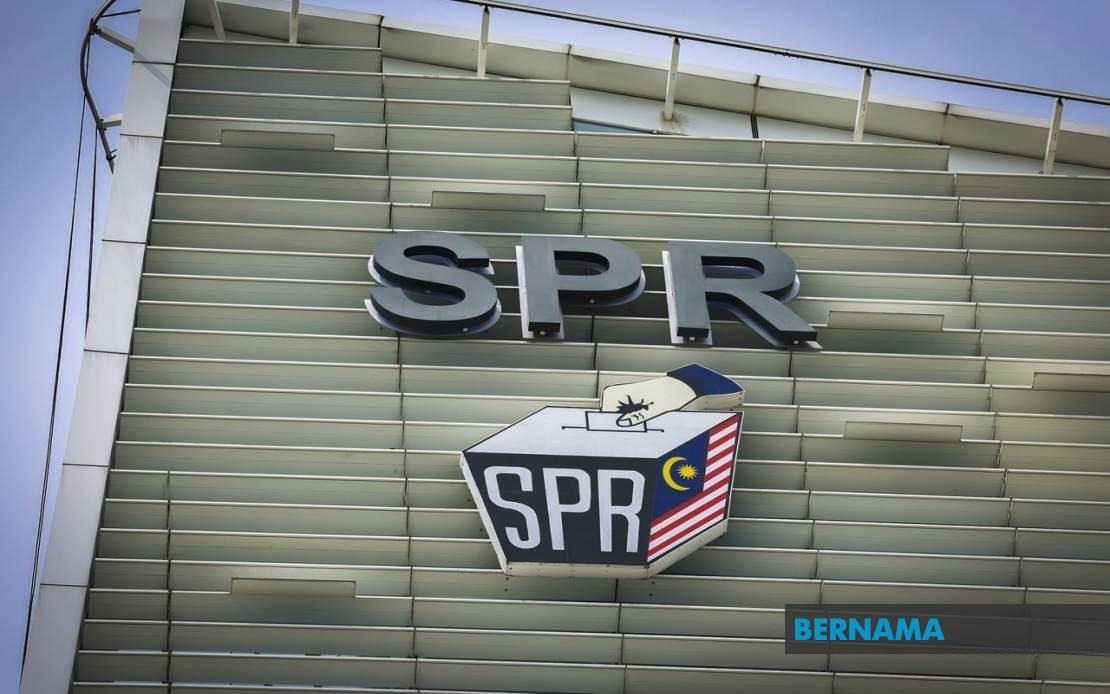
The 16th Negeri Sembilan State Election enters its critical opening phase tomorrow as nomination day unfolds across the state, signalling the formal start of a 14-day campaign period that will determine control of all 36 legislative seats. The event marks a pivotal moment in Malaysia's electoral calendar, with eight nomination centres positioned throughout the state to process candidate registrations during a narrow two-hour window from 9 am to 10 am. Returning officers will subsequently announce the final roster of eligible contenders, setting the parameters for what observers expect to be a closely fought three-way contest between the dominant coalitions and emerging challengers.
The Electoral Commission has confirmed that approximately 889,490 voters possess the right to participate in the August 1 polling day, representing a substantial participation opportunity across Negeri Sembilan. This figure comprises 867,151 ordinary voters alongside 16,884 military personnel and their spouses, plus 5,455 police personnel and their dependents. Early voting has been scheduled for July 28, providing flexibility for service members and other citizens unable to vote on the primary polling date. The voter distribution across these categories reflects the demographic composition of the state and highlights the significant military and security presence within Negeri Sembilan's electoral framework.
Pakatan Harapan has mounted an all-seat strategy, fielding candidates in every single constituency to maximise its chances of capitalising on voter momentum. The coalition combines resources from three component parties: PKR fields 16 candidates, DAP contributes 11, and Amanah provides nine representatives. This comprehensive approach demonstrates PH's confidence in the electoral landscape following its performance in the 2023 state election, when it secured 17 of the 36 seats and established itself as the leading force in Negeri Sembilan politics. The distribution of candidates among the coalition partners reflects their respective strengths and electoral calculations for individual constituencies.
Barisan Nasional, seeking to reclaim its previous dominance, has selected a more selective slate of 25 candidates rather than contesting all seats. UMNO anchors this effort with 16 nominees, while MCA and MIC contribute seven and two candidates respectively. This measured approach suggests BN is concentrating resources on constituencies where its historical support remains strongest, rather than spreading itself thin across all divisions. In the previous state election, BN captured 14 seats, positioning it as the second major force that nevertheless trails PH significantly.
Perikatan Nasional presents a fragmented picture that reflects internal tensions within the coalition. The bloc officially contests 11 seats through its component parties, with PAS fielding five candidates, Gerakan and the Malaysian Indian People's Party each providing one nominee, and Parti Wawasan Negara—making its electoral debut as PN's newest member—contributing four candidates. However, Bersatu, another PN member party, has elected to contest independently under its own party symbol rather than within the coalition framework, a development that underscores strategic disagreements about positioning and candidacy within PN structures. This split approach complicates PN's messaging and potentially diminishes its collective impact, even as the coalition collectively maintains presence across multiple constituencies.
Smaller parties and independent groupings add complexity to the electoral equation. Parti Orang Asli Malaysia and Parti Sosialis Malaysia each field a single candidate, while Parti Barisan Jemaah Islamiah Se-Malaysia is expected to present seven nominees. Notably, MUDA, Pejuang, and Bersama have opted not to contest the election, effectively ceding the field to larger established organisations. This withdrawal narrows the range of electoral alternatives available to voters and concentrates competition among the major coalitions and selected smaller players.
The Election Commission has implemented practical guidance to facilitate the nomination process and reduce procedural complications on the day. Prospective candidates are strongly encouraged to have their nomination documents vetted in advance through the Returning Officer's Office or the State Election Office, ensuring compliance with all technical requirements. The Commission has also recommended that candidates settle their election deposits ahead of nomination day and bring payment receipts as evidence of compliance. These administrative measures aim to streamline operations and minimise rejections or disputes during the formal nomination window.
Weather considerations may influence voter turnout and campaign activities on nomination day, with the Malaysian Meteorological Department issuing a conditional forecast. The prediction indicates generally fair conditions across most areas during Saturday morning, with exceptions for Port Dickson and Seremban, where rainfall is anticipated. Afternoon thunderstorms are forecast to sweep across Negeri Sembilan, a pattern typical of the monsoon season that could affect candidate movements and public campaign visibility. Despite these meteorological challenges, nomination day is expected to proceed as scheduled, with political parties and candidates adapting their activities accordingly.
The constitutional foundation for this election was established on June 5, when the Negeri Sembilan State Legislative Assembly was dissolved with formal consent from Tuanku Muhriz Tuanku Munawir, the Yang Dipertuan Besar of Negeri Sembilan. This constitutional dissolution triggered the entire electoral machinery, establishing the timeline that culminates in tomorrow's nomination day and subsequent polling. The intervening period has allowed political parties to crystallise their strategies, finalise candidate selections, and mobilise support across the state's various communities and constituencies.
The current election assumes heightened significance when contextualised against the 2023 state election results, which created a fragmented legislative landscape without clear single-party dominance. PH's acquisition of 17 seats positioned it to form government but without overwhelming parliamentary strength, while BN's 14 seats and PN's five seats meant multiple options for coalition-building and legislative alliances. The new election presents an opportunity for one of these forces to consolidate advantage or for the opposition to recover ground lost in the previous contest. The stakes extend beyond state-level governance, as Negeri Sembilan's political trajectory often influences broader national calculations within Malaysia's federal framework and inter-coalition dynamics.

