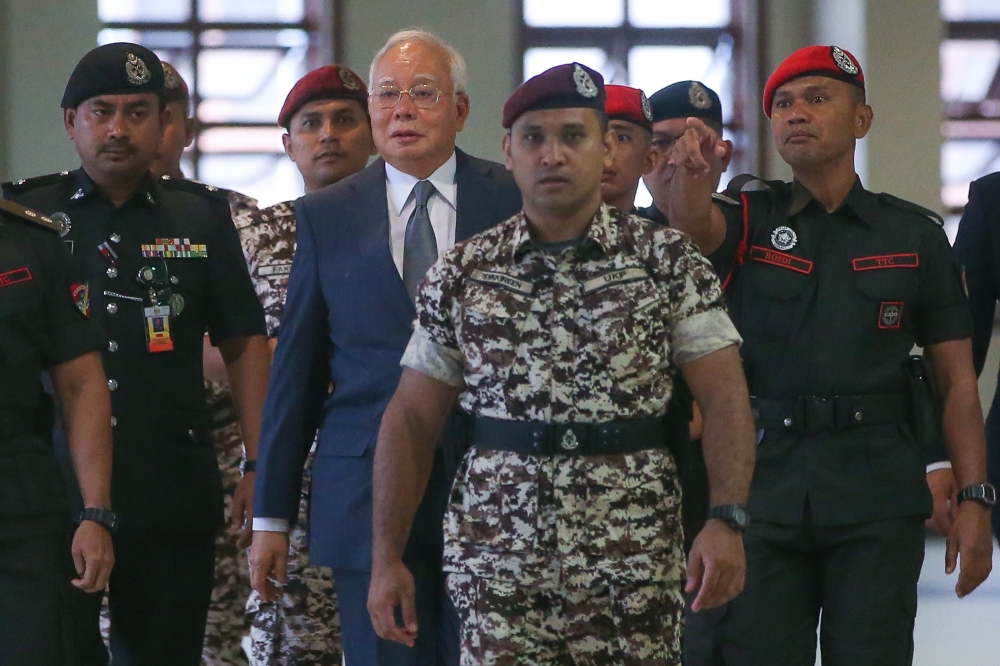
The High Court in Kuala Lumpur has been presented with evidence suggesting that former Prime Minister Datuk Seri Najib Tun Razak returned approximately US$620 million following the 2013 general election due to personal unease about keeping such substantial funds, according to proceedings disclosed on August 11.
This disclosure forms part of the testimony in Najib's trial, which centres on allegations relating to the management of state finances and significant financial transfers. The framing of the return as motivated by psychological discomfort rather than other considerations introduces a notable dimension to the court's examination of the former leader's conduct during a pivotal moment in Malaysian political history.
The 2013 general election marked a significant juncture for the administration, as it represented the moment when Najib's government secured its mandate to continue in office. The handling of large sums during this period has remained under intense scrutiny, with various legal and investigative agencies examining the flow of funds and the decision-making processes surrounding them.
The testimony suggesting personal discomfort as a rationale for returning such a substantial amount carries implications for understanding how high-level financial decisions were made within the executive branch. It speaks to the broader question of governance standards and the protocols—or lack thereof—that may have governed the movement of significant capital through state institutions.
For Malaysian observers, this revelation underscores the complexity of the cases being examined in court. The notion that such enormous sums could be held by individual leaders, subject only to their personal comfort level with retention, contrasts sharply with contemporary expectations of institutional checks and transparent financial management in democratic systems.
The return of the funds, while potentially viewed as a corrective action, also raises questions about why such amounts were in a position to be held in the first place and what safeguards, if any, existed to oversee their disposition. The High Court's exploration of these circumstances reflects the judiciary's effort to establish a comprehensive record of how resources were managed during the government's tenure.
The trial itself has attracted sustained attention both domestically and internationally, as it involves questions about fiscal responsibility at the highest levels of government. Previous Malaysian administrations have faced criticism regarding financial transparency, and this case represents an opportunity for the legal system to examine specific instances and establish standards for accountability.
Regional observers have noted that governance and financial accountability remain critical issues across Southeast Asia. Malaysia's handling of such cases may influence broader regional conversations about institutional strength and the rule of law, particularly regarding the extent to which even senior political figures remain subject to judicial scrutiny and legal constraints.
The evidence presented in court serves multiple purposes: it contributes to the factual record being established by the judiciary, it provides transparency to the public about how such matters are being examined, and it tests the legal frameworks available to hold leaders accountable for their decisions regarding public resources.
Najib's legal team will likely present their own interpretations of why funds were returned and what this signifies about their client's intentions and conduct. The High Court must weigh competing narratives and examine documentary evidence to construct its own findings regarding the motivations and legality of the transactions in question.
The case continues to unfold with testimony from various witnesses and the presentation of financial documentation. Each disclosure adds another layer of complexity to the public understanding of events that occurred during a government that lasted from 2009 until 2018, when electoral results led to a change in administration.
As the proceedings continue, Malaysian citizens and regional observers are gaining detailed insight into how judicial examination of high-level governance can function. The transparency of court proceedings, despite their technical complexity, reflects a commitment to ensuring that the public record remains open and that governance questions receive thorough legal examination rather than remaining hidden from public view.

