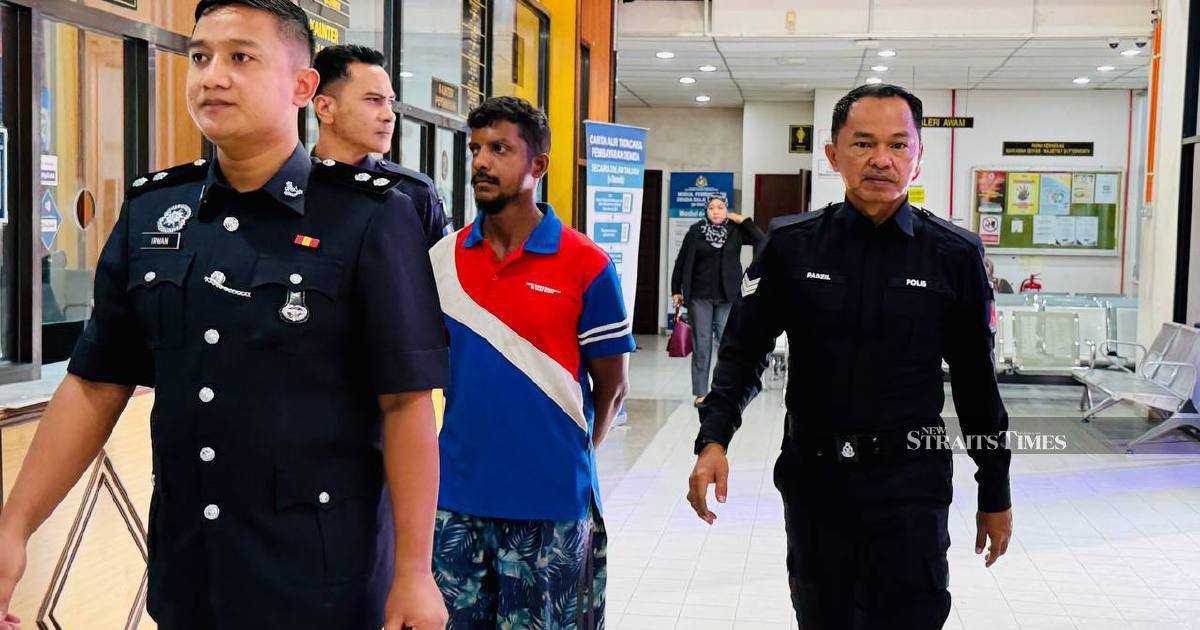
A Myanmar national faced formal proceedings in the Butterworth Sessions Court on charges of inflicting grievous bodily harm on a compatriot during an incident last week. The accused made his initial court appearance following his arrest in connection with the alleged assault, which resulted in significant injury to the victim.
Malaysia regularly deals with cross-border dispute cases involving migrant workers and foreign nationals, particularly from Myanmar, which maintains substantial communities throughout Peninsular Malaysia and East Malaysia. Butterworth, located in Penang and serving as a major transport hub, frequently processes cases involving individuals from neighbouring countries. The grievous hurt charge carries serious implications for the accused, as it indicates injuries extending beyond simple bruises or minor wounds to constituting significant bodily harm requiring medical attention.
During the court hearing, the magistrate denied bail to the defendant pending completion of identification verification procedures. This decision reflects standard protocol when foreign nationals lack immediately available documentation. The withholding of bail underscores judicial caution in cases where identity confirmation remains incomplete, as such documentation is essential for ensuring the accused's appearance at subsequent hearings and for establishing legal residence or employment status.
The requirement for proper identification documentation highlights a recurring challenge within Malaysia's criminal justice system when processing cases involving undocumented or inadequately documented foreign workers. Many Myanmar nationals working in Malaysia operate within informal employment sectors where identity verification becomes complicated, leaving authorities unable to quickly confirm personal details, background, or immigration status. This procedural hurdle, while protective of court proceedings, often extends detention periods for accused persons awaiting trial.
The incident itself occurred within the preceding week, indicating relatively recent occurrence prior to the court appearance. The fact that the victim was also a Myanmar national suggests the assault may have arisen from personal disputes within migrant worker communities rather than broader criminal enterprise. Grievous hurt cases typically involve allegations of serious violence—including lacerations, fractures, or injuries causing temporary or permanent disability—distinguishing them from simpler assault charges.
Butterworth's jurisdiction encompasses several residential areas populated by foreign workers, particularly in the manufacturing and service sectors. Disputes among migrant worker populations sometimes escalate to physical confrontation, particularly when cultural misunderstandings, economic tensions, or accommodation grievances create friction. The Sessions Court handles more serious criminal matters, suggesting prosecutors determined sufficient evidence existed to pursue formal charging rather than seeking alternative resolution.
The bail denial pending identity confirmation will likely result in the accused remaining in custody pending subsequent court dates. This procedural requirement protects the integrity of Malaysian criminal proceedings by ensuring authorities maintain contact with defendants and can enforce their attendance. Without verified identification, courts cannot reliably cross-reference individuals against criminal databases, immigration records, or Interpol systems that might reveal flight risks or additional charges in other jurisdictions.
Myanmar nationals comprise one of Malaysia's largest foreign worker populations, numbering in the hundreds of thousands across various sectors. While many integrate peacefully into Malaysian communities, criminal disputes occasionally arise. Malaysian courts handle such cases systematically, applying the same evidentiary standards and procedural protections regardless of the accused's citizenship status. The grievous hurt charge indicates a serious allegation requiring prosecution to establish intent and degree of injury through medical evidence and witness testimony.
The courts' approach to bail decisions in such circumstances reflects broader judicial policy balancing individual rights against public safety and court administration concerns. Bail determinations consider flight risk, community ties, employment status, and documentary verification when assessing whether an accused poses danger if released pending trial. For foreign nationals, the absence of family connections within Malaysia or documented stable employment creates presumptive flight risk, reinforcing bail denial until identification procedures conclude.
The case will likely proceed through several court hearings before substantial case management occurs. Early sessions typically involve plea indications, bail reconsiderations if counsel applies, and preliminary evidence disclosure. Malaysian prosecutors must demonstrate a prima facie case establishing the defendant's involvement and the severity of injuries inflicted. The victim's cooperation and medical documentation proving grievous hurt—as opposed to simple injury—become critical to sustaining the charge.
For Myanmar nationals in Malaysia, understanding legal procedures and maintaining proper documentation remains essential. Cases like this underscore how documentation gaps can extend detention and complicate legal representation. Employers of foreign workers bear responsibility for ensuring workers maintain valid identification, which protects both employees and the employers from complications in workplace incidents or criminal matters.

