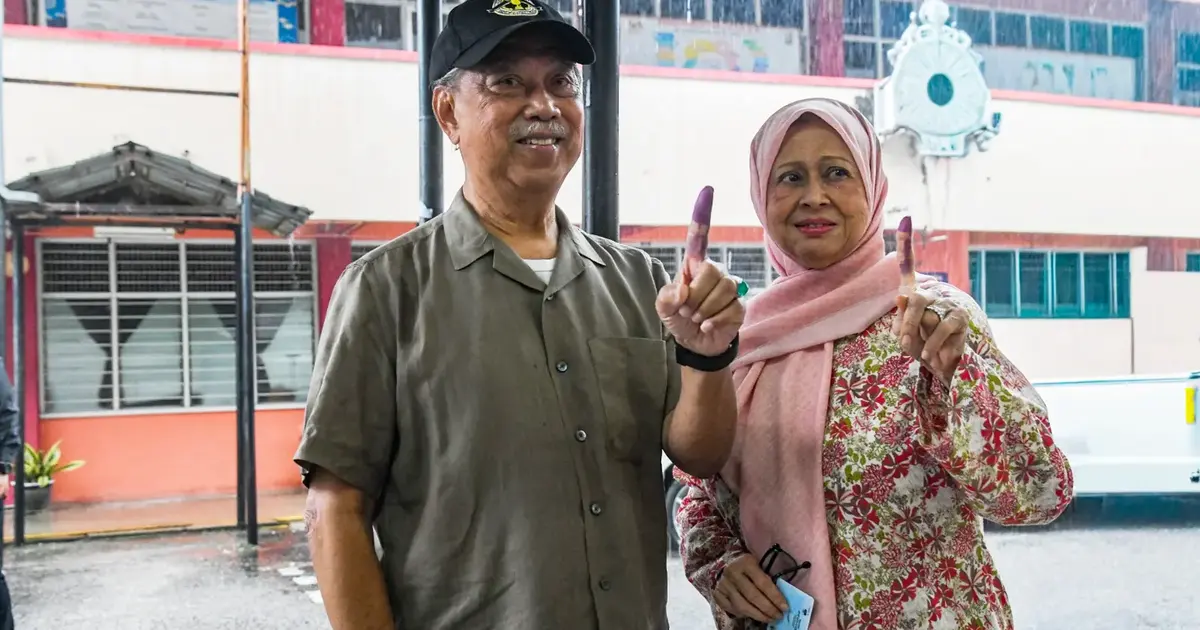
Bersatu president Muhyiddin Yassin has adopted a measured stance regarding the recent departure of Perlis's menteri besar and an executive council member from the party's Supreme Council, suggesting that internal party mechanisms will address the situation. The party leader's apparent calm in the face of these exits reflects either confidence in retaining the state administration or a deliberate effort to minimise public perception of discord within Bersatu's upper echelons at a politically sensitive time.
Muhyiddin indicated that he is still gathering comprehensive information about the circumstances surrounding the resignations before making any formal pronouncements. This measured approach—requesting a complete report before commenting substantively—is typical of party management during moments of potential instability, as it buys time for behind-the-scenes negotiations and prevents statements that might be contradicted by emerging facts. The president's willingness to wait suggests the party believes the issue is manageable and does not pose an immediate threat to its leadership structure or state government.
The resignation of Perlis's menteri besar from the Supreme Council holds particular significance given that state governments form the operational backbone of any ruling coalition. Perlis, though one of Malaysia's smaller states, remains strategically important in the overall political arithmetic of federal-level coalitions. Any indication of strain between state leadership and party headquarters could potentially signal deeper dissatisfaction or signal shifting alliances, particularly if the departing leaders harbour grievances about representation, resource allocation, or decision-making processes within Bersatu.
For Malaysian political observers, this episode underscores the ongoing tensions within Bersatu since its formation. The party, which has served as a critical component in various coalition arrangements since 2020, has frequently grappled with internal cohesion challenges. Leadership departures from party councils—whether framed as resignations or removals—often foreshadow broader shifts in party dynamics or individual aspirations for greater influence or autonomy. The Perlis developments warrant close monitoring, particularly if similar incidents emerge from other state chapters.
The invocation of internal resolution processes suggests Bersatu wishes to avoid public spectacle around the departures. This strategy reflects awareness that media coverage of party infighting can damage credibility with voters and provide ammunition to political rivals. By channelling the matter through internal structures rather than allowing it to become a focal point for public discourse, Muhyiddin appears to be attempting damage control while preserving party unity messaging—a delicate balance that many Malaysian political leaders have struggled to maintain.
Perlis's political landscape has been relatively stable compared to other states, which makes these resignations somewhat unexpected. The state has maintained consistent Bersatu representation in the Dewan Undangan Negeri, and any erosion of cohesion here could ripple outward, particularly if other state leaders interpret the Perlis situation as evidence that dissent is possible without immediate sanction. Conversely, if the party handles these resignations decisively through internal channels, it may reinforce party discipline and discourage similar departures elsewhere.
The timing of these resignations also warrants consideration within the broader context of Malaysia's political calendar and coalition dynamics. Depending on when they occurred, they may reflect reactions to specific policy decisions, resource allocations, or perceived slights in terms of recognition or appointment opportunities. The Bersatu-led administration and its federal partners occasionally face tension between state-level priorities and coalition-level strategies, and such resignations may signal frustration over this inherent conflict.
Muhyiddin's downplaying approach contrasts with more confrontational responses some leaders might adopt. By neither defending the departing officials nor attacking them, he maintains optionality—the door remains open for reconciliation if circumstances change, while also avoiding the appearance of weakness that might invite further challenges to party hierarchy. This diplomatic positioning is common in Malaysian politics, where tomorrow's rival might become next year's coalition partner, and burning bridges is perpetually unwise.
The pending full report will likely determine whether these resignations were voluntary expressions of personal choice or the result of pressure from party leadership. If the former, it suggests dissatisfied leaders found themselves unable to advance their agendas within Bersatu and opted for separation. If the latter, it may indicate Muhyiddin is actively managing potential threats to his authority. Either interpretation carries implications for Bersatu's internal stability and its partners' confidence in the party's organisational robustness.
As Bersatu navigates this episode, stakeholders in the broader coalition will be watching carefully. State menteri besars and their teams represent valuable assets in electoral competition, and their satisfaction with party leadership directly influences grassroots morale and campaign effectiveness. Whether these Perlis departures represent isolated incidents or the first signs of broader discontent within Bersatu's state machinery remains unclear, but Muhyiddin's calm demeanour suggests he believes the situation remains containable through established internal procedures.

