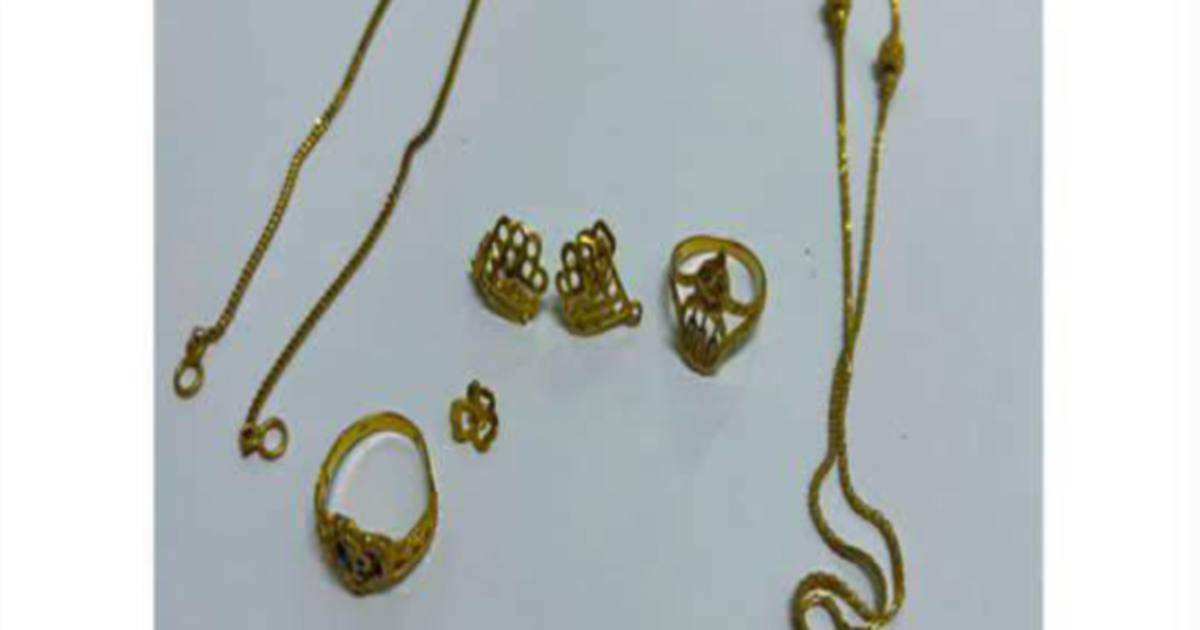
The Ipoh police force has taken three family members into custody following an investigation into an elaborate impersonation scheme that victimised an elderly resident. The suspects—a woman and her two offspring—are accused of misrepresenting themselves as social welfare officials to gain access to the victim's home and subsequently convince her to surrender valuable personal possessions.
The deception targeted a 67-year-old woman who fell prey to the fraudsters' carefully constructed cover story. By falsely claiming to represent government welfare services, the perpetrators exploited the trust that many residents place in official-looking visitors and the authority associated with government agencies. The scheme succeeded in extracting jewellery from the victim, with preliminary estimates placing the value of stolen items at approximately RM8,000.
This particular case highlights a troubling trend in Malaysia and across Southeast Asia where criminals adopt the identities and tactics of legitimate welfare and social services personnel. Such impersonation rackets are particularly effective because they target vulnerable populations including the elderly, who are more inclined to trust individuals presenting themselves as government officials. The psychological approach plays on assumptions of legitimacy that are difficult for unsuspecting citizens to question in the moment.
The modus operandi observed in this instance reflects patterns seen in similar fraud rings operating in urban and semi-urban areas across Malaysia. Perpetrators typically conduct preliminary surveillance of their targets, identifying households where elderly residents live with minimal supervision or protective family oversight. The addition of family members working in coordination suggests a more organised operation rather than an isolated criminal act, indicating potential involvement in a broader network of related schemes.
Law enforcement authorities in Perak have intensified their focus on such organised deception practices following multiple reports from residents, particularly in the Ipoh metropolitan area and surrounding districts. The involvement of a mother and her adult children in collaborative crime underscores the sometimes multi-generational nature of certain criminal enterprises in the region. Family-based criminal units often benefit from established trust networks and coordinated logistics that make them particularly difficult to detect and apprehend.
The arrest follows standard investigative procedures where officers gathered evidence from victim statements, cross-referenced transaction patterns, and monitored suspicious movements in the targeted area. The police's ability to move swiftly from complaint to arrest demonstrates the effectiveness of focused detective work when sufficient community cooperation exists. However, the initial success of the scam before apprehension raises questions about whether earlier warning mechanisms could have prevented the victim's loss.
Advising the public remains a critical component of the police response to such crimes. Residents are repeatedly cautioned that legitimate welfare officers routinely carry official identification and operate according to established protocols that do not typically involve requesting valuable personal items. Government agencies maintain clear guidelines about appropriate professional conduct, and genuine officials will never pressure citizens to surrender jewellery or cash during routine welfare assessments or home visits.
The case also reflects broader concerns about fraud targeting Malaysia's growing elderly population. As average life expectancy increases and more seniors live independently or with limited supervision, they become increasingly attractive targets for sophisticated con artists. The demographic shift presents an emerging security challenge that requires coordinated responses involving law enforcement, community education, and family-based vigilance strategies.
Investigations into such crimes often reveal connections to other deception operations, potentially uncovering larger criminal networks. Authorities will likely pursue additional lines of inquiry to determine whether this family unit has perpetrated similar schemes against other elderly victims in the region. The pattern of crimes committed by organised family groups frequently spans months or even years before detection, with cumulative victimisation figures substantially exceeding initial case counts.
For residents throughout Malaysia, particularly in urban centres like Ipoh where such incidents have been documented, heightened awareness represents the most practical defensive measure. Encouraging elderly family members to verify the credentials of unexpected visitors, preferably by contacting relevant government agencies directly before admitting strangers, provides effective protection. Community neighbourhood watch programmes that specifically address financial fraud against seniors have demonstrated measurable success in reducing victimisation rates in several Malaysian districts.
The Ipoh police continue processing the case through standard legal procedures, with charges expected to be formalised following completion of investigations. The severity of the charges and the apparent coordination demonstrated by the perpetrators suggest that courts may impose substantial sentences if convictions are secured. Such outcomes typically result in custodial sentences and financial restitution orders, though recovery of stolen items is uncommon once distributed through secondary markets.

