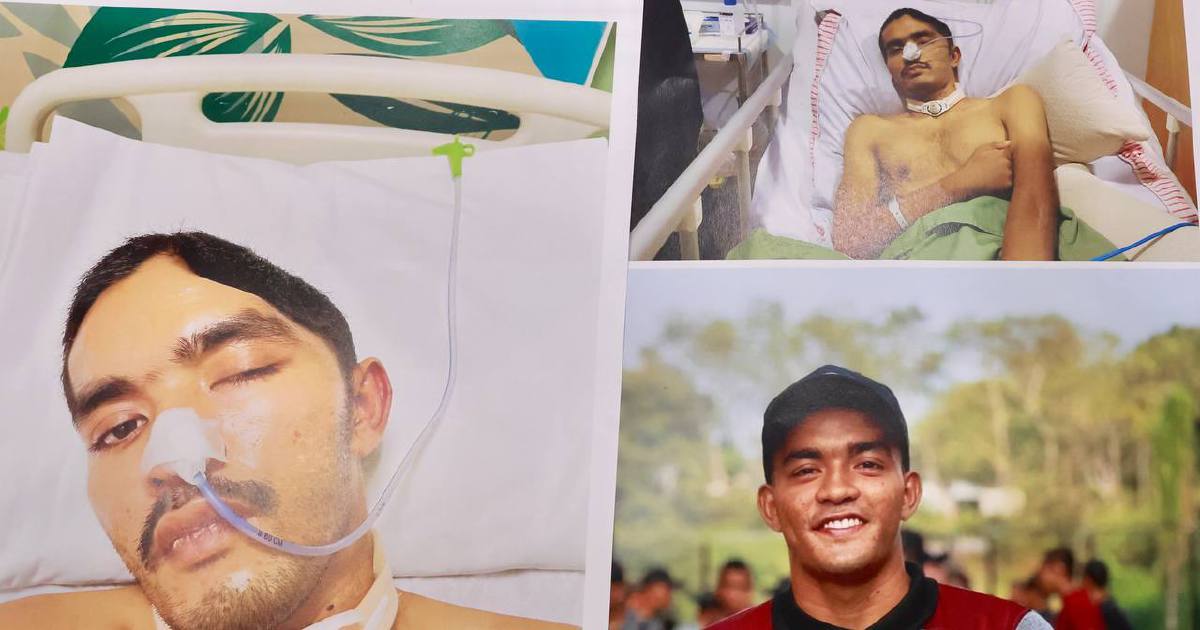
The Malaysian Army announced completion of its internal investigation into a serious injury incident involving a commando at one of its facilities in Johor during March. Following the conclusion of the probe, the military has initiated disciplinary proceedings that include the dismissal of personnel involved in the incident, signalling a swift institutional response to the matter.
The incident, which occurred at a military training establishment in the state, resulted in significant injury to the commando and immediately triggered concern about safety protocols and oversight within military operations. The subsequent investigation by the Army's internal mechanisms sought to establish circumstances surrounding the injury and identify any lapses in procedure or supervision that may have contributed to the incident.
Internal investigations conducted by the armed forces typically examine multiple dimensions of such cases, including adherence to training safety standards, proper execution of operational procedures, and the adequacy of supervision during the period in question. The thoroughness of such probes is crucial given the inherent risks associated with military training activities, where lapses can have severe physical and legal consequences.
The decision to proceed with dismissals indicates that the investigation uncovered substantive breaches of conduct or responsibility. In military contexts, dismissal represents a serious disciplinary sanction usually reserved for significant violations of protocol or dereliction of duty. The timing of these actions suggests the Army moved expeditiously through the investigative and administrative review stages.
For Malaysian readers, the transparency and speed with which the military has handled this case offers some reassurance regarding institutional accountability mechanisms. The armed forces regularly conduct training exercises that carry inherent physical risks, and public confidence in safety management depends on swift investigation and corrective action when incidents occur. The Army's handling of this matter demonstrates an institutional commitment to identifying and addressing systemic weaknesses.
The incident also raises broader questions about training protocols within the Malaysian military establishment. Johor, as a significant operational region for the armed forces, hosts multiple training facilities where personnel undergo rigorous conditioning and tactical instruction. Ensuring that such activities occur within robust safety frameworks remains essential for protecting the service members who undergo these programmes.
From a regional perspective, military professionalism and institutional accountability have become increasingly important considerations across Southeast Asia. As countries in the region strengthen their defence capabilities and modernize their armed forces, maintaining rigorous internal standards and responding decisively to breaches of those standards enhances overall military credibility and institutional legitimacy. The Malaysian Army's approach to this matter aligns with contemporary expectations for transparency and accountability within regional militaries.
The commando who sustained the injury represents a significant human cost of the incident. Serious injuries during military service can have lasting physical and psychological impacts, affecting not only the individual but their families and unit cohesion. The completion of the investigation provides a measure of closure for the injured personnel and their families, who presumably sought clarity on how the incident occurred and what accountability measures would follow.
Disciplinary proceedings within the military typically proceed through established chain-of-command protocols and may involve review at multiple hierarchical levels before final implementation. Personnel facing dismissal retain certain procedural protections, though military law generally affords commanding officers greater discretion in personnel matters than civilian employment relationships. The specifics of charges and the grounds for dismissal remain subject to military confidentiality protocols in most cases.
The broader context of military training accidents across defence forces worldwide underscores the challenges inherent in balancing the physical demands necessary to prepare personnel for operational duties against the imperative to minimize preventable harm. The Malaysian Army, like other professional forces, must continuously refine training methodologies to incorporate lessons learned from such incidents.
Looking forward, the conclusions drawn from this investigation may inform revisions to training protocols, supervisory procedures, or equipment safety standards across the military establishment. Such institutional learning, when properly implemented, helps prevent recurrence of similar incidents and demonstrates an organization's capacity for self-improvement and adaptation.
The completion of this investigation marks a transition from inquiry to remediation, though questions regarding broader systemic improvements remain to be addressed through formal policy channels. The Malaysian Defence Ministry and Army leadership will need to ensure that lessons from this incident are systematically incorporated into future training operations across all military formations.

