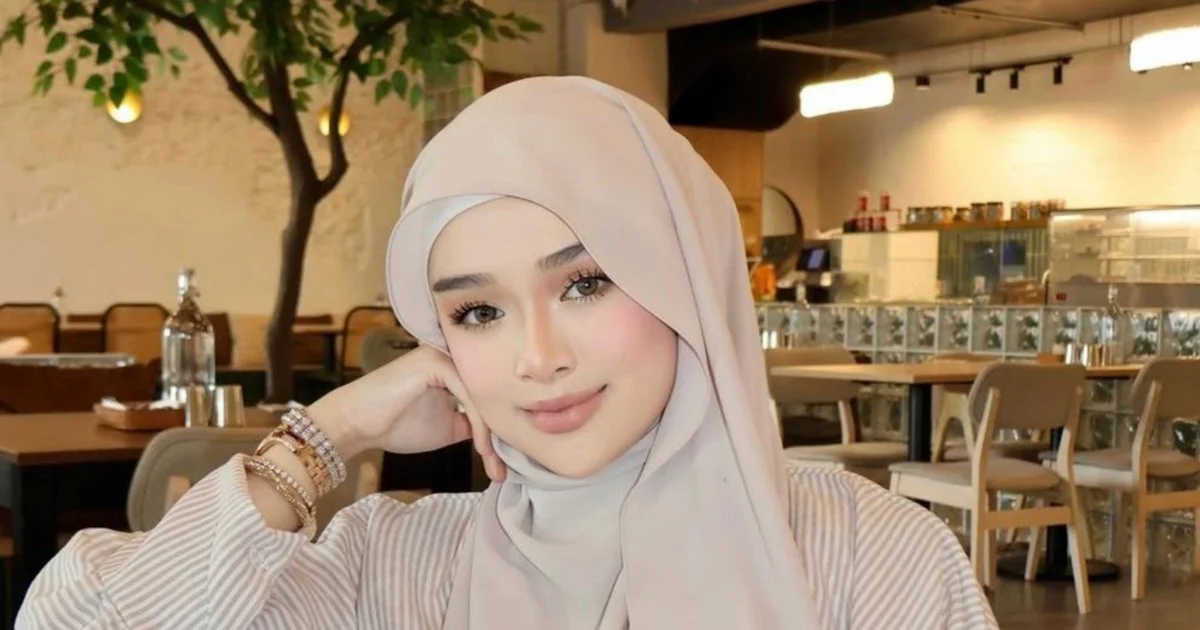
Social media influencer Marissa Dania has issued a public statement firmly denying allegations that she has marginalised her mother, Abby Abadi, while simultaneously elevating her father, Norman Hakim, and stepmother, Memey Suhaiza, within her personal and professional sphere. The clarification comes amid growing speculation across social media platforms regarding the dynamics within the public figure's family relationships, a matter that has captured significant attention among her substantial online following.
The controversy appears rooted in observer interpretations of Marissa Dania's social media activity and public appearances, which have prompted online commentators to speculate about a potential rift or shift in family relationships. Such situations have become increasingly common in the digital age, where every public interaction and omission from content is subject to intense scrutiny and analysis by audiences seeking deeper meaning in the lives of prominent personalities.
Marissa Dania's response emphasises the importance of exercising caution before drawing conclusions about private family matters based on limited public-facing information. She has called upon her audience to refrain from making hasty judgments without possessing complete knowledge of the circumstances surrounding her family relationships. This appeal to restraint reflects a broader challenge faced by contemporary public figures who navigate the tension between maintaining public personas and protecting the privacy of their personal lives.
The situation highlights the particular vulnerabilities faced by influencers and content creators whose income and platform depend significantly on public goodwill and engagement. Family matters, which would ordinarily remain private, frequently become subject to public debate when individuals achieve substantial online prominence. What might constitute normal family dynamics—shifting relationships, changing living arrangements, or evolving priorities—can be interpreted by audiences as conflicts worthy of commentary and speculation.
For Malaysian audiences familiar with local celebrity culture, this incident echoes similar controversies involving other public figures whose family relationships have been dissected by the public. The prevalence of such discussions underscores the peculiar position occupied by influencers in contemporary Malaysian society, where the boundary between public and private increasingly blurs, particularly for younger personalities who have built careers through sharing aspects of their personal lives.
Abby Abadi, herself a figure with some public recognition, has not issued a separate statement addressing the allegations. The absence of commentary from other family members has perhaps contributed to the vacuum that speculation has filled. Such silences, whether deliberate or circumstantial, often fuel further conjecture and interpretation among engaged online communities.
Marissa Dania's statement represents a strategic intervention in a narrative that, left unchecked, might have continued to circulate and evolve across social media platforms. By directly addressing the allegation rather than ignoring it, she has attempted to reset the conversation around her family relationships. Whether such intervention proves effective in stemming further speculation remains to be seen, as online narratives often develop momentum that proves difficult to reverse through single statements.
The incident serves as a reminder of the unique pressures facing digital-age celebrities who operate within ecosystems where audiences feel entitled to commentary on all aspects of their lives. Unlike traditional celebrities who traditionally maintained greater separation between public and private domains, influencers have built their brands partly through transparency and accessibility—a reality that can create vulnerabilities when family dynamics become subject to public interpretation.
For Malaysian viewers and social media users, this situation offers perspective on the distinction between observable behaviour and actual circumstances. The fact that content featuring certain family members appears more frequently than content featuring others can result from numerous factors, including scheduling constraints, personal preferences, geographic distance, professional obligations, or simple coincidence. Yet audiences accustomed to finding narrative meaning in curated content often interpret such patterns as indicative of underlying tensions.
Moving forward, the matter will likely depend on whether Marissa Dania's clarification gains sufficient traction to supplant existing narratives about her family relationships. Her appeal for public restraint positions the situation as one requiring empathy and understanding rather than judgment—a framing that resonates with broader conversations about parasocial relationships and the responsibilities that audiences bear toward public figures whose personal lives they follow closely.
The controversy ultimately reflects broader questions about digital-age celebrity, family privacy, and the extent to which public figures can reasonably expect their personal relationships to remain beyond the scope of audience interpretation. As social media continues to reshape celebrity culture in Malaysia and across Southeast Asia, these tensions between transparency and privacy will likely continue to surface, requiring ongoing negotiation between influential personalities and their audiences.

