Majlis Amanah Rakyat (MARA) announced on Monday that it will undertake a comprehensive review of standard operating procedures governing student outings at its Mara Junior Science Colleges (MRSM) network, following the recent disappearance of two teenagers from one of its premier institutions. The decision comes in the wake of an incident that saw two Form Four students from MRSM Alor Gajah in Melaka go missing on August 11, sparking concern among parents and the public about safety protocols at the residential colleges.
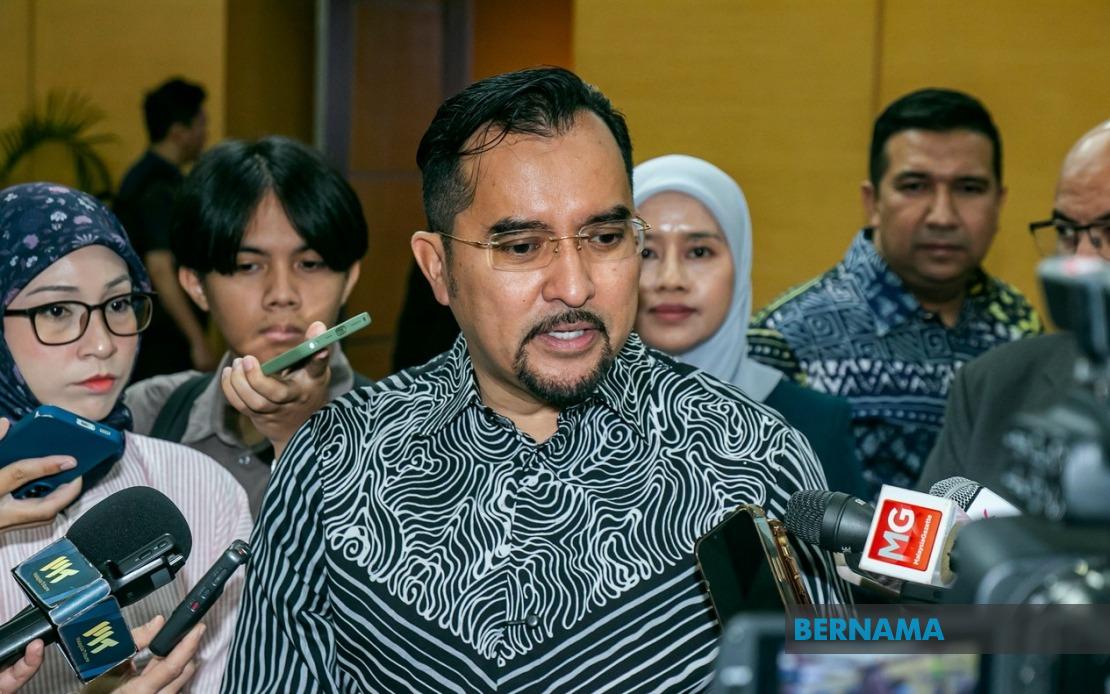
According to Datuk Dr Asyraf Wajdi Dusuki, chairman of MARA, the review represents a measured response designed to strengthen procedures without fundamentally disrupting the educational environment that has made MRSM institutions successful. Speaking to reporters following a pre-departure programme for MARA-sponsored students heading overseas, Asyraf Wajdi characterised the incident as an isolated occurrence that, while serious, should not trigger sweeping restrictions that could undermine the developmental benefits students gain through supervised independence.
The two missing students, both aged 16, disappeared after visiting a health clinic and were discovered four days later in the vicinity of Pasar Seni in central Kuala Lumpur. Upon being found, one of the girls experienced a significant panic attack and required hospitalisation for shock, according to authorities. The incident raised immediate questions about the adequacy of existing safeguards and communication protocols within the MRSM system, particularly regarding student movements outside campus.
Currently, MRSM students are permitted to venture into nearby towns on a limited basis—typically once or twice monthly—under conditions that do not require direct teacher supervision. This autonomy reflects the institution's philosophy of gradually preparing students for adult responsibilities while they pursue their studies in a structured residential setting. MARA leadership views such permissions as integral to the formative experience that MRSM aims to provide, fostering maturity and independence alongside academic excellence.
Ashyraf Wajdi's public statements suggest MARA recognises a tension inherent in managing adolescent development within institutional constraints. Excessive restrictions could stifle the personal growth that justifies the residential college model; conversely, insufficient oversight risks student safety. The chairman's emphasis on allowing the situation to develop without premature policy overhauls indicates institutional confidence that the incident, however troubling, does not reflect systemic failure but rather an exceptional occurrence requiring investigation.
Meanwhile, police involvement in the case remains active and ongoing. MARA confirmed that its representatives were consulted by Alor Gajah police authorities to assist investigative efforts, though specific findings have not yet been disclosed publicly. This police-led inquiry will likely prove crucial in determining the precise circumstances of the disappearance—whether the students' absence was voluntary, whether they encountered difficulties, or what prompted their journey to Kuala Lumpur.
For Malaysian parents and educators, the incident underscores the delicate balance required when overseeing young people in residential settings. MRSM institutions serve as pathways for academically talented students, particularly from lower-income backgrounds, to access premium secondary education. The colleges' success depends partly on providing environments where students develop agency and confidence. However, that autonomy must operate within frameworks that prioritise welfare and enable rapid response to concerning situations.
The forthcoming SOP review will likely examine communication channels between students and guardians, procedures for verifying student whereabouts during permitted outings, protocols for reporting unexplained absences, and coordination mechanisms between the college and local authorities. Enhanced protocols need not necessarily mean stricter confines; they might instead focus on better information systems, clearer accountability structures, and improved mechanisms for early intervention when student behaviour deviates from expected patterns.
This incident also intersects with broader conversations across Southeast Asia regarding duty of care in educational institutions. As regional countries increasingly invest in residential colleges and boarding schools as tools for developing human capital and reducing educational inequality, the challenge of balancing pastoral care with age-appropriate independence remains contested. Each institution must calibrate its approach based on its specific context, student demographics, and the particular risks its location presents.
Moving forward, MARA's approach of reviewing rather than reactively restricting suggests institutional maturity. The organisation appears committed to understanding what occurred before implementing changes, recognising that policies developed in crisis often prove counterproductive. Success will depend on the investigation's thoroughness, MARA's willingness to genuinely incorporate findings into updated procedures, and the broader community's patience as the process unfolds.
The two students' safe recovery, though marked by trauma requiring medical attention, provides at least a foundation for moving forward. Their experience will likely inform how MRSM and similar institutions throughout Malaysia approach student mobility and safety protocols. The review process will test whether MARA can enhance safeguards while preserving the educational philosophy that has established MRSM as a respected pathway for talented young Malaysians seeking to develop into capable, confident adults.

