Malaysia's social cohesion has strengthened considerably, according to fresh findings from the National Unity Index (IPNas) 2025 released at a national unity programme in Arau, Perlis. The comprehensive study documents a unity score of 0.701, classified as moderately high and exceeding benchmarks set under the 12th Malaysia Plan, offering an encouraging assessment of the nation's social fabric during a period of significant change.
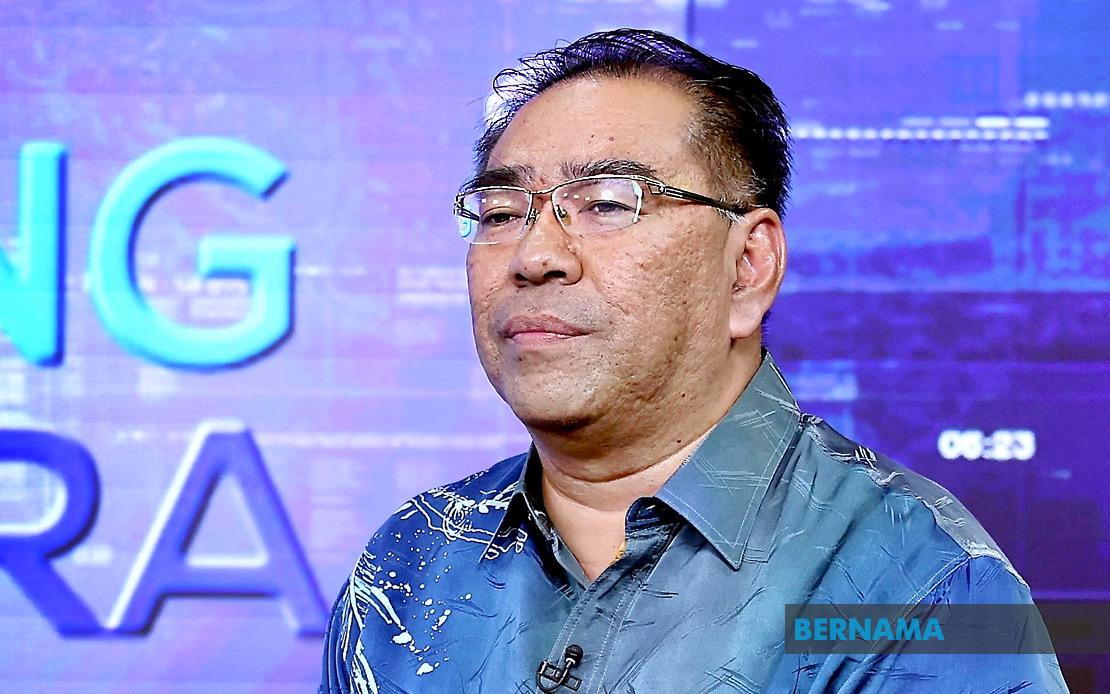
Zulkifli Hashim, director-general of the National Unity and Integration Department (JPNIN), highlighted the research at the closing of the Jelajah Belia Rukun Negara programme held at Universiti Teknologi MARA Perlis. The department, which oversees national unity initiatives across government, has tracked Malaysian cohesion through periodic measurements that demonstrate an upward trajectory over recent years. The 2025 result represents a marked acceleration from the 0.629 score recorded in 2022, itself an improvement on the 0.567 figure from 2018, painting a picture of steady progress in binding together a diverse, multi-ethnic and multi-religious society.
The significance of this improvement extends beyond the raw numbers. Malaysia, as a plural nation comprising Malays, Chinese, Indians and numerous other communities alongside indigenous populations, has long grappled with managing diversity whilst maintaining stability. The ascending trend in the unity index suggests that government messaging around national cohesion and integration is resonating with citizens, and that grassroots efforts to foster a shared sense of belonging are gaining traction. The index serves as a barometer for whether Malaysia's constitutional framework and multicultural policies are translating into lived experience of unity among ordinary people.
However, Zulkifli cautioned against complacency, emphasising that national unity cannot be treated as a permanent achievement. The concept requires active stewardship, continuous reinforcement and commitment from each generation to maintain and strengthen. This generational responsibility reflects the reality that social cohesion is fragile and demands vigilance. The department's framing of unity as an ongoing project rather than a destination underscores the persistent challenges that emerge from economic inequality, regional disparities and historical grievances that periodically surface in Malaysian public discourse.
A particular concern highlighted by the JPNIN chief relates to the digital information ecosystem. Social media platforms have become central to how Malaysians communicate, organise and construct their understanding of national issues. Yet this same technology presents vulnerabilities that can be exploited to fragment society. False information, hate speech, inflammatory content targeting religious or ethnic groups, and deliberate disinformation campaigns represent tangible threats to the social peace that the unity index measures. The ability of divisive content to spread rapidly and reach millions creates conditions where superficial social harmony can mask underlying tensions.
The targeting of university students reflects strategic thinking about where unity must be defended and deepened. Young people are simultaneously the most digitally connected generation and potentially the most susceptible to online radicalisation. They are also tomorrow's leaders, professionals and opinion-formers. By encouraging critical thinking and digital literacy among students, authorities hope to create a generation equipped to navigate information ecosystems responsibly. The call for students to become ambassadors of unity through their own social media use inverts the typical narrative of students as passive consumers of government messaging.
The emphasis on fostering respect and strengthening togetherness through digital platforms acknowledges a shift in how modern societies maintain cohesion. Traditional venues for national unity—ceremonial events, school curricula, religious institutions—remain important but no longer dominate the information landscape. University auditoriums and formal government programmes reach some audiences, but viral social media content reaches far more Malaysians across age groups and education levels. This reality demands that unity advocates develop sophisticated approaches to digital engagement rather than relying solely on offline institution-building.
For Malaysian policymakers and observers of Southeast Asian affairs, the 2025 unity index carries implications beyond internal politics. Malaysia's ability to maintain intercommunal peace has long been viewed as a model—however contested—for managing diversity in the region. Countries confronting similar plural compositions and digital-age challenges look to Malaysia's approaches with interest. A strengthening unity index therefore signals that established frameworks for managing diversity, despite occasional contestation, continue to deliver measurable results in public perceptions of national cohesion.
The 0.701 score, whilst moderately high, also suggests room for further improvement. The gap between current performance and a theoretical maximum indicates that significant portions of the Malaysian population may not yet feel the highest levels of unity or integration. Regional variations, socioeconomic disparities, and community-level divisions likely account for this variance. The index almost certainly masks pockets of tension or alienation that remain despite the overall positive trend. Understanding and addressing these pockets remains essential for deepening rather than merely sustaining national cohesion as Malaysia pursues development objectives and manages demographic change.

