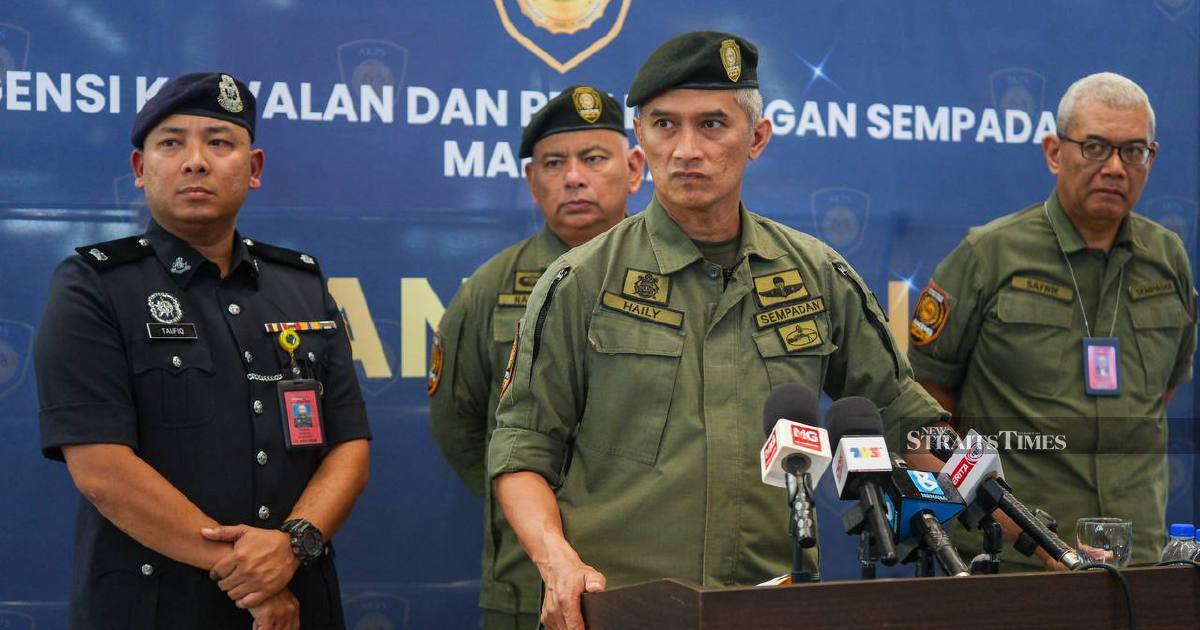
Malaysia's border control authorities have reaffirmed their commitment to established screening protocols in the case of a Malaysia Airlines pilot who subsequently faced arrest by Indonesian authorities on allegations of attempting to bring narcotics into that country. Officials at Sepang have clarified that all mandated procedures were executed according to guidelines when the individual passed through the airport facility.
The Malaysia Custom Brokers Association's statement underscores a critical juncture in Malaysia's approach to airport security, particularly as it relates to luggage screening at international hubs. The incident has raised questions about the effectiveness of existing detection systems, even as authorities insist that personnel conducted their work within prescribed parameters. This distinction between following procedure and successfully intercepting contraband represents a significant vulnerability that regional aviation security experts have begun to examine more closely.
The involvement of artificial intelligence-assisted scanning technology in the baggage screening process adds a layer of complexity to the discussion. These systems, designed to identify suspicious items with greater accuracy than traditional X-ray methods, apparently did not trigger alerts for the luggage in question. This raises important considerations about technological limitations and the degree of reliance placed on automated systems in frontline security operations. The fact that such equipment failed to flag the baggage despite it later proving to contain illicit material suggests potential gaps in the calibration or deployment of these tools.
Sepang Airport, as Malaysia's primary international aviation gateway, processes hundreds of thousands of passengers monthly. The volume alone creates inherent challenges in maintaining consistent vigilance across all screening operations. Personnel working at the facility must balance thoroughness with operational efficiency, a tension that becomes particularly acute during peak travel periods. The pilot's case illustrates how even high-profile, recognizable travellers can pass through checkpoints without incident, suggesting that no category of passenger receives more intensive scrutiny as a matter of course.
The timing of the arrest, which occurred after the individual had already departed Malaysian airspace and entered Indonesian jurisdiction, indicates that the contraband successfully transited Malaysian airport security. This geographic sequence is particularly significant for regional security cooperation. Indonesian authorities subsequently took action, demonstrating that detection occurred at the secondary point rather than at the point of departure, a pattern that complicates Malaysia's security assessments and may indicate blind spots in current screening methodologies.
From a regulatory standpoint, Malaysian authorities' insistence that SOPs were followed suggests that the established procedures themselves may require reassessment. Standard operating procedures are foundational to security operations, yet their adequacy must be regularly evaluated in light of actual outcomes. When contraband passes through a facility where all procedures were correctly executed, the logical conclusion points toward procedural insufficiency rather than individual negligence. This distinction carries important implications for how policymakers approach future security enhancements.
The use of AI-assisted technology represents a substantial investment in modern security infrastructure, yet the apparent failure in this instance raises questions about integration with human oversight. Advanced scanning systems perform optimally when combined with trained personnel capable of interpreting results and making discretionary decisions. The case suggests potential misalignment between technological capability and human decision-making protocols, an issue that extends beyond this single incident to affect the broader reliability of the screening ecosystem.
For Malaysian aviation authorities and customs agencies, the incident presents an opportunity to conduct comprehensive reviews of current practices. Peer agencies throughout Southeast Asia will likely examine their own procedures against this case as a cautionary reference point. The Malaysian Civil Aviation Authority and related agencies operate within a regional framework where security lapses in one jurisdiction can affect confidence in others, creating collaborative pressure to strengthen protocols.
The professional implications for Malaysia Airlines staff are also noteworthy. Pilots occupy a distinctive position within airport environments, often receiving expedited processing due to their operational necessity and assumed trustworthiness. This case underscores the potential risks of allowing occupational status to override security vigilance. Enhanced screening for flight crew members, while operationally inconvenient, may represent an unavoidable necessity given the access and trust afforded to these personnel.
Looking forward, Malaysian authorities face a delicate challenge in maintaining public confidence in airport security while acknowledging that existing systems have demonstrable limitations. The assertion that all procedures were followed, though technically accurate, does not address whether current procedures are adequate to modern smuggling methods and concealment techniques. This gap between procedural compliance and operational effectiveness will likely shape discussions about security investments and protocol refinement in coming months.
Indonesian authorities' successful interdiction highlights the value of coordinated regional security efforts, even when initial detection fails. The eventual discovery of the contraband, though it occurred outside Malaysian territory, still reflects the importance of ongoing vigilance throughout the supply chain. For Malaysian policymakers, the case demonstrates that security responsibility does not end at national borders but extends to monitoring the consequences of any breaches that do occur within them.
Moving forward, enhanced cooperation between Malaysian and Indonesian authorities regarding smuggling patterns and concealment methods could prove valuable for both nations. Information sharing about incidents, detection capabilities, and emerging threats creates an informed baseline for improving screening procedures regionally. The incident, while reflecting poorly on Malaysian border security in one sense, also provides concrete data that both nations can leverage to strengthen collective defences against transnational drug trafficking.

