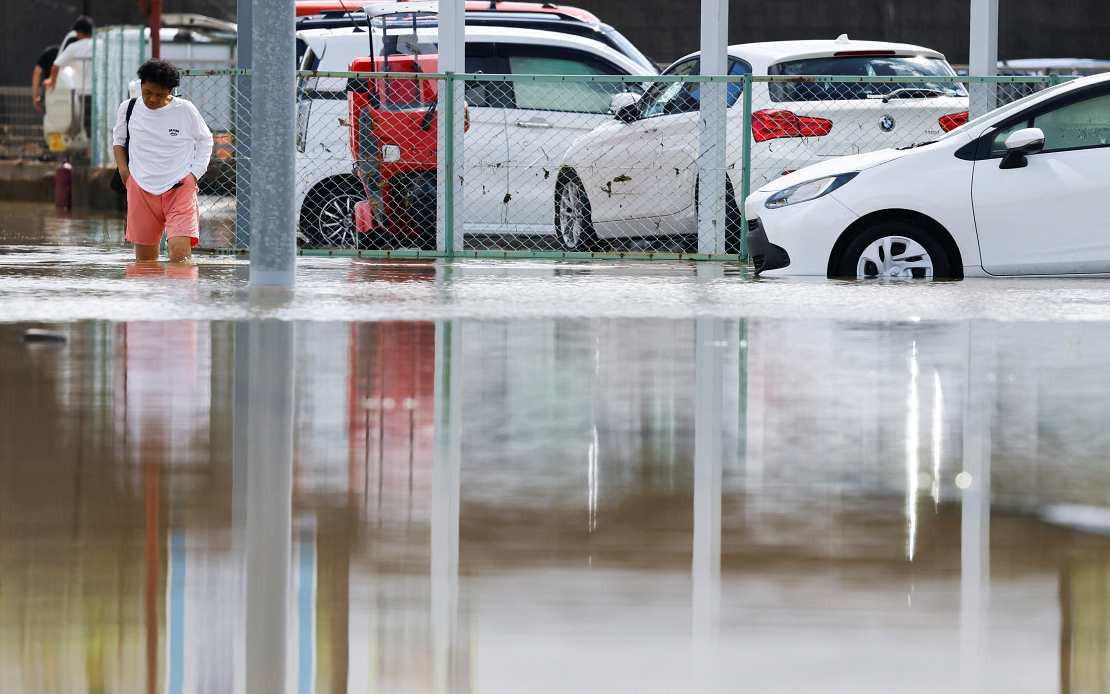
The Malaysian Embassy in Tokyo has issued a formal travel advisory urging Malaysians residing in or visiting Japan to refrain from making non-essential journeys as the country grapples with one of its most severe natural disasters in recent memory. The cautionary directive comes amid unprecedented rainfall that has unleashed a cascade of flooding and significant transportation chaos across Chiba Prefecture and neighbouring areas within the wider Kanto region, affecting millions of residents and travellers alike.
The scale of the disruption has been extraordinary, with road and rail infrastructure sustaining substantial damage that has left the transport network severely compromised. The consequences have rippled across the region, with thousands of passengers finding themselves unexpectedly stranded. Most notably, approximately 7,000 travellers became trapped at Narita International Airport, one of Japan's busiest aviation hubs, after flooding severed the highway and railway connections that normally provide vital access to the facility. This disruption to one of Asia's major international gateways highlights the severity of the weather event and its far-reaching implications for regional connectivity.
According to reports from Kyodo News, the toll from the relentless downpour has been tragic, with at least eight fatalities recorded across eastern Japan. The Japan Meteorological Agency responded to the crisis by issuing its most severe weather alert—Level 5 rain warning—for more than one-third of all municipalities throughout Chiba Prefecture in the vicinity of Tokyo. Such designations represent the highest tier of weather warnings in Japan's alert system and signal an imminent and grave threat to public safety. The breadth of this warning across such a significant portion of the prefecture underscores the meteorological catastrophe unfolding across the region.
The human cost of the disaster has extended beyond casualties, with evacuation orders affecting an enormous population at one point. More than 400,000 residents received orders to leave their homes and seek higher ground or designated safe shelters, creating a massive displacement crisis and straining emergency response infrastructure. These evacuation orders represent not merely precautionary measures but urgent directives reflecting genuine peril to communities in flood-prone and low-lying zones. The scale of evacuations demonstrates how widespread the danger from waterlogged conditions and rising waters has become across the affected territories.
For Malaysians caught within this crisis, the embassy's guidance emphasizes practical safety measures grounded in situational awareness. The advisory specifically recommends that Malaysian nationals avoid venturing into flooded areas or positioning themselves in topographical depressions where water accumulates, as such locations present acute risks of drowning or being swept away by powerful currents. Beyond physical avoidance, the embassy counsels citizens to exercise heightened vigilance in their daily activities and to maintain continuous monitoring of environmental conditions as they unfold. Importantly, Malaysians are instructed to remain alert to official transport updates circulated by transportation authorities and to comply promptly with evacuation notices and emergency directives issued by Japanese government agencies.
To ensure Malaysians remain informed about evolving weather conditions, the embassy has directed citizens to consult the Japan Meteorological Agency for authoritative and current updates, forecasts, and weather-related advisories. The JMA's comprehensive English-language website at www.jma.go.jp/jma/indexe.html provides continuously updated information that citizens can access to gauge whether conditions in their specific locality remain safe for travel or essential activities. This resource proves invaluable for residents and visitors seeking reliable meteorological data during crisis periods when misinformation and outdated information can proliferate through informal channels.
The embassy has established multiple communication channels through which Malaysian nationals can seek assistance or report emergencies. During standard office hours, citizens may reach the Embassy of Malaysia in Tokyo at +81-3-3476-3840. For urgent situations occurring beyond business hours, an emergency hotline is available at +81-70-1471-9756. Additionally, the embassy can be contacted via electronic mail at either [email protected] or [email protected], providing alternative mechanisms for Malaysians to obtain consular support when immediate telephone contact proves impractical or when detailed written communication is preferred.
This advisory reflects broader patterns of climate-related weather extremes increasingly affecting East Asia, including Japan. The unprecedented nature of these rainfall events suggests shifting climatic patterns that may warrant long-term strategic consideration by regional governments and international organizations regarding disaster preparedness, infrastructure resilience, and emergency response coordination. For Malaysian travellers and expatriates, such events serve as reminders of the importance of maintaining adequate travel insurance, staying registered with embassy services, and maintaining awareness of local emergency protocols in host countries.
The flooding crisis in Chiba also carries implications for supply chains and economic activity that extend throughout the region. As a major transportation hub and industrial zone, disruptions in Chiba ripple through regional commerce and manufacturing networks. Malaysian businesses operating in or trading with Japanese partners may experience logistical complications, delayed shipments, or supply chain interruptions stemming from the transport network damage. Companies should monitor developments closely and consider contingency planning for operations dependent on Japanese transportation infrastructure.
For Malaysians planning travel to Japan in the coming weeks or months, this event underscores the importance of consulting weather forecasts, purchasing comprehensive travel insurance covering weather-related disruptions, and building flexibility into itineraries. While Japan's infrastructure and emergency management systems are world-class, natural disasters remain unpredictable and can disrupt even the most carefully planned journeys. Travellers are encouraged to register their travel plans with the Malaysian Embassy and to maintain contact with their mission throughout their stay in Japan.

